• HOME
  • FEATURE ARTICLE
  • SPOTLIGHT ARTICLE
  • CATEGORIES
    • MEDSPA
    • SKINCARE
    • PLASTIC SURGERY
    • HEALTH & WELLNESS
    • BEAUTY
    • CHIROPRACTIC
    • EDITIONS
  • EDITIONS
    • EDITIONS
8 Minutes Read

Unlock the Magic of Healthy Skincare Routine Today

Imagine waking up to skin that feels truly refreshed—soft, resilient, and comfortable in its own radiance. Countless people struggle to find a healthy skincare routine that actually makes a difference. But what if the daily care you choose not only improved your skin’s present glow, but also offered real, evidence-driven protection for the future? In this feature, we guide you through the evolving world of care routines: blending expert advice, cosmetic dermatology, and consumer insights so you can confidently craft a regimen that lasts.

Discovering the Power of a Healthy Skincare Routine

A healthy skincare routine forms the backbone of radiant, resilient skin, benefiting individuals of every age and background. Board-certified dermatologists stress that effective skin care is much more than a luxury—it is an essential practice for overall well-being. From everyday cleansing to advanced cosmetic dermatology, the right care routine addresses daily stressors such as environmental toxins, UV exposure, and even the natural aging process. Integrating expert recommendations helps bridge the gap between medical advances and real-world habits, guiding you toward skin that looks and feels its best.

Understanding your personal skin type and specific concerns—whether dry skin, acne, sensitivity, or aging skin—also refines your care routine. Many consumers overlook how tailored routines can sweep away dead skin cells, support hydration, and target issues like pigmentation or fine lines. By adopting a science-led, individualized approach, you protect your skin from common pitfalls and lay the groundwork for long-term effectiveness. Dermatology practices, including med spas and aesthetic centers in locations like Newport News or Williamsburg, emphasize that professional insights paired with daily commitment yield results that over-the-counter products alone rarely provide.

  • Why a healthy skincare routine is foundational for lasting radiance

  • How a board-certified approach can elevate your everyday care routine

  • Bridging cosmetic dermatology best practices with daily habits

What You'll Learn about Achieving a Healthy Skincare Routine

As you navigate the crowded world of serums, cleansers, and moisturizers, it’s easy to feel overwhelmed. This guide breaks down the crucial, evidence-backed steps you’ll need for a healthy skincare routine that matches your skin’s individuality. Expert advice from certified dermatologists will give you clarity on which products deserve a spot in your daily routine—and which ones may do more harm than good. We’ll spotlight common mistakes, debunk misleading trends (like the viral 4-2-4 rule), and explain how modern cosmetic dermatology reaches beyond mere aesthetics to deliver healthier outcomes.

You’ll also learn how consistency, ingredient knowledge, and smart product layering work together to prevent common skin concerns, from irritation and breakouts to premature aging and even skin cancer risks. By understanding both the science and the everyday realities of skin care, you gain the confidence to choose what’s best for your body care routine now and over the long term.

  • Evidence-based steps for building a personalized healthy skincare routine

  • Expert advice from certified dermatologists

  • Common pitfalls and popular myths debunked by cosmetic dermatology professionals

  • How the right care routine prevents common skin concerns

Building the Perfect Healthy Skincare Routine: Essential Steps and Science

Morning versus Night: Adapting Your Skincare Routine for Results

The science behind a successful healthy skincare routine often hinges on differentiating between morning and nighttime care. Board-certified dermatologists universally agree that certain steps—like gentle cleansing and moisturizing—are foundational both day and night. However, the active ingredients and products you use should be tailored to the time of day for maximum results. For instance, SPF and antioxidants (such as vitamin C serums) in the morning defend against sun damage and environmental stressors, while retinoids and richer moisturizers at night support the skin’s natural repair cycles.

The practice of “layering” your skincare products, starting from the thinnest (such as toners and serums) and moving to the thickest (moisturizers and occlusives), allows each component to deliver its targeted benefits. It’s important to recognize that overloading your routine with actives, or mismatching steps, can cause more harm than good. Respecting your skin type, whether oily, combination, or dry, means adjusting product weights and formulations so that hydration is never compromised. Cosmetic dermatology experts remind us: thoughtful selection, consistent application, and strategic timing dramatically increase the effectiveness of your care routine.

  • Core steps shared by board-certified dermatologists

  • The science behind layering: cleansers, serums, moisturizers, SPF

  • Key differences in day and night care routine rituals

Ingredients to Include—and Avoid—in Your Healthy Skincare Routine

Ingredient selection can make or break your skincare routine. Board-certified dermatologists and cosmetic dermatology experts strongly caution against combining certain strong actives in one sitting—for example, pairing vitamin C with retinoids or exfoliating acids can lead to irritation and diminished results. Instead, they recommend introducing powerful serums at different times (e. g. , antioxidants by day, retinoids by night) to harness their full potential without risking your moisture barrier.

Popular and emerging ingredients increasingly trend toward multifunctional benefits. Hydrators like hyaluronic acid and glycerin, barrier-strengtheners such as ceramides, and tried-and-true actives like niacinamide, all support most skin types. Meanwhile, ingredient innovations—like peptides for skin quality, or fermented botanicals from K-beauty regimens—offer new possibilities but should be introduced gradually. Above all, the evidence tells us: listen to how your skin responds and be wary of harsh scrubs, heavy fragrances, and frequent product changes, especially for dry or reactive skin.

  • Conflicting ingredients: what two serums should never mix?

  • Popular cosmetic dermatology actives for safe, healthy skin

  • Emerging ingredient innovations in modern skincare routines

"A healthy skincare routine doesn’t have to be complicated, but it should be consistent and evidence-driven." — Board Certified Dermatologists

Tables: Comparing Skincare Routine Strategies

Routine Element

Recommended Practice

Dermatology Perspective

Cleansing

Use gentle, pH-balanced cleansers morning and night

Avoid harsh scrubs to protect skin’s moisture barrier

Serums

Vitamin C (AM), Retinoids (PM), Hydrating agents

Personalize actives for your skin’s needs

Moisturizing

Lightweight in AM, richer hydrating at PM

Essential for both oily and dry skin types

Sun Protection

SPF 30+ every morning, reapply as necessary

Prevents early aging and reduces skin cancer risk

For those who learn best visually, witness an evidence-based healthy skincare routine in action. In this walkthrough, a certified dermatology expert demonstrates gentle cleansing, strategic serum application, effective moisturizing, and proper SPF usage. Notice the attention to technique: gentle upward strokes, light tapping motions for serums, and careful layering to maximize absorption. Viewers will see how easy it is to adapt each step to their own skin type, ensuring that the texture and order of products fit into any daily routine. Thoughtful, friendly instruction brings clinical knowledge straight to the comfort of your home, underlining the importance of professional guidance and accessible self-care.

Watch a certified dermatology expert walk through an evidence-based routine below:

Demystifying Healthy Skincare Routine Myths: Evidence from Cosmetic Dermatology

Viral trends and social media tips can quickly spiral into confusion, making it hard to separate fact from fiction in your skincare routine. One common misconception is that more steps—or stronger products—always lead to better results. In practice, the opposite may be true: excessive layering or frequent product switching can destabilize your skin and lead to irritation, breakouts, or increased sensitivity. The best guidance from cosmetic dermatology? Start simple, be consistent, and let evidence, not fads, direct your choices.

Another persistent myth is the notion that complex routines outperform streamlined ones rooted in dermatological science. Professional insight dismisses strict adherence to viral routines, like the 4-2-4 method, if they don’t fit your skin type or goals. Certified dermatologists urge consumers to ask real questions, tailor routines carefully, and avoid using new actives all at once. Ultimately, a healthy skincare routine serves as prevention: actively protecting against skin cancer risks, premature aging, and recurring concerns—when built on sound, customizable practices.

  • Is more always better in a skincare routine?

  • Fact versus fiction: 4-2-4 rule and other viral trends

  • What certified dermatologists want every consumer to know

"Properly customized skincare routines prevent many issues before they appear." — Certified Dermatology Expert

Lists: 5 Must-Know Facts for a Healthy Skincare Routine

  1. Always start simple—focus on consistency before complexity.

  2. Sun protection is non-negotiable in every care routine.

  3. Adapt your products as the seasons—and your skin—change.

  4. Consult board-certified dermatologists for personalized guidance.

  5. Monitor for reactions when introducing new actives into your skincare routine.

People Also Ask: Expert Answers on Healthy Skincare Routine Questions

What is the healthiest skin care routine?

  • A healthy skincare routine is typically built on gentle cleansing, targeted serums, diligent moisturizing, and daily SPF as recommended by board-certified dermatologists. Consistency and personalization are key to protecting skin from common concerns and supporting long-lasting skin quality.

What is the 4 2 4 rule in skincare?

  • In skincare routine circles, the 4-2-4 rule refers to timing: 4 minutes cleansing with oil, 2 minutes with a foam cleanser, 4 minutes rinsing. While this K-beauty-inspired routine can suit some, certified dermatologists recommend adapting any regimen to match your skin type and observe actual results, rather than following trends blindly.

Which two serums cannot be used together?

  • Mixing strong actives like Vitamin C and retinoids or exfoliating acids is discouraged in a single routine. Cosmetic dermatology authorities stress checking ingredient compatibility—especially for sensitive, dry skin or those seeking to avoid irritation—by introducing actives at different times of day.

How do Koreans keep their skin so clear?

  • Korean skincare routines emphasize gentle, multi-step layering, regular exfoliation, diligent SPF use, and a prevention-first approach to cosmetic dermatology. This proactive, customized methodology explains their global reputation for healthy, clear skin and effective skincare routines.

FAQs on Crafting Your Personalized Healthy Skincare Routine

  • How often should you change your skincare routine?
    Many certified dermatologists suggest evaluating your healthy skincare routine with the changing seasons or when new skin concerns arise. Abrupt or frequent changes are rarely beneficial—consistency helps your skin barrier stay resilient, while gradual updates allow you to monitor results and avoid unexpected reactions.

  • What is the difference between cosmetic dermatology and traditional routines?
    Cosmetic dermatology leverages advanced technology and research to address deeper skin issues (like aging skin, pigmentation, and skin cancer prevention). Traditional routines often emphasize only surface-level cleansing and hydration. Both are valuable, but expert guidance ensures your routine adapts with proven, safe methods.

  • Can a board-certified specialist design my personal care routine?
    Absolutely. Certified dermatologists offer skin evaluations, recommend products tailored to your skin type and condition, and update your daily routine as lifestyle or body care needs change. They serve as a vital resource for building truly effective, evidence-based routines.

Key Takeaways for Long-Term Skincare Routine Success

  • A healthy skincare routine delivers both protective and transformative results when built with industry best practices, evidence, and certified dermatology input.

  • Consistency, personalization, and sun protection are universal recommendations.

  • Seek professional advice for persistent concerns or before major product shifts.

Ready to Begin Your Healthy Skincare Routine Journey? Download Our Step-by-Step Guide Now

Begin transforming your skincare routine today—access our free, expert-based step-by-step guide packed with real-world dermatology wisdom and actionable strategies for lasting radiance. Download our Healthy Skincare Routine Guide and bring the science of care routines to your daily ritual now!

EDITIONS

1 Views

0 Comments

Write A Comment

*
*
Please complete the captcha to submit your comment.
Related Posts All Posts
10.02.2026

Amanda Hill on Delivering Personalized Care in Medical Aesthetics

Amanda Hill’s Approach to Personalized Treatment Plans"We're locally owned and operated. I'm the owner and the injector, and I do really advanced procedures for filler and Botox. My business model is to make it easy for people to get aesthetic services and to make it a pleasant experience. I really care about my patients and their results — I care about who they are as people. Honestly, they're like friends to me. " — Amanda Hill, owner and injector at The Look Medical AestheticsAmanda Hill's approach is deeply rooted in community and personal connection. At The Look Medical Aesthetics, the focus is not just on performing treatments, but on building lasting relationships. Amanda personally administers advanced injectable treatments like dermal fillers and Botox, using her expertise to tailor each procedure for optimal, natural outcomes. She underscores that treatment plans are not rushed or impersonal — instead, they evolve collaboratively, always respecting patient goals and comfort.The clinic’s family-driven model, with Amanda’s husband supporting day-to-day operations and a long-standing collaboration with a local physician, reinforces trust and reliability. By prioritizing patient experience alongside medical precision, Amanda ensures that personalized medical aesthetics care goes beyond mere procedures to holistic patient well-being.How Personalized Medical Aesthetics Care Enhances Patient ConfidenceBuilding Trust Through Local, Friendly ServiceFor many, feeling comfortable in the aesthetic treatment environment is as important as the treatments themselves. Amanda Hill emphasizes the value of a friendly, locally owned clinic atmosphere where patients feel known and respected. This approachable setting enhances communication, enabling more honest discussions about expectations and concerns. Trust built this way results in higher satisfaction and loyalty.At The Look Medical Aesthetics, patients are treated like friends — a sentiment Amanda openly shares. This community-focused care ensures patients return not only for repeat treatments but also for ongoing advice about skin health. Such engagement exemplifies how personalized medical aesthetics care nurtures both confidence and enduring outcomes.Achieving Natural-Looking Results with Dermal Fillers and BotoxNatural results remain paramount in Amanda Hill’s practice. By leveraging her advanced skills in injectable techniques, she addresses common signs of aging such as wrinkles, volume loss, and skin laxity without an artificial appearance. Dermal fillers and Botox are administered with precision to subtly enhance features, restoring a youthful, refreshed look while maintaining individual facial expressions.This nuanced approach resonates with patients seeking improvement but wary of drastic changes. The gentle enhancement philosophy supports self-esteem by allowing patients to look like the best versions of themselves rather than a “worked-on” version. It is this balance that defines successful personalized medical aesthetics care.Comparing Injectables and Surgery in Medical AestheticsRisks and Benefits of Surgery Versus InjectablesPatients often face the choice between surgical procedures and non-surgical injectables for facial rejuvenation. Amanda Hill explains the important distinctions, noting that surgery involves greater risks such as permanent scarring, disfigurement, and irreversible outcomes. Surgical recovery times and costs are typically higher, making it a more intimidating option for many.In contrast, injectables like Botox and dermal fillers provide safer, reversible alternatives. Treatments are minimally invasive, carried out over multiple sessions to gradually improve appearance without dramatic surgical risks. This strategy allows ongoing adjustment to meet patient preferences and offers flexibility unseen in permanent surgery.Cost-Effective and Reversible Solutions with Injectables"Surgery carries a much greater risk of permanent complications — scar tissue, disfigurement, new problems — and it's not reversible. What I love about injectables is that we can get there with a few different treatments over time. On average, people spend about $2,000 a year, and we can get them to a place where they don't need plastic surgery. They look better and feel better, without all the risks and the cost of surgery. " — Amanda Hill, of The Look Medical AestheticsAmanda’s business model offers a cost-friendly path to aesthetic improvement. Patients can typically achieve and maintain their desired results with manageable annual investment, avoiding the steep costs of surgical alternatives. The reversibility of injectables adds peace of mind, allowing treatments to evolve alongside changing needs. The combination of affordability, safety, and efficacy makes injectables a cornerstone of personalized medical aesthetics care.Incorporating Advanced Procedures in Personalized Treatment PlansDermal Fillers and Botox: Techniques and BenefitsAt the core of Amanda Hill’s clinical offerings are expertly applied dermal fillers and Botox. Dermal fillers restore facial volume by replenishing hyaluronic acid, smoothing wrinkles, and contouring key areas such as cheeks, lips, and jawline. Botox works by relaxing muscle contractions to diminish fine lines and dynamic wrinkles primarily located on the forehead and around the eyes.These treatments are performed in a clinical environment featuring meticulous hygiene and modern medical equipment, ensuring patient safety and precision. Each injection is tailored for individual anatomy and aesthetic goals, reinforcing Amanda’s commitment to personalized service. When combined, Botox and fillers provide comprehensive facial rejuvenation with natural, youthful results that enhance patient confidence.Complementary Treatments: Laser Treatment, Chemical Peels, and Skin CareBeyond injectables, The Look Medical Aesthetics offers complementary therapies such as laser treatments and chemical peels. Laser therapy targets pigmentation, sun damage, and acne scars, stimulating collagen for skin rejuvenation. Chemical peels exfoliate the skin, improving texture and tone for a refreshed appearance.These modalities are integrated into personalized treatment plans to address specific skin concerns, enhancing overall results and supporting long-term skin health. Amanda Hill emphasizes the importance of combining advanced topical skincare and clinical procedures, ensuring each patient's regimen supports their unique skin type and aesthetic goals.Creating a Pleasant and Easy Patient ExperiencePersonalized Consultations and Collaborative CareEvery patient journey at The Look Medical Aesthetics begins with a thoughtful consultation aimed at understanding personal goals and skin needs. Amanda Hill conducts these sessions with warmth and care, listening intently and educating patients on treatment options. This collaborative approach empowers patients to make informed decisions and customize plans accordingly.The involvement of a local, experienced collaborating physician adds an extra layer of safety and professionalism. Amanda believes that thorough communication and transparent collaboration ensure the highest level of personalized medical aesthetics care, making treatment seamless and reassuring.Family-Run Business Model Enhancing Patient ComfortAmanda Hill’s family-run setup at The Look Medical Aesthetics fosters an intimate, welcoming environment where patients feel at home. With her husband actively supporting operations, the team dynamics contribute to a relaxed atmosphere that puts patients at ease. This family-oriented model reflects a genuine commitment not just to business success, but to meaningful patient relationships.The resulting patient comfort translates into trust, longer-term engagement, and ultimately better treatment outcomes. Amanda’s statement, "I really care about my patients and their results — honestly, they're like friends to me,” underlines the heartfelt approach that defines the clinic’s personalized medical aesthetics care.Frequently Asked Questions About Medical AestheticsWhat Does Medical Aesthetics Include?Medical aesthetics includes a range of non-surgical cosmetic treatments such as Botox, dermal fillers, laser treatments, chemical peels, and skin care therapies designed to enhance appearance and boost confidence.How to Become a Certified Medical Aesthetician?Becoming a certified medical aesthetician typically requires specialized training and certification in medical-grade cosmetic procedures, often involving courses in skin anatomy, laser treatments, and injectable techniques.What Is the Most Popular Aesthetic Treatment?Botox and dermal fillers remain among the most popular aesthetic treatments due to their effectiveness in reducing wrinkles and restoring youthful volume with minimal downtime.What Is the Difference Between an Aesthetician and a Medical Aesthetician?An aesthetician typically provides basic skin care treatments, while a medical aesthetician is trained to perform advanced procedures such as injectables and laser treatments under medical supervision.Key Takeaways on Personalized Medical Aesthetics CarePersonalized medical aesthetics care focuses on tailored treatment plans that prioritize patient comfort and natural results.Injectables like Botox and dermal fillers offer a safer, reversible alternative to surgery with fewer risks.A friendly, locally owned clinic environment enhances trust and patient satisfaction.Advanced procedures combined with personalized consultations lead to optimal aesthetic outcomes.Treatment TypeBenefitsTypical Use CasesBotoxReduces wrinkles, quick procedureForehead lines, crow’s feetDermal FillersRestores volume, natural lookCheeks, lips, jawline contouringLaser TreatmentSkin rejuvenation, pigmentation correctionSun damage, acne scarsChemical PeelsExfoliates skin, improves textureUneven skin tone, fine linesContact The Look Medical Aesthetics for Personalized CareExperience personalized medical aesthetics care with Amanda Hill and her expert team. Call (317) 249-0805 today to schedule your consultation and start your journey to natural, confident beauty.ConclusionChoose personalized medical aesthetics care for safe, natural results tailored just for you — connect with Amanda Hill to begin your confident aesthetic transformation today.Sourceshttps://advanceddermalhealth.com/personalized-medica...https://allaboutmeaz.comhttps://harmonymedicalaesthetics.comhttps://www.aestheticmasterinfusions.com/how-medic...https://globalhealthcaremagazine.com/article/patient...https://charlottemedicalaesthetics.com

09.25.2026

Trends in Non-Surgical Treatments: What Healthcare Professionals Recommend

In today’s healthcare landscape, non-surgical treatment trends are rapidly evolving, providing patients effective and less invasive options for recovery and aesthetic improvement. Imagine walking into a clinic where advanced technology meets compassionate, multilingual care designed specifically for personal injury recovery and wellness. This transformation reflects a greater shift in medicine, from traditional surgical interventions to innovative therapies that reduce downtime and minimize risks. In South Broad Ripple, Indianapolis, clinics like Pynkerton Chiropractic Group are pioneering this movement, offering cutting-edge non-invasive treatments tailored to diverse community needs.Understanding Non-Surgical Treatment Trends: An OverviewThe rise of non-surgical treatment trends addresses the growing patient demand for alternatives that sidestep the risks and extended recovery typical of surgeries. These treatments leverage advanced techniques to manage pain, enhance mobility, and improve aesthetic appearance without incisions or prolonged hospital stays. For example, nonsurgical spinal decompression therapy offers targeted relief for those suffering from herniated discs, sciatica, and chronic back pain by gently stretching the spine and alleviating pressure on nerves. Complementing these therapies, extracorporeal shockwave therapy stimulates tissue repair and reduces inflammation in musculoskeletal injuries.Such innovations are not only less invasive but also accessible to a broader patient base due to lower costs and reduced recovery times. Dion Newton, of Pynkerton Chiropractic Group, highlights that “We are a multilingual clinic located in South Broad Ripple serving the Indianapolis community. We specialize in personal injury and self-pay care, offering modern therapies like non-surgical spinal decompression and shockwave therapy that help people recover without surgery. ” This combination of clinical expertise and community focus underscores the increasing relevance of these non-surgical trends within everyday healthcare.Latest Trends in Non-Surgical Treatments Versus Surgical Cosmetic ProceduresNonsurgical Spinal Decompression TherapyNonsurgical spinal decompression therapy has emerged as a favorable alternative for patients with back pain related to disc herniations, sciatica, or nerve compression. This therapy utilizes a specialized decompression table that gently stretches the spine, creating negative pressure within the spinal discs. This negative pressure helps retract herniated discs, promotes nutrient exchange, and encourages healing without the need for invasive surgery or long hospital stays.As Dion Newton explains, “Our clinic offers nonsurgical spinal decompression therapy that effectively reduces chronic spinal pain and enhances mobility, enabling patients to avoid surgery and its associated risks. ” This form of therapy is especially valuable for those seeking rapid recovery and minimal disruption to their daily activities, with many experiencing significant improvements after a few treatment sessions.Extracorporeal Shockwave TherapyExtracorporeal shockwave therapy (ESWT) is gaining popularity as a revolutionary treatment for soft tissue injuries and chronic pain conditions. This technology delivers focused acoustic waves to the targeted area, which stimulate blood flow, reduce inflammation, and activate tissue regeneration processes. ESWT is commonly used for tendonitis, plantar fasciitis, and muscle injuries, offering a non-invasive option with minimal discomfort.According to Dion Newton, “Extracorporeal shockwave therapy allows us to aid the body's natural healing mechanisms without the need for surgery or medication, providing durable pain relief and improved function. ” Patients benefit from fewer side effects and a quicker return to normal activities, positioning ESWT as a key player in modern non-surgical treatment trends.Aesthetic Treatment Innovations: Hyaluronic Acid, Botulinum Toxin, and Dermal FillersHyaluronic Acid in Non-Surgical Treatment TrendsIn the realm of aesthetic enhancements, hyaluronic acid stands out as a versatile and natural substance used in dermal fillers that replenish volume and smooth wrinkles. These minimally invasive injections attract and retain moisture, improving skin texture and elasticity. Unlike surgical facelifts, treatments with hyaluronic acid require little to no downtime and can be completed during a brief office visit.Patients seeking subtle enhancements often choose hyaluronic acid treatments to address fine lines and volume loss without the risks associated with surgery. This trend reflects a shift towards personalized, low-risk aesthetic procedures that emphasize natural results and gradual improvements.Botulinum Toxin and Toxin InjectionsBotulinum toxin injections remain among the most popular non-surgical cosmetic procedures worldwide, expertly reducing dynamic wrinkles and preventing their formation. These treatments relax specific facial muscles, creating a smoother and more youthful appearance. Botox and similar toxin injections are also expanding into therapeutic uses, such as migraine relief and muscle spasticity management.The popularity of botulinum toxin injections reflects patients’ desire for quick, effective results paired with minimal downtime, reinforcing their place within the broader trend toward minimally invasive aesthetic care.Addressing Nasolabial Fold with Dermal FillersDermal fillers specifically target deeper lines such as the nasolabial folds, restoring youthful contours to the face. These treatments blend volumizing agents to lift and soften folds, enhancing facial symmetry and reducing signs of aging without surgery. The demand for these fillers continues to rise as patient awareness grows around safe, effective alternatives to invasive procedures.Common Misconceptions and Mistakes in Non-Surgical Treatment TrendsDespite the booming popularity of non-surgical treatment trends, some misconceptions persist among patients. A frequent misunderstanding is that non-surgical means risk-free or permanent results. While these treatments are safer and less invasive, they require realistic expectations and sometimes maintenance sessions to sustain benefits.Additionally, some patients attempt do-it-yourself or unregulated procedures which can lead to adverse effects. Consulting licensed professionals like Dion Newton at Pynkerton Chiropractic Group ensures patients receive evidence-based therapies tailored to their specific needs. “Proper patient education and guidance are essential," Dion emphasizes, "to maximize treatment outcomes and avoid common pitfalls. ”Actionable Tips for Choosing the Right Non-Surgical TreatmentSelecting the appropriate non-surgical treatment involves careful consideration of the patient’s condition, goals, and medical history. Expert consultation is crucial for crafting personalized treatment plans that combine multiple modalities if needed. Clinics like Pynkerton Chiropractic Group pride themselves on their multilingual accessibility, ensuring clear communication and comfort for diverse patient populations in Indianapolis.To choose the right therapy, patients should prioritize providers offering advanced technologies such as nonsurgical spinal decompression and extracorporeal shockwave therapy, backed by clinical evidence. Transparent cost structures and self-pay options can make these progressive treatments more accessible without insurance hurdles. This approach empowers patients to actively participate in their recovery and aesthetic journey.People Also AskWhat is the newest non-surgical facelift?The newest non-surgical facelift treatments often combine dermal fillers with botulinum toxin injections and skin-tightening technologies to achieve subtle lifting effects without surgery. These hybrid approaches stimulate collagen production while smoothing wrinkles, offering a natural rejuvenation with minimal downtime.What is the most popular non-surgical cosmetic procedure?Botulinum toxin injections remain the most popular non-surgical cosmetic procedure worldwide due to their effectiveness in reducing dynamic wrinkles and improving facial aesthetics quickly and safely.What beauty treatments are trending right now?Trending beauty treatments include hyaluronic acid fillers, extracorporeal shockwave therapy for skin and tissue regeneration, and combination therapies incorporating toxin injections with microneedling or laser resurfacing.What are the cosmetic surgery trends for 2026?Cosmetic surgery trends in 2026 show a growing preference for minimally invasive hybrid procedures, combining surgical precision with non-surgical techniques to optimize results while reducing recovery time.FeatureSurgical Cosmetic ProceduresNon-Surgical Treatment TrendsInvasivenessHighLowRecovery TimeWeeks to monthsMinimal to daysRisk LevelHigherLowerPopular TreatmentsFacelifts, LiposuctionBotulinum toxin, Dermal fillers, Shockwave therapyCostGenerally higherGenerally lowerKey TakeawaysNon-surgical treatment trends offer effective, minimally invasive alternatives to traditional surgery.Innovations like nonsurgical spinal decompression and extracorporeal shockwave therapy are expanding treatment options.Aesthetic treatments using hyaluronic acid and botulinum toxin remain highly popular.Realistic expectations and professional guidance are essential for successful outcomes.Hybrid approaches combining surgical and non-surgical methods are shaping future cosmetic trends.“Our clinic’s focus on personalized, multilingual care ensures patients receive the most advanced non-surgical treatments tailored to their needs,” says Dion of the Indianapolis clinic.ConclusionEmbrace modern, minimally invasive therapies like spinal decompression and shockwave therapy to accelerate recovery and enhance wellbeing. Contact Pynkerton Chiropractic Group at +13172577463 today to explore tailored, expert care in South Broad Ripple.Sourceshttps://pubmed.ncbi.nlm.nih.govhttps://www.acquisitionaesthetics.co.uk/blog/latest-tr...https://www.fortunebusinessinsights.com/Healthcarehttps://www.scitechnol.com/peer-review/exploring-n...https://www.researchgate.net/publication/38289769...https://metrobeautycenters.com/popular-non-surgical-...https://www.believeaesthetics.com/the-latest-trends-in-n...https://nazarianplasticsurgery.com/blog/top-non-surgi...

09.18.2026

Understanding Sciatica: Causes, Symptoms, and Treatment Options

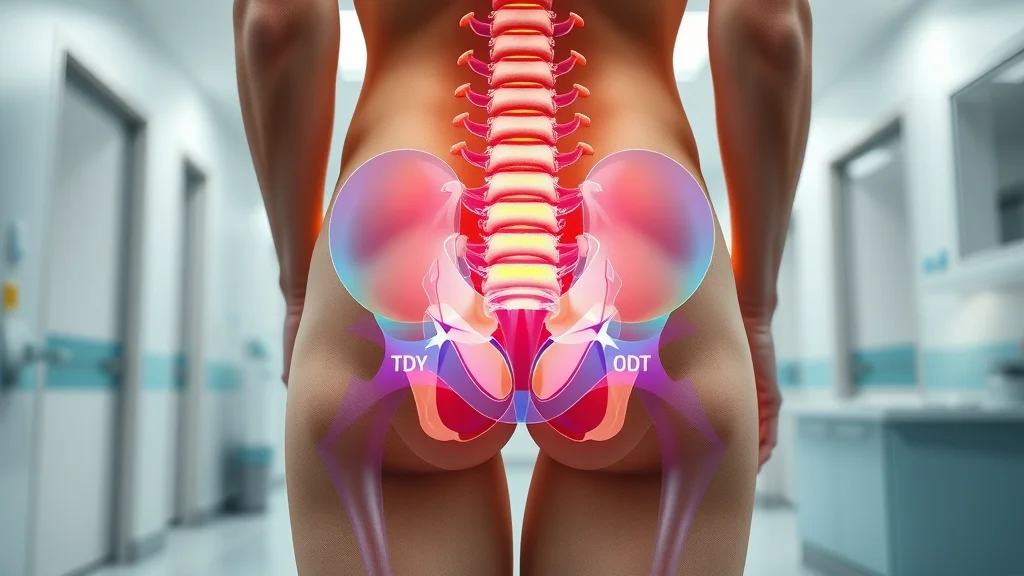
Did you know that sciatica affects up to 40% of people at some point in their lives, often leading to debilitating pain that disrupts daily activities? This sciatica overview article dives deep into the causes, symptoms, and latest treatment options to help you understand this complex condition and take control of your health. Whether you’re experiencing shooting pain down your leg or persistent lower back discomfort, knowing the facts about sciatica is the first step to lasting relief.Startling Facts About Sciatica and Its ImpactSciatica is far more prevalent than many realize, often misunderstood and misdiagnosed. This condition results from irritation or compression of the sciatic nerve—the longest nerve in the human body—causing pain that radiates from the lower back down through the hips and legs. The impact of sciatica extends beyond physical discomfort; it can impede your ability to work, exercise, and enjoy everyday tasks. Studies show that early diagnosis and targeted treatment significantly improve recovery outcomes.People often mistake sciatica symptoms for generic back pain, delaying proper care. According to Dr. Matthew Ferris of Elite Spine Care, “Effective sciatica treatment requires addressing the root cause, not just masking symptoms. Our approach combines advanced therapies tailored to each patient’s unique condition. ” Recognizing how sciatica affects your lifestyle highlights the importance of seeking specialized care, which can restore mobility and quality of life.Why Sciatica Is More Common Than You ThinkSciatica is surprisingly widespread, with causes ranging from herniated discs and spinal stenosis to lifestyle factors such as prolonged sitting and poor posture. The sciatic nerve can become compressed or inflamed due to these varied triggers, making sciatica a common complaint among adults. Dr. Ferris emphasizes that “early diagnosis and personalized recovery plans are key to stopping sciatica from controlling your life,” underscoring the necessity of timely intervention.As people age or engage in high-risk activities, the likelihood of sciatica increases. Obesity, sedentary habits, and occupations involving heavy lifting also contribute to higher prevalence rates. Understanding these factors helps patients and healthcare providers develop effective prevention and management strategies.Expert Quote: Dr. Ferris on the Importance of Early DiagnosisDr. Matthew Ferris explains, “The sooner sciatica is diagnosed accurately, the better the chances for non-surgical treatment success. Ignoring symptoms or self-medicating can lead to chronic pain and neurological deficits. ” Early diagnosis often involves a combination of physical exams and digital imaging to pinpoint nerve root compression and initiate the appropriate treatment plan.What Is Sciatica? Defining the Sciatic Nerve and Sciatica OverviewSciatica is a set of symptoms including leg pain, tingling, weakness, or numbness caused by irritation of the sciatic nerve roots in the lower spine. Understanding the anatomy of this nerve is crucial for grasping how sciatica develops and manifests.The sciatic nerve originates from the lumbar spine, running through the pelvis and branching down each leg. When these nerve roots become compressed—due to herniated discs, bone spurs, or muscle inflammation—typical sciatica symptoms appear. This nerve's extensive pathway explains why symptoms often radiate far beyond the lower back.Anatomy of the Sciatic Nerve and Nerve RootsThe sciatic nerve consists of nerve roots from spinal vertebrae L4 to S3, which merge and pass through the lower back and buttocks before branching into the legs and feet. Damage or pressure at any segment can disrupt nerve signaling, leading to pain or neurological symptoms.The nerve roots exit through narrow spaces in the vertebrae. When these spaces narrow due to injury or degeneration, the nerve can become pinched—a primary cause of sciatica. Knowing these details provides context for treatment options that aim to relieve this pressure and restore nerve function.How Nerve Root Compression Leads to Sciatica SymptomsNerve root compression causes inflammation, swelling, and disrupted nerve signals, resulting in sharp or burning pain that may be accompanied by numbness or weakness in the leg. This condition interrupts the normal communication between the brain and lower limb muscles, often causing mobility issues and balance problems.Dr. Ferris of Elite Spine Care highlights that “targeting the root cause—nerve compression—instead of only treating symptoms is essential for lasting relief. ” Treatments such as dry needling, rehab exercises, and laser therapy work by reducing inflammation and promoting nerve healing at the source. Common Risk Factors That Contribute to SciaticaSeveral factors increase the risk of developing sciatica, ranging from lifestyle choices to underlying medical conditions. Understanding these helps in both preventative measures and tailoring effective treatments.Risk factors include prolonged sedentary behavior, obesity, age-related spinal degeneration, and trauma. Additionally, certain activities like heavy lifting or repetitive twisting can strain the lumbar spine, precipitating nerve irritation.Identifying Lifestyle and Medical Risk FactorsProlonged sitting and poor posture weaken the muscles that support the spine, increasing vulnerability to nerve compression. Conditions like herniated discs, spinal stenosis, and arthritis also play significant roles in sciatic nerve root irritation.Medical factors such as diabetes or pregnancy can exacerbate symptoms due to inflammation or structural changes in the body, requiring specialized attention when forming a treatment strategy.Dr. Ferris Explains How Risk Factors Influence Treatment OutcomesAccording to Dr. Ferris, “Individual risk factors directly affect the approach to treatment. For example, patients with obesity may benefit from combined therapies addressing weight reduction and spinal health to improve outcomes. ” Personalized care plans consider these factors to optimize recovery and prevent recurrence.Recognizing Sciatica Symptoms: What to Look ForRecognizing the hallmark symptoms of sciatica early can prevent worsening pain and potential nerve damage. These symptoms typically begin gradually and may escalate if left untreated.Common symptoms include sharp or radiating leg pain, numbness, tingling sensations, muscle weakness, and difficulty standing or walking. Symptoms often worsen with prolonged sitting or sudden movements.Typical Sciatica Symptoms and Their ProgressionSciatica usually begins with mild discomfort in the lower back or buttocks, progressing to more intense pain radiating down the sciatic nerve pathway. Muscle weakness or loss of sensation may develop, indicating nerve involvement severity.Heatmap visualizations highlight the usual areas affected: lower back, buttocks, thighs, and sometimes extending down to the feet. Understanding symptom progression aids timely intervention and symptom management. The Four Stages of Sciatica ExplainedSciatica typically advances through four stages: initial mild discomfort, persistent nerve irritation with radiating pain, nerve inflammation leading to neurological symptoms, and finally severe nerve damage if untreated.Each stage demands tailored treatment considerations. Prompt addressing of early stages often prevents progression to debilitating chronic pain or permanent deficits.Diagnosing Sciatica: The Role of Healthcare ProvidersAccurate diagnosis by healthcare professionals is critical for crafting an effective treatment plan. It involves a thorough physical examination and advanced diagnostic tests.Among these tests is the straight-leg raise test, where a physiotherapist assesses nerve tension and pain response. Digital imaging, such as MRI or CT scans, helps visualize nerve root compression and underlying spinal issues contributing to sciatica symptoms.Common Diagnostic Tests Including the Straight-Leg TestThe straight-leg test reproduces sciatic pain by extending the patient’s leg, indicating nerve root involvement when pain occurs between 30-70 degrees of elevation. This simple yet effective test guides further diagnostic procedures.Comprehensive neurological exams also evaluate muscle strength, reflexes, and sensory deficits, helping distinguish sciatica from other causes of leg pain. How Digital Imaging Enhances Sciatica DiagnosisAdvanced imaging modalities reveal detailed anatomy of the lumbar spine, identifying herniated discs, spinal stenosis, and nerve root compression. This visual evidence supports precise diagnosis and informs targeted treatment choices.Imaging also aids in monitoring treatment progress and deciding when surgical interventions may be necessary for refractory cases.Treatment Options for Sciatica: From Conservative to AdvancedTreatment for sciatica ranges from conservative therapies to surgical options, depending on severity and patient-specific factors. The goal is to relieve pain, restore nerve function, and improve quality of life.Non-surgical therapies are often first-line, aimed at reducing inflammation, enhancing mobility, and strengthening supportive muscles.Non-Surgical Treatments: Dry Needling, Rehab, and Laser TherapyDry needling targets muscle trigger points to alleviate stiffness and improve blood flow, reducing nerve irritation. Rehabilitation programs focus on tailored exercises to strengthen the core and lumbar muscles, improving spinal support.Laser therapy uses focused light energy to promote tissue repair and reduce inflammation at the affected nerve roots. Dr. Ferris states, “Our combined approach of dry needling, rehab, and laser therapy targets the root cause rather than just symptoms, offering personalized recovery plans for lasting relief. ” When to Consider Surgical InterventionsSurgery is generally reserved for cases where conservative treatments fail or neurological deficits worsen. Procedures may involve relieving nerve compression by removing herniated disc material or widening spinal canals.Post-surgical rehabilitation is critical to restore function and prevent recurrence. Decisions about surgery are individualized, balancing risks and potential benefits.Expert Insights: Dr. Ferris on Effective Sciatica Treatment StrategiesDr. Ferris, of Elite Spine Care, emphasizes that “effective sciatica treatment hinges on a comprehensive approach that combines diagnosis, personalized therapy, and patient education. ” The expertise of the provider ensures that treatments adapt to the patient’s progress and evolving needs.Collaboration between patient and provider maximizes outcomes and fosters a proactive approach to managing symptoms and preventing future flare-ups.Targeting the Root Cause Rather Than Just SymptomsMany treatments only mask sciatica symptoms temporarily. Dr. Ferris explains, “We focus on the underlying nerve root compression and muscular imbalances causing the pain. By addressing these root issues, patients achieve longer-lasting relief. ”This philosophy advocates for integrated therapies that work synergistically rather than isolated symptom management.Personalized Recovery Plans for Lasting ReliefEach sciatica case is unique, requiring a customized recovery protocol. This may include dry needling, laser therapy, specific exercises, lifestyle modifications, and education.Such plans empower patients to take control of their condition and minimize future risk through informed daily habits and ongoing preventive care. Common Misconceptions and Mistakes in Managing SciaticaMany people misunderstand sciatica, leading to ineffective treatments and prolonged suffering. Common myths include the belief that rest alone cures sciatica or that surgery is the only option.Delaying professional care often worsens symptoms and increases the likelihood of chronic pain or neurological complications. Education is key to dispelling these misconceptions.Debunking Myths About Sciatica Pain and TreatmentA significant misconception is that sciatica pain correlates directly with severity of spinal damage. In reality, symptom intensity varies and can be influenced by inflammation and muscle spasm.Another myth is that exercise worsens sciatica; on the contrary, guided rehabilitation strengthens supportive structures without aggravating nerve irritation.Avoiding Delays in Seeking Professional CareFear or misunderstanding may prevent patients from seeking timely evaluation, risking progression of nerve damage. Early consultation with experts like Dr. Ferris ensures appropriate treatment and better recovery prospects.Actionable Tips to Manage and Prevent Sciatica Flare-UpsPreventing sciatica flare-ups involves lifestyle modifications and consistent exercises that maintain spinal health and flexibility.Maintaining proper posture, engaging in regular low-impact exercise, and avoiding prolonged sitting reduce nerve irritation risks. Awareness of body mechanics during lifting and daily activities also plays a crucial role.Lifestyle Adjustments and Exercises Recommended by ExpertsExercises targeting the core muscles and lumbar spine improve stability and reduce strain on the sciatic nerve. Stretching the hamstrings and hip flexors also alleviates tension contributing to nerve compression.Dr. Ferris advises, “Personalized rehab exercises tailored to each patient’s condition are essential. Consistency in these therapies prevents flare-ups and promotes nerve health. ”How to Explain Sciatica Pain to Family and FriendsCommunicating the nature of sciatica pain can foster understanding and support. Describing the pain as a sharp, radiating discomfort caused by nerve irritation often resonates with others better than vague back pain explanations.Sharing insights on symptom triggers and limitations helps loved ones appreciate the patient’s experience and encourages empathy.People Also AskWhat are the 4 stages of sciatica?The four stages of sciatica progress from mild nerve irritation with intermittent pain, to persistent symptom progression, nerve inflammation causing neurological issues, and finally, severe nerve damage if untreated. Early intervention prevents advancement through these stages.What is the main cause of sciatica?The primary cause is compression or irritation of the sciatic nerve roots, often due to herniated lumbar discs, spinal stenosis, or muscle spasms in the lower back and buttocks.What is the quickest way to stop sciatica?Immediate relief often comes from conservative treatments like dry needling, anti-inflammatory medications, and physical therapy focused on relieving nerve pressure. However, sustainable relief requires addressing the underlying causes through comprehensive treatment plans.How to explain sciatica pain to someone?Explain that sciatica is nerve pain caused by pressure on the largest nerve in the body, resulting in sharp, shooting pain down the leg, often accompanied by numbness or weakness, making normal movement difficult.Summary and Key TakeawaysUnderstand the anatomy and function of the sciatic nerveRecognize common risk factors and symptomsLearn diagnostic methods used by healthcare providersExplore treatment options including dry needling and laser therapyAvoid common misconceptions and mistakesImplement expert-recommended lifestyle changesTreatment MethodPurposeBenefitsWhen to UseDry NeedlingRelieves muscle trigger pointsReduces tension and inflammationEarly to moderate symptoms with muscular tightnessRehabilitation ExercisesStrengthens core and lumbar musclesImproves posture and spinal stabilityDuring and after pain flare-upsLaser TherapyPromotes tissue repairReduces inflammation and painAdjunct therapy for nerve healingSurgeryRemoves nerve compressionRelieves severe cases with neurological deficitsWhen conservative treatments failConclusion: Taking the Next Step Toward Sciatica ReliefTake control of your sciatica pain by seeking expert evaluation and opting for a personalized treatment plan today.Book Your Consultation TodayGet relief now—book your $89 consultation + digital imaging today. Early intervention is the key to stopping sciatica from controlling your life. Connect with Dr. Matthew Ferris at Indy Spine & Balance for expert care tailored to your unique needs.

Verve Aesthetics Studio

Verve Aesthetics Studio focuses on all things Aesthetic for Upscale Urban Professionals. 

(317) 558-8936

AVAILABLE FROM 8AM - 5PM EST

99 Monon Boulevard, Carmel, IN 46032

ABOUT US

Verve Aesthetics Studio celebrates the people and businesses shaping beauty, aesthetics, and wellness.

© 2026 Verve Aesthetics Studio All Rights Reserved. 99 Monon Boulevard, Carmel, Indiana 46032 . Contact Us . Terms of Service . Privacy Policy

eyJjb21wYW55IjoiVmVydmUgQWVzdGhldGljcyBTdHVkaW8iLCJhZGRyZXNzIjoiOTkgTW9ub24gQm91bGV2YXJkIiwiY2l0eSI6IkNhcm1lbCIsInN0YXRlIjoiSW5kaWFuYSIsInppcCI6IjQ2MDMyIiwiZW1haWwiOiJhZWRpdG9yQHZlcnZlYWVzdGhldGljcy5zdHVkaW8iLCJ0b3MiOiJQSEErVkdWeWJYTWdiMllnVTJWeWRtbGpaVHhpY2lBdlBnbzhZbklnTHo0S1RHRnpkQ0JWY0dSaGRHVmtPaUJUWlhCMFpXMWlaWElnTVRnc0lESXdNalk4WW5JZ0x6NEtQR0p5SUM4K0NsZGxiR052YldVZ2RHOGdWbVZ5ZG1VZ1FXVnpkR2hsZEdsamN5QlRkSFZrYVc4dUlGUm9aWE5sSUZSbGNtMXpJRzltSUZObGNuWnBZMlVnWjI5MlpYSnVJSGx2ZFhJZ1lXTmpaWE56SUhSdklHRnVaQ0IxYzJVZ2IyWWdkR2hsSUZabGNuWmxJRUZsYzNSb1pYUnBZM01nVTNSMVpHbHZJSGRsWW5OcGRHVXNJR052Ym5SbGJuUXNJSE5sY25acFkyVnpMQ0JoYm1RZ2NtVnNZWFJsWkNCdFlYUmxjbWxoYkhNdUptNWljM0E3UEdKeUlDOCtDanhpY2lBdlBncENlU0JoWTJObGMzTnBibWNnYjNJZ2RYTnBibWNnYjNWeUlIZGxZbk5wZEdVc0lIbHZkU0JoWjNKbFpTQjBieUIwYUdWelpTQlVaWEp0Y3k0Z1NXWWdlVzkxSUdSdklHNXZkQ0JoWjNKbFpTQjNhWFJvSUdGdWVTQndZWEowSUc5bUlIUm9aWE5sSUZSbGNtMXpMQ0J3YkdWaGMyVWdaRzhnYm05MElIVnpaU0IwYUdVZ2QyVmljMmwwWlM0OFluSWdMejRLUEdKeUlDOCtDakV1SUVGaWIzVjBJRlpsY25abElFRmxjM1JvWlhScFkzTWdVM1IxWkdsdlBHSnlJQzgrQ2xabGNuWmxJRUZsYzNSb1pYUnBZM01nVTNSMVpHbHZJR2x6SUdGdUlHVmthWFJ2Y21saGJDQmhibVFnYldWa2FXRWdjR3hoZEdadmNtMGdabTlqZFhObFpDQnZiaUJrYjJOMWJXVnVkR2x1WnlCaGJtUWdhR2xuYUd4cFoyaDBhVzVuSUhCbGIzQnNaU3dnY0d4aFkyVnpMQ0JpZFhOcGJtVnpjMlZ6TENCelpYSjJhV05sY3l3Z1lXNWtJR055WVdaMGMyMWhibk5vYVhBZ2QybDBhR2x1SUhSb1pTQmhaWE4wYUdWMGFXTnpMQ0JpWldGMWRIa3NJSGRsYkd4dVpYTnpMQ0JoYm1RZ2NtVnNZWFJsWkNCcGJtUjFjM1J5YVdWekxqeGljaUF2UGdwV1pYSjJaU0J3Y205MmFXUmxjeUJsWkdsMGIzSnBZV3dnWm1WaGRIVnlaWE1zSUdGeWRHbGpiR1Z6TENCaWRYTnBibVZ6Y3lCd2NtOW1hV3hsY3l3Z2FXNTBaWEoyYVdWM2N5d2djSEp2Ylc5MGFXOXVZV3dnYldGMFpYSnBZV3h6TENCaGJtUWdiM1JvWlhJZ2JXVmthV0VnWTI5dWRHVnVkQzQ4WW5JZ0x6NEtWbVZ5ZG1VZ2FYTWdibTkwSUdFZ2JXVmthV05oYkNCd2NtOTJhV1JsY2l3Z2FHVmhiSFJvWTJGeVpTQndjbTkyYVdSbGNpd2diV1ZrYVdOaGJDQmhaSFpwWTJVZ2MyVnlkbWxqWlN3Z2IzSWdhR1ZoYkhSb1kyRnlaU0J3Y205bVpYTnphVzl1WVd3dUlFTnZiblJsYm5RZ2NIVmliR2x6YUdWa0lHOXVJSFJvYVhNZ2QyVmljMmwwWlNCcGN5QnBiblJsYm1SbFpDQm1iM0lnWjJWdVpYSmhiQ0JwYm1admNtMWhkR2x2Ym1Gc0lHRnVaQ0JsWkdsMGIzSnBZV3dnY0hWeWNHOXpaWE1nYjI1c2VTNDhZbklnTHo0S1BHSnlJQzgrQ2pJdUlGVnpaU0J2WmlCUGRYSWdWMlZpYzJsMFpUeGljaUF2UGdwWmIzVWdiV0Y1SUhWelpTQjBhR1VnZDJWaWMybDBaU0JtYjNJZ2JHRjNablZzSUhCMWNuQnZjMlZ6SUdGdVpDQnBiaUJoWTJOdmNtUmhibU5sSUhkcGRHZ2dkR2hsYzJVZ1ZHVnliWE11UEdKeUlDOCtDbGx2ZFNCaFozSmxaU0J1YjNRZ2RHODZQR0p5SUM4K0NsVnpaU0IwYUdVZ2QyVmljMmwwWlNCbWIzSWdZVzU1SUhWdWJHRjNablZzSUc5eUlHWnlZWFZrZFd4bGJuUWdjSFZ5Y0c5elpTNDhZbklnTHo0S1FYUjBaVzF3ZENCMGJ5Qm5ZV2x1SUhWdVlYVjBhRzl5YVhwbFpDQmhZMk5sYzNNZ2RHOGdiM1Z5SUhkbFluTnBkR1VzSUhONWMzUmxiWE1zSUc5eUlHRmpZMjkxYm5SekxqeGljaUF2UGdwSmJuUmxjbVpsY21VZ2QybDBhQ0IwYUdVZ2IzQmxjbUYwYVc5dUlHOXlJSE5sWTNWeWFYUjVJRzltSUhSb1pTQjNaV0p6YVhSbExqeGljaUF2UGdwRGIzQjVMQ0J5WlhCeWIyUjFZMlVzSUdScGMzUnlhV0oxZEdVc0lHOXlJR1Y0Y0d4dmFYUWdiM1Z5SUdOdmJuUmxiblFnZDJsMGFHOTFkQ0J3WlhKdGFYTnphVzl1TGp4aWNpQXZQZ3BWYzJVZ2IzVnlJR052Ym5SbGJuUXNJR0p5WVc1a2FXNW5MQ0J2Y2lCdFlYUmxjbWxoYkhNZ2FXNGdZU0IzWVhrZ2RHaGhkQ0J6ZFdkblpYTjBjeUJoYmlCMWJtRjFkR2h2Y21sNlpXUWdjR0Z5ZEc1bGNuTm9hWEFnYjNJZ1pXNWtiM0p6WlcxbGJuUXVQR0p5SUM4K0NsTjFZbTFwZENCcGJtWnZjbTFoZEdsdmJpQjBhR0YwSUdseklHdHViM2RwYm1kc2VTQm1ZV3h6WlN3Z2JXbHpiR1ZoWkdsdVp5d2daR1ZtWVcxaGRHOXllU3dnYjNJZ2RXNXNZWGRtZFd3dVBHSnlJQzgrQ2xWd2JHOWhaQ0J2Y2lCMGNtRnVjMjFwZENCdFlXeHBZMmx2ZFhNZ2MyOW1kSGRoY21Vc0lIWnBjblZ6WlhNc0lHOXlJRzkwYUdWeUlHaGhjbTFtZFd3Z2JXRjBaWEpwWVd3dVBHSnlJQzgrQ2xkbElISmxjMlZ5ZG1VZ2RHaGxJSEpwWjJoMElIUnZJSEpsYzNSeWFXTjBJRzl5SUhSbGNtMXBibUYwWlNCaFkyTmxjM01nZEc4Z2RHaGxJSGRsWW5OcGRHVWdhV1lnZDJVZ1ltVnNhV1YyWlNCMGFHVnpaU0JVWlhKdGN5Qm9ZWFpsSUdKbFpXNGdkbWx2YkdGMFpXUXVQR0p5SUM4K0NqeGljaUF2UGdvekxpQkZaR2wwYjNKcFlXd2dRMjl1ZEdWdWREeGljaUF2UGdwV1pYSjJaU0J0WVhrZ2NIVmliR2x6YUNCaGNuUnBZMnhsY3l3Z1luVnphVzVsYzNNZ2NISnZabWxzWlhNc0lHbHVkR1Z5ZG1sbGQzTXNJSEJvYjNSdlozSmhjR2h6TENCMmFXUmxiM01zSUhGMWIzUmxjeXdnWVc1a0lHOTBhR1Z5SUdWa2FYUnZjbWxoYkNCdFlYUmxjbWxoYkhNZ1lXSnZkWFFnWW5WemFXNWxjM05sY3l3Z2NISnZabVZ6YzJsdmJtRnNjeXdnYjNKbllXNXBlbUYwYVc5dWN5d2dZVzVrSUdsdVpHbDJhV1IxWVd4ekxqeGljaUF2UGdwRlpHbDBiM0pwWVd3Z1kyOXVkR1Z1ZENCdFlYa2dZbVVnWTNKbFlYUmxaQ0IxYzJsdVp5QnBibVp2Y20xaGRHbHZiaUJ3Y205MmFXUmxaQ0JpZVNCaWRYTnBibVZ6YzJWeklHOXlJR2RoZEdobGNtVmtJR1p5YjIwZ2NIVmliR2xqYkhrZ1lYWmhhV3hoWW14bElITnZkWEpqWlhNdVBHSnlJQzgrQ2xkb2FXeGxJSGRsSUcxaGEyVWdjbVZoYzI5dVlXSnNaU0JsWm1admNuUnpJSFJ2SUhCeVpYTmxiblFnYVc1bWIzSnRZWFJwYjI0Z1lXTmpkWEpoZEdWc2VTd2dkMlVnWkc4Z2JtOTBJR2QxWVhKaGJuUmxaU0IwYUdGMElHVjJaWEo1SUhCcFpXTmxJRzltSUdsdVptOXliV0YwYVc5dUlIQjFZbXhwYzJobFpDQnZiaUIwYUdVZ2QyVmljMmwwWlNCcGN5QmpiMjF3YkdWMFpTd2dZM1Z5Y21WdWRDd2diM0lnWlhKeWIzSXRabkpsWlM0OFluSWdMejRLUW5WemFXNWxjM05sY3lCaGJtUWdhVzVrYVhacFpIVmhiSE1nWm1WaGRIVnlaV1FnWW5rZ1ZtVnlkbVVnWVhKbElISmxjM0J2Ym5OcFlteGxJR1p2Y2lCeVpYWnBaWGRwYm1jZ2FXNW1iM0p0WVhScGIyNGdkR2hsZVNCd2NtOTJhV1JsSUhSdklIVnpJR0Z1WkNCdWIzUnBabmxwYm1jZ2RYTWdiMllnYldGMFpYSnBZV3dnYVc1aFkyTjFjbUZqYVdWekxqeGljaUF2UGdwUWRXSnNhV05oZEdsdmJpQnZaaUJoSUdKMWMybHVaWE56SUc5eUlHbHVaR2wyYVdSMVlXd2daRzlsY3lCdWIzUWdibVZqWlhOellYSnBiSGtnWTI5dWMzUnBkSFYwWlNCaGJpQmxibVJ2Y25ObGJXVnVkQ3dnWTJWeWRHbG1hV05oZEdsdmJpd2daM1ZoY21GdWRHVmxMQ0J2Y2lCeVpXTnZiVzFsYm1SaGRHbHZiaUJpZVNCV1pYSjJaUzQ4WW5JZ0x6NEtQR0p5SUM4K0NqUXVJRUoxYzJsdVpYTnpJRVpsWVhSMWNtVnpJR0Z1WkNCVGRXSnRhWE56YVc5dWN6eGljaUF2UGdwQ2RYTnBibVZ6YzJWeklHMWhlU0JpWlNCcGJuWnBkR1ZrSUhSdklIQmhjblJwWTJsd1lYUmxJR2x1SUdOdmJYQnNhVzFsYm5SaGNua2diM0lnY0dGcFpDQmxaR2wwYjNKcFlXd2dabVZoZEhWeVpYTXVQR0p5SUM4K0NrbG1JSGx2ZFNCd2NtOTJhV1JsSUdsdVptOXliV0YwYVc5dUxDQnhkVzkwWlhNc0lIQm9iM1J2WjNKaGNHaHpMQ0JzYjJkdmN5d2diR2x1YTNNc0lHOXlJRzkwYUdWeUlHMWhkR1Z5YVdGc2N5QjBieUJXWlhKMlpTQW9KbXhrY1hWdk8xTjFZbTFwZEhSbFpDQk5ZWFJsY21saGJITW1jbVJ4ZFc4N0tTd2dlVzkxSUhKbGNISmxjMlZ1ZENCMGFHRjBPanhpY2lBdlBncFpiM1VnYUdGMlpTQjBhR1VnY21sbmFIUWdkRzhnY0hKdmRtbGtaU0IwYUdVZ2JXRjBaWEpwWVd4eklIUnZJSFZ6TGp4aWNpQXZQZ3BVYUdVZ2JXRjBaWEpwWVd4eklHUnZJRzV2ZENCcmJtOTNhVzVuYkhrZ2RtbHZiR0YwWlNCaGJtOTBhR1Z5SUhCbGNuTnZiaVlqTXprN2N5QnBiblJsYkd4bFkzUjFZV3dnY0hKdmNHVnlkSGtnYjNJZ2IzUm9aWElnY21sbmFIUnpManhpY2lBdlBncFVhR1VnYVc1bWIzSnRZWFJwYjI0Z2NISnZkbWxrWldRZ2FYTWdZV05qZFhKaGRHVWdkRzhnZEdobElHSmxjM1FnYjJZZ2VXOTFjaUJyYm05M2JHVmtaMlV1UEdKeUlDOCtDbGx2ZFNCb1lYWmxJSEJsY20xcGMzTnBiMjRnZEc4Z2NISnZkbWxrWlNCaGJua2djR2h2ZEc5bmNtRndhSE1zSUd4dloyOXpMQ0J6ZEdGMFpXMWxiblJ6TENCdmNpQnZkR2hsY2lCdFlYUmxjbWxoYkhNZ1ltVnNiMjVuYVc1bklIUnZJSGx2ZFhJZ1luVnphVzVsYzNNZ2IzSWdiM0puWVc1cGVtRjBhVzl1TGp4aWNpQXZQZ3BDZVNCemRXSnRhWFIwYVc1bklHMWhkR1Z5YVdGc2N5QjBieUJXWlhKMlpTd2dlVzkxSUdkeVlXNTBJRlpsY25abElIQmxjbTFwYzNOcGIyNGdkRzhnZFhObExDQnlaWEJ5YjJSMVkyVXNJR1ZrYVhRc0lIQjFZbXhwYzJnc0lHUnBjM0JzWVhrc0lHRnVaQ0JrYVhOMGNtbGlkWFJsSUhSb2IzTmxJRzFoZEdWeWFXRnNjeUJoY3lCeVpXRnpiMjVoWW14NUlHNWxZMlZ6YzJGeWVTQjBieUJqY21WaGRHVWdZVzVrSUhCeWIyMXZkR1VnZEdobElISmxjWFZsYzNSbFpDQmxaR2wwYjNKcFlXd2dabVZoZEhWeVpTQnZjaUJ5Wld4aGRHVmtJR052Ym5SbGJuUXVQR0p5SUM4K0NqeGljaUF2UGdvMUxpQkZaR2wwYjNKcFlXd2dVbVYyYVdWM0lHRnVaQ0JEYUdGdVoyVnpQR0p5SUM4K0NsWmxjblpsSUhKbGMyVnlkbVZ6SUhSb1pTQnlhV2RvZENCMGJ5QmxaR2wwSUhOMVltMXBkSFJsWkNCdFlYUmxjbWxoYkhNZ1ptOXlJR2R5WVcxdFlYSXNJSE53Wld4c2FXNW5MQ0JtYjNKdFlYUjBhVzVuTENCc1pXNW5kR2dzSUdOc1lYSnBkSGtzSUhOMGVXeGxMQ0JoYm1RZ1pXUnBkRzl5YVdGc0lHTnZibk5wYzNSbGJtTjVManhpY2lBdlBncFhaU0J0WVhrZ1lXeHpieUJrWldOc2FXNWxJSFJ2SUhCMVlteHBjMmdzSUcxdlpHbG1lU3dnZFhCa1lYUmxMQ0J2Y2lCeVpXMXZkbVVnWTI5dWRHVnVkQ0JoZENCdmRYSWdaR2x6WTNKbGRHbHZiaTQ4WW5JZ0x6NEtVR0Z5ZEdsamFYQmhkR2x2YmlCcGJpQmhJR1psWVhSMWNtVWdaRzlsY3lCdWIzUWdaM1ZoY21GdWRHVmxJR0VnY0dGeWRHbGpkV3hoY2lCd2RXSnNhV05oZEdsdmJpQmtZWFJsTENCd2JHRmpaVzFsYm5Rc0lHRjFaR2xsYm1ObElITnBlbVVzSUhObFlYSmphQzFsYm1kcGJtVWdjbUZ1YTJsdVp5d2djMjlqYVdGc0xXMWxaR2xoSUhKbFlXTm9MQ0IwY21GbVptbGpJR3hsZG1Wc0xDQnNaV0ZrY3l3Z2MyRnNaWE1zSUc5eUlHOTBhR1Z5SUdKMWMybHVaWE56SUhKbGMzVnNkQzQ4TDNBK0NnbzhjRDQyTGlCQlkyTjFjbUZqZVNCdlppQkNkWE5wYm1WemN5QkpibVp2Y20xaGRHbHZianhpY2lBdlBncENkWE5wYm1WemMyVnpJR1psWVhSMWNtVmtJRzl1SUZabGNuWmxJR0Z5WlNCeVpYTndiMjV6YVdKc1pTQm1iM0lnWlc1emRYSnBibWNnZEdoaGRDQjBhR1ZwY2lCaWRYTnBibVZ6Y3lCcGJtWnZjbTFoZEdsdmJpQnBjeUJoWTJOMWNtRjBaUzQ4WW5JZ0x6NEtWR2hwY3lCdFlYa2dhVzVqYkhWa1pTQnBibVp2Y20xaGRHbHZiaUJ6ZFdOb0lHRnpPanhpY2lBdlBncENkWE5wYm1WemN5QnVZVzFsUEdKeUlDOCtDa0ZrWkhKbGMzTThZbklnTHo0S1VHaHZibVVnYm5WdFltVnlQR0p5SUM4K0NsZGxZbk5wZEdVOFluSWdMejRLU0c5MWNuTWdiMllnYjNCbGNtRjBhVzl1UEdKeUlDOCtDbE5sY25acFkyVnpQR0p5SUM4K0NsQnlhV05wYm1jOFluSWdMejRLUTI5dWRHRmpkQ0JwYm1admNtMWhkR2x2Ymp4aWNpQXZQZ3BQZEdobGNpQndkV0pzYVdOc2VTQmthWE53YkdGNVpXUWdZblZ6YVc1bGMzTWdaR1YwWVdsc2N6eGljaUF2UGdwSlppQjViM1VnYVdSbGJuUnBabmtnWVc0Z2FXNWhZMk4xY21GMFpTQnZjaUJ2ZFhSa1lYUmxaQ0JpZFhOcGJtVnpjeUJrWlhSaGFXd3NJSGx2ZFNCdFlYa2dZMjl1ZEdGamRDQldaWEoyWlNCMGJ5QnlaWEYxWlhOMElHRWdZMjl5Y21WamRHbHZiaTQ4WW5JZ0x6NEtWbVZ5ZG1VZ2JXRjVJSEpsZG1sbGR5QmpiM0p5WldOMGFXOXVJSEpsY1hWbGMzUnpJR0psWm05eVpTQnRZV3RwYm1jZ1kyaGhibWRsY3k0OFluSWdMejRLUEdKeUlDOCtDamN1SUZCeWIyMXZkR2x2Ym1Gc0lFWmxZWFIxY21WeklHRnVaQ0JRY21WemN5QkxhWFJ6UEdKeUlDOCtDbFpsY25abElHMWhlU0J2Wm1abGNpQmlkWE5wYm1WemMyVnpJR0ZrWkdsMGFXOXVZV3dnY0hKdmJXOTBhVzl1WVd3Z2IzQndiM0owZFc1cGRHbGxjeXdnYVc1amJIVmthVzVuSUhCeVpYTnpJR3RwZEhNc0lITnZZMmxoYkMxdFpXUnBZU0J3Y205dGIzUnBiMjVoYkNCdFlYUmxjbWxoYkhNc0lIZGxZbk5wZEdVZ2NHeGhZMlZ0Wlc1MExDQmxaR2wwYjNKcFlXd2dkbWx6YVdKcGJHbDBlU3dnYjNJZ2IzUm9aWElnY0hKdmJXOTBhVzl1WVd3Z2MyVnlkbWxqWlhNdVBHSnlJQzgrQ2tGdWVTQndZV2xrSUhCeWIyMXZkR2x2Ym1Gc0lITmxjblpwWTJVZ2QybHNiQ0JpWlNCemRXSnFaV04wSUhSdklIUm9aU0JoY0hCc2FXTmhZbXhsSUdSbGMyTnlhWEIwYVc5dUxDQndjbWxqYVc1bkxDQmhibVFnZEdWeWJYTWdjSEpsYzJWdWRHVmtJR0YwSUhSb1pTQjBhVzFsSUc5bUlIQjFjbU5vWVhObElHOXlJR0ZuY21WbGJXVnVkQzQ4WW5JZ0x6NEtVR0Y1YldWdWRDQm1iM0lnWVNCd2NtOXRiM1JwYjI1aGJDQnpaWEoyYVdObElHUnZaWE1nYm05MElHZDFZWEpoYm5SbFpTQnpjR1ZqYVdacFl5QmlkWE5wYm1WemN5QnlaWE4xYkhSekxDQnBibU5zZFdScGJtY2diR1ZoWkhNc0lHTjFjM1J2YldWeWN5d2djMkZzWlhNc0lIZGxZbk5wZEdVZ2RISmhabVpwWXl3Z2MyVmhjbU5vSUhKaGJtdHBibWR6TENCdmNpQnpiMk5wWVd3dGJXVmthV0VnWlc1bllXZGxiV1Z1ZEM0OFluSWdMejRLUEdKeUlDOCtDamd1SUVsdWRHVnNiR1ZqZEhWaGJDQlFjbTl3WlhKMGVUeGljaUF2UGdwVmJteGxjM01nYjNSb1pYSjNhWE5sSUhOMFlYUmxaQ3dnZEdobElGWmxjblpsSUhkbFluTnBkR1VnWVc1a0lHbDBjeUJ2Y21sbmFXNWhiQ0JqYjI1MFpXNTBMQ0JwYm1Oc2RXUnBibWNnWVhKMGFXTnNaWE1zSUhSbGVIUXNJR2R5WVhCb2FXTnpMQ0JzYjJkdmN5d2daR1Z6YVdkdUlHVnNaVzFsYm5SekxDQndhRzkwYjJkeVlYQm9jeXdnZG1sa1pXOXpMQ0JzWVhsdmRYUnpMQ0JoYm1RZ1luSmhibVJwYm1jc0lHRnlaU0J2ZDI1bFpDQmllU0J2Y2lCc2FXTmxibk5sWkNCMGJ5QldaWEoyWlNCaGJtUWdZWEpsSUhCeWIzUmxZM1JsWkNCaWVTQmhjSEJzYVdOaFlteGxJR2x1ZEdWc2JHVmpkSFZoYkNCd2NtOXdaWEowZVNCc1lYZHpManhpY2lBdlBncFpiM1VnYldGNUlIWnBaWGNnWVc1a0lHRmpZMlZ6Y3lCV1pYSjJaU0JqYjI1MFpXNTBJR1p2Y2lCd1pYSnpiMjVoYkNCdmNpQnBibVp2Y20xaGRHbHZibUZzSUhCMWNuQnZjMlZ6TGp4aWNpQXZQZ3BaYjNVZ2JXRjVJRzV2ZENCeVpYQnliMlIxWTJVc0lISmxjSFZpYkdsemFDd2diVzlrYVdaNUxDQmthWE4wY21saWRYUmxMQ0J6Wld4c0xDQndkV0pzYVdOc2VTQmthWE53YkdGNUxDQnZjaUJqYjIxdFpYSmphV0ZzYkhrZ1pYaHdiRzlwZENCV1pYSjJaUzF2ZDI1bFpDQmpiMjUwWlc1MElIZHBkR2h2ZFhRZ2NISnBiM0lnZDNKcGRIUmxiaUJ3WlhKdGFYTnphVzl1TGp4aWNpQXZQZ3BDZFhOcGJtVnpjMlZ6SUcxaGVTQnphR0Z5WlNCc2FXNXJjeUIwYnlCMGFHVnBjaUJ3ZFdKc2FYTm9aV1FnVm1WeWRtVWdabVZoZEhWeVpYTWdabTl5SUhCeWIyMXZkR2x2Ym1Gc0lIQjFjbkJ2YzJWekxDQndjbTkyYVdSbFpDQjBhR0YwSUhSb1pTQmpiMjUwWlc1MElHbHpJRzV2ZENCaGJIUmxjbVZrSUc5eUlIQnlaWE5sYm5SbFpDQnBiaUJoSUcxcGMyeGxZV1JwYm1jZ2JXRnVibVZ5TGp4aWNpQXZQZ284WW5JZ0x6NEtPUzRnVkdocGNtUXRVR0Z5ZEhrZ1YyVmljMmwwWlhNZ1lXNWtJRk5sY25acFkyVnpQR0p5SUM4K0NsUm9aU0JXWlhKMlpTQjNaV0p6YVhSbElHMWhlU0JqYjI1MFlXbHVJR3hwYm10eklIUnZJSFJvYVhKa0xYQmhjblI1SUhkbFluTnBkR1Z6TENCd2JHRjBabTl5YlhNc0lHSjFjMmx1WlhOelpYTXNJRzl5SUhObGNuWnBZMlZ6TGp4aWNpQXZQZ3BVYUdWelpTQnNhVzVyY3lCaGNtVWdjSEp2ZG1sa1pXUWdabTl5SUdOdmJuWmxibWxsYm1ObElHRnVaQ0JwYm1admNtMWhkR2x2Ym1Gc0lIQjFjbkJ2YzJWekxpQldaWEoyWlNCa2IyVnpJRzV2ZENCamIyNTBjbTlzSUc5eUlHZDFZWEpoYm5SbFpTQjBhR1VnWVdOamRYSmhZM2tzSUdGMllXbHNZV0pwYkdsMGVTd2djMlZqZFhKcGRIa3NJRzl5SUhCdmJHbGphV1Z6SUc5bUlIUm9hWEprTFhCaGNuUjVJSGRsWW5OcGRHVnpManhpY2lBdlBncFpiM1Z5SUhWelpTQnZaaUIwYUdseVpDMXdZWEowZVNCM1pXSnphWFJsY3lCcGN5Qm5iM1psY201bFpDQmllU0IwYUdVZ2RHVnliWE1nWVc1a0lIQnZiR2xqYVdWeklHOW1JSFJvYjNObElIZGxZbk5wZEdWekxqeGljaUF2UGdvOFluSWdMejRLTVRBdUlFaGxZV3gwYUNCaGJtUWdWMlZzYkc1bGMzTWdSR2x6WTJ4aGFXMWxjanhpY2lBdlBncFRiMjFsSUZabGNuWmxJR052Ym5SbGJuUWdiV0Y1SUdScGMyTjFjM01nWVdWemRHaGxkR2xqY3l3Z2MydHBibU5oY21Vc0lHSmxZWFYwZVN3Z2QyVnNiRzVsYzNNc0lHTm9hWEp2Y0hKaFkzUnBZeUJ6WlhKMmFXTmxjeXdnWTI5emJXVjBhV01nY0hKdlkyVmtkWEpsY3l3Z2IzSWdiM1JvWlhJZ2FHVmhiSFJvTFhKbGJHRjBaV1FnZEc5d2FXTnpManhpY2lBdlBncFRkV05vSUdOdmJuUmxiblFnYVhNZ2NISnZkbWxrWldRZ1ptOXlJR2RsYm1WeVlXd2dhVzVtYjNKdFlYUnBiMjVoYkNCaGJtUWdaV1JwZEc5eWFXRnNJSEIxY25CdmMyVnpJRzl1YkhrZ1lXNWtJSE5vYjNWc1pDQnViM1FnWW1VZ1kyOXVjMmxrWlhKbFpDQnRaV1JwWTJGc0xDQndjbTltWlhOemFXOXVZV3dzSUdScFlXZHViM04wYVdNc0lHOXlJSFJ5WldGMGJXVnVkQ0JoWkhacFkyVXVQR0p5SUM4K0NsWmxjblpsSUdSdlpYTWdibTkwSUhCeWIzWnBaR1VnYldWa2FXTmhiQ0JoWkhacFkyVWdiM0lnWlhOMFlXSnNhWE5vSUdFZ1pHOWpkRzl5TFhCaGRHbGxiblFzSUhCeWIzWnBaR1Z5TFhCaGRHbGxiblFzSUc5eUlHOTBhR1Z5SUhCeWIyWmxjM05wYjI1aGJDQnlaV3hoZEdsdmJuTm9hWEFnZEdoeWIzVm5hQ0IwYUdVZ2QyVmljMmwwWlM0OFluSWdMejRLVW1WaFpHVnljeUJ6YUc5MWJHUWdZMjl1YzNWc2RDQmhiaUJoY0hCeWIzQnlhV0YwWld4NUlIRjFZV3hwWm1sbFpDQndjbTltWlhOemFXOXVZV3dnY21WbllYSmthVzVuSUhGMVpYTjBhVzl1Y3lCaFltOTFkQ0IwYUdWcGNpQnBibVJwZG1sa2RXRnNJR2hsWVd4MGFDd2dkSEpsWVhSdFpXNTBMQ0J2Y2lCamFYSmpkVzF6ZEdGdVkyVnpManhpY2lBdlBnbzhZbklnTHo0S01URXVJRTV2SUVkMVlYSmhiblJsWlNCdlppQlNaWE4xYkhSelBHSnlJQzgrQ2xabGNuWmxJR1J2WlhNZ2JtOTBJR2QxWVhKaGJuUmxaU0IwYUdGMElIUm9aU0IxYzJVZ2IyWWdiM1Z5SUhkbFluTnBkR1VzSUdWa2FYUnZjbWxoYkNCbVpXRjBkWEpsY3l3Z2NISnZiVzkwYVc5dVlXd2djMlZ5ZG1salpYTXNJRzl5SUhCMVlteHBjMmhsWkNCamIyNTBaVzUwSUhkcGJHd2djbVZ6ZFd4MElHbHVPanhpY2lBdlBncEpibU55WldGelpXUWdZM1Z6ZEc5dFpYSnpJRzl5SUdOc2FXVnVkSE04WW5JZ0x6NEtTVzVqY21WaGMyVmtJSE5oYkdWeklHOXlJSEpsZG1WdWRXVThZbklnTHo0S1NXNWpjbVZoYzJWa0lIZGxZbk5wZEdVZ2RISmhabVpwWXp4aWNpQXZQZ3BKYlhCeWIzWmxaQ0J6WldGeVkyZ3RaVzVuYVc1bElISmhibXRwYm1kelBHSnlJQzgrQ2tsdVkzSmxZWE5sWkNCemIyTnBZV3d0YldWa2FXRWdaVzVuWVdkbGJXVnVkRHhpY2lBdlBncEpibU55WldGelpXUWdkbWx6YVdKcGJHbDBlVHhpY2lBdlBncE1aV0ZrY3lCdmNpQmhjSEJ2YVc1MGJXVnVkSE04WW5JZ0x6NEtRVzU1SUhCaGNuUnBZM1ZzWVhJZ2JXRnlhMlYwYVc1bklHOXlJR0oxYzJsdVpYTnpJRzkxZEdOdmJXVThZbklnTHo0S1VtVnpkV3gwY3lCdFlYa2dkbUZ5ZVNCa1pYQmxibVJwYm1jZ2IyNGdiblZ0WlhKdmRYTWdabUZqZEc5eWN5QnZkWFJ6YVdSbElHOW1JRlpsY25abEppTXpPVHR6SUdOdmJuUnliMnd1UEdKeUlDOCtDanhpY2lBdlBnb3hNaTRnUkdselkyeGhhVzFsY2lCdlppQlhZWEp5WVc1MGFXVnpQR0p5SUM4K0NsUm9aU0IzWldKemFYUmxJR0Z1WkNCcGRITWdZMjl1ZEdWdWRDQmhjbVVnY0hKdmRtbGtaV1FnYjI0Z1lXNGdKbXhrY1hWdk8yRnpJR2x6Sm5Ka2NYVnZPeUJoYm1RZ0pteGtjWFZ2TzJGeklHRjJZV2xzWVdKc1pTWnlaSEYxYnpzZ1ltRnphWE11UEdKeUlDOCtDbFJ2SUhSb1pTQmxlSFJsYm5RZ2NHVnliV2wwZEdWa0lHSjVJR3hoZHl3Z1ZtVnlkbVVnYldGclpYTWdibThnZDJGeWNtRnVkR2xsY3l3Z1pYaHdjbVZ6Y3lCdmNpQnBiWEJzYVdWa0xDQnlaV2RoY21ScGJtY2dkR2hsSUhkbFluTnBkR1VtSXpNNU8zTWdZWFpoYVd4aFltbHNhWFI1TENCaFkyTjFjbUZqZVN3Z1kyOXRjR3hsZEdWdVpYTnpMQ0J5Wld4cFlXSnBiR2wwZVN3Z2IzSWdjM1ZwZEdGaWFXeHBkSGtnWm05eUlHRWdjR0Z5ZEdsamRXeGhjaUJ3ZFhKd2IzTmxManhpY2lBdlBncFhaU0JrYnlCdWIzUWdaM1ZoY21GdWRHVmxJSFJvWVhRZ2RHaGxJSGRsWW5OcGRHVWdkMmxzYkNCaGJIZGhlWE1nWW1VZ1lYWmhhV3hoWW14bExDQjFibWx1ZEdWeWNuVndkR1ZrTENCelpXTjFjbVVzSUc5eUlHWnlaV1VnWm5KdmJTQmxjbkp2Y25NZ2IzSWdhR0Z5YldaMWJDQmpiMjF3YjI1bGJuUnpManhpY2lBdlBnbzhZbklnTHo0S01UTXVJRXhwYldsMFlYUnBiMjRnYjJZZ1RHbGhZbWxzYVhSNVBHSnlJQzgrQ2xSdklIUm9aU0J0WVhocGJYVnRJR1Y0ZEdWdWRDQndaWEp0YVhSMFpXUWdZbmtnWVhCd2JHbGpZV0pzWlNCc1lYY3NJRlpsY25abElHRnVaQ0JwZEhNZ2IzZHVaWEp6TENCbGJYQnNiM2xsWlhNc0lHTnZiblJ5WVdOMGIzSnpMQ0JqYjI1MGNtbGlkWFJ2Y25Nc0lHRnVaQ0JoWm1acGJHbGhkR1Z6SUhkcGJHd2dibTkwSUdKbElHeHBZV0pzWlNCbWIzSWdhVzVrYVhKbFkzUXNJR2x1WTJsa1pXNTBZV3dzSUdOdmJuTmxjWFZsYm5ScFlXd3NJSE53WldOcFlXd3NJRzl5SUc5MGFHVnlJR1JoYldGblpYTWdZWEpwYzJsdVp5Qm1jbTl0SUc5eUlISmxiR0YwWldRZ2RHOGdlVzkxY2lCMWMyVWdiMllnZEdobElIZGxZbk5wZEdVc0lISmxiR2xoYm1ObElHOXVJR2wwY3lCamIyNTBaVzUwTENCd1lYSjBhV05wY0dGMGFXOXVJR2x1SUdGdUlHVmthWFJ2Y21saGJDQm1aV0YwZFhKbExDQnZjaUIxYzJVZ2IyWWdkR2hwY21RdGNHRnlkSGtnZDJWaWMybDBaWE1nYjNJZ2MyVnlkbWxqWlhNdVBHSnlJQzgrQ2s1dmRHaHBibWNnYVc0Z2RHaGxjMlVnVkdWeWJYTWdhWE1nYVc1MFpXNWtaV1FnZEc4Z1pYaGpiSFZrWlNCdmNpQnNhVzFwZENCc2FXRmlhV3hwZEhrZ2RHaGhkQ0JqWVc1dWIzUWdiR1ZuWVd4c2VTQmlaU0JsZUdOc2RXUmxaQ0J2Y2lCc2FXMXBkR1ZrSUhWdVpHVnlJR0Z3Y0d4cFkyRmliR1VnYkdGM0xqeGljaUF2UGdvOFluSWdMejRLTVRRdUlFbHVaR1Z0Ym1sbWFXTmhkR2x2Ymp4aWNpQXZQZ3BaYjNVZ1lXZHlaV1VnZEc4Z1pHVm1aVzVrTENCcGJtUmxiVzVwWm5rc0lHRnVaQ0JvYjJ4a0lHaGhjbTFzWlhOeklGWmxjblpsSUVGbGMzUm9aWFJwWTNNZ1UzUjFaR2x2SUdGdVpDQnBkSE1nYjNkdVpYSnpMQ0JsYlhCc2IzbGxaWE1zSUdOdmJuUnlZV04wYjNKekxDQmpiMjUwY21saWRYUnZjbk1zSUdGdVpDQmhabVpwYkdsaGRHVnpJR1p5YjIwZ1kyeGhhVzF6TENCc2FXRmlhV3hwZEdsbGN5d2daR0Z0WVdkbGN5d2diRzl6YzJWekxDQmhibVFnWlhod1pXNXpaWE1nWVhKcGMybHVaeUJtY205dE9qeGljaUF2UGdwWmIzVnlJSFpwYjJ4aGRHbHZiaUJ2WmlCMGFHVnpaU0JVWlhKdGN6czhZbklnTHo0S1dXOTFjaUIxYm14aGQyWjFiQ0IxYzJVZ2IyWWdkR2hsSUhkbFluTnBkR1U3UEdKeUlDOCtDazFoZEdWeWFXRnNjeUI1YjNVZ2MzVmliV2wwSUhSdklGWmxjblpsT3lCdmNqeGljaUF2UGdwWmIzVnlJSFpwYjJ4aGRHbHZiaUJ2WmlCaGJtOTBhR1Z5SUhCbGNuTnZiaVlqTXprN2N5QnlhV2RvZEhNdVBHSnlJQzgrQ2p4aWNpQXZQZ294TlM0Z1VISnBkbUZqZVR4aWNpQXZQZ3BaYjNWeUlIVnpaU0J2WmlCMGFHVWdkMlZpYzJsMFpTQnRZWGtnWVd4emJ5QmlaU0J6ZFdKcVpXTjBJSFJ2SUc5MWNpQlFjbWwyWVdONUlGQnZiR2xqZVN3Z2QyaHBZMmdnWlhod2JHRnBibk1nYUc5M0lHbHVabTl5YldGMGFXOXVJSE4xWW0xcGRIUmxaQ0IwYUhKdmRXZG9JSFJvWlNCM1pXSnphWFJsSUcxaGVTQmlaU0JqYjJ4c1pXTjBaV1FzSUhWelpXUXNJR0Z1WkNCb1lXNWtiR1ZrTGp4aWNpQXZQZ284WW5JZ0x6NEtNVFl1SUVOb1lXNW5aWE1nZEc4Z1ZHaGxjMlVnVkdWeWJYTThZbklnTHo0S1YyVWdiV0Y1SUhWd1pHRjBaU0IwYUdWelpTQlVaWEp0Y3lCbWNtOXRJSFJwYldVZ2RHOGdkR2x0WlM0OFluSWdMejRLVjJobGJpQjNaU0J0WVd0bElHTm9ZVzVuWlhNc0lIZGxJSGRwYkd3Z2RYQmtZWFJsSUhSb1pTQW1iR1J4ZFc4N1RHRnpkQ0JWY0dSaGRHVmtKbkprY1hWdk95QmtZWFJsSUdGMElIUm9aU0IwYjNBZ2IyWWdkR2hwY3lCd1lXZGxMaUJaYjNWeUlHTnZiblJwYm5WbFpDQjFjMlVnYjJZZ2RHaGxJSGRsWW5OcGRHVWdZV1owWlhJZ1kyaGhibWRsY3lCaGNtVWdjRzl6ZEdWa0lHMWxZVzV6SUhSb1lYUWdlVzkxSUdGalkyVndkQ0IwYUdVZ2RYQmtZWFJsWkNCVVpYSnRjeTQ4WW5JZ0x6NEtQR0p5SUM4K0NqRTNMaUJIYjNabGNtNXBibWNnVEdGM1BHSnlJQzgrQ2xSb1pYTmxJRlJsY20xeklIZHBiR3dnWW1VZ1oyOTJaWEp1WldRZ1lua2dZVzVrSUdsdWRHVnljSEpsZEdWa0lHbHVJR0ZqWTI5eVpHRnVZMlVnZDJsMGFDQjBhR1VnWVhCd2JHbGpZV0pzWlNCc1lYZHpJRzltSUhSb1pTQnFkWEpwYzJScFkzUnBiMjRnYVc0Z2QyaHBZMmdnVm1WeWRtVWdRV1Z6ZEdobGRHbGpjeUJUZEhWa2FXOGdiM0JsY21GMFpYTXNJSGRwZEdodmRYUWdjbVZuWVhKa0lIUnZJR052Ym1ac2FXTjBMVzltTFd4aGR5QndjbWx1WTJsd2JHVnpManhpY2lBdlBncEJibmtnWkdsemNIVjBaWE1nWVhKcGMybHVaeUJtY205dElIUm9aWE5sSUZSbGNtMXpJRzl5SUhsdmRYSWdkWE5sSUc5bUlIUm9aU0IzWldKemFYUmxJSGRwYkd3Z1ltVWdhR0Z1Wkd4bFpDQnBiaUJoWTJOdmNtUmhibU5sSUhkcGRHZ2dZWEJ3YkdsallXSnNaU0JzWVhjdVBHSnlJQzgrQ2p4aWNpQXZQZ294T0M0Z1EyOXVkR0ZqZENCVmN6eGljaUF2UGdwSlppQjViM1VnYUdGMlpTQnhkV1Z6ZEdsdmJuTWdZV0p2ZFhRZ2RHaGxjMlVnVkdWeWJYTXNJR052Y25KbFkzUnBiMjV6SUhSdklIbHZkWElnWW5WemFXNWxjM01nWm1WaGRIVnlaU3dnYjNJZ2IzUm9aWElnWTI5dVkyVnlibk1nY21WbllYSmthVzVuSUhSb1pTQjNaV0p6YVhSbExDQndiR1ZoYzJVZ1kyOXVkR0ZqZENCMWN6bzhZbklnTHo0S1BHSnlJQzgrQ2xabGNuWmxJRUZsYzNSb1pYUnBZM01nVTNSMVpHbHZQR0p5SUM4K0NrVnRZV2xzT2lCaFpXUnBkRzl5UUhabGNuWmxZV1Z6ZEdobGRHbGpjeTV6ZEhWa2FXODhZbklnTHo0S1YyVmljMmwwWlRvZ2RtVnlkbVZoWlhOMGFHVjBhV056TG5OMGRXUnBienhpY2lBdlBnbzhZbklnTHo0S1Fua2dkWE5wYm1jZ2RHaGxJRlpsY25abElFRmxjM1JvWlhScFkzTWdVM1IxWkdsdklIZGxZbk5wZEdVc0lIbHZkU0JoWTJ0dWIzZHNaV1JuWlNCMGFHRjBJSGx2ZFNCb1lYWmxJSEpsWVdRc0lIVnVaR1Z5YzNSdmIyUXNJR0Z1WkNCaFozSmxaV1FnZEc4Z2RHaGxjMlVnVkdWeWJYTWdiMllnVTJWeWRtbGpaUzQ4TDNBK0NnPT0iLCJwcml2YWN5IjoiUEhBK1BITjBjbTl1Wno1UVVrbFdRVU5aUEM5emRISnZibWMrUEM5d1Bnb0tQSEErUEhOMGNtOXVaejVVYUdVZ2FXNW1iM0p0WVhScGIyNGdjSEp2ZG1sa1pXUWdaSFZ5YVc1bklIUm9hWE1nY21WbmFYTjBjbUYwYVc5dUlHbHpJR3RsY0hRZ2NISnBkbUYwWlNCaGJtUWdZMjl1Wm1sa1pXNTBhV0ZzTENCaGJtUWdkMmxzYkNCdVpYWmxjaUJpWlNCa2FYTjBjbWxpZFhSbFpDd2dZMjl3YVdWa0xDQnpiMnhrTENCMGNtRmtaV1FnYjNJZ2NHOXpkR1ZrSUdsdUlHRnVlU0IzWVhrc0lITm9ZWEJsSUc5eUlHWnZjbTB1SUZSb2FYTWdhWE1nYjNWeUlHZDFZWEpoYm5SbFpTNDhMM04wY205dVp6NDhMM0ErQ2dvOGNENDhjM1J5YjI1blBrbE9SRVZOVGtsVVdUd3ZjM1J5YjI1blBqd3ZjRDRLQ2p4d1BqeGxiVDVaYjNVZ1lXZHlaV1VnZEc4Z2FXNWtaVzF1YVdaNUlHRnVaQ0JvYjJ4a0lIVnpMQzRnWVc1a0lHbDBjeUJ6ZFdKemFXUnBZWEpwWlhNc0lHRm1abWxzYVdGMFpYTXNJRzltWm1salpYSnpMQ0JoWjJWdWRITXNJR052TFdKeVlXNWtaWEp6SUc5eUlHOTBhR1Z5SUhCaGNuUnVaWEp6TENCaGJtUWdaVzF3Ykc5NVpXVnpMQ0JvWVhKdGJHVnpjeUJtY205dElHRnVlU0JqYkdGcGJTQnZjaUJrWlcxaGJtUXNJR2x1WTJ4MVpHbHVaeUJ5WldGemIyNWhZbXhsSUdGMGRHOXlibVY1Y3lZak16azdJR1psWlhNc0lHMWhaR1VnWW5rZ1lXNTVJSFJvYVhKa0lIQmhjblI1SUdSMVpTQjBieUJ2Y2lCaGNtbHphVzVuSUc5MWRDQnZaaUJEYjI1MFpXNTBJSGx2ZFNCeVpXTmxhWFpsTENCemRXSnRhWFFzSUhKbGNHeDVMQ0J3YjNOMExDQjBjbUZ1YzIxcGRDQnZjaUJ0WVd0bElHRjJZV2xzWVdKc1pTQjBhSEp2ZFdkb0lIUm9aU0JUWlhKMmFXTmxMQ0I1YjNWeUlIVnpaU0J2WmlCMGFHVWdVMlZ5ZG1salpTd2dlVzkxY2lCamIyNXVaV04wYVc5dUlIUnZJSFJvWlNCVFpYSjJhV05sTENCNWIzVnlJSFpwYjJ4aGRHbHZiaUJ2WmlCMGFHVWdWRTlUTENCdmNpQjViM1Z5SUhacGIyeGhkR2x2YmlCdlppQmhibmtnY21sbmFIUnpJRzltSUdGdWIzUm9aWEl1UEM5bGJUNDhMM0ErQ2dvOGNENDhjM1J5YjI1blBrUkpVME5NUVVsTlJWSWdUMFlnVjBGU1VrRk9WRWxGVXp3dmMzUnliMjVuUGp3dmNENEtDanh3UGp4emRISnZibWMrV1U5VklFVllVRkpGVTFOTVdTQlZUa1JGVWxOVVFVNUVJRUZPUkNCQlIxSkZSU0JVU0VGVU9qd3ZjM1J5YjI1blBqd3ZjRDRLQ2p4dmJENEtDVHhzYVQ1WlQxVlNJRlZUUlNCUFJpQlVTRVVnVTBWU1ZrbERSU0JKVXlCQlZDQlpUMVZTSUZOUFRFVWdVa2xUU3k0Z1ZFaEZJRk5GVWxaSlEwVWdTVk1nVUZKUFZrbEVSVVFnVDA0Z1FVNGdKbkYxYjNRN1FWTWdTVk1tY1hWdmREc2dRVTVFSUNaeGRXOTBPMEZUSUVGV1FVbE1RVUpNUlNaeGRXOTBPeUJDUVZOSlV5NGdMQzRnUVU1RUlGVlRMQ0JKVkNZak16azdVeUJEVlZOVVQwMUZVbE1zSUVWWVVGSkZVMU5NV1NCRVNWTkRURUZKVFZNZ1FVeE1JRmRCVWxKQlRsUkpSVk1nVDBZZ1FVNVpJRXRKVGtRc0lGZElSVlJJUlZJZ1JWaFFVa1ZUVXlCUFVpQkpUVkJNU1VWRUxDQkpUa05NVlVSSlRrY3NJRUpWVkNCT1QxUWdURWxOU1ZSRlJDQlVUeUJVU0VVZ1NVMVFURWxGUkNCWFFWSlNRVTVVU1VWVElFOUdJRTFGVWtOSVFVNVVRVUpKVEVsVVdTd2dSa2xVVGtWVFV5QkdUMUlnUVNCUVFWSlVTVU5WVEVGU0lGQlZVbEJQVTBVZ1FVNUVJRTVQVGkxSlRrWlNTVTVIUlUxRlRsUXVQQzlzYVQ0S0NUeHNhVDVOUVV0RlV5Qk9UeUJYUVZKU1FVNVVXU0JVU0VGVUlDaHBLU0JVU0VVZ1UwVlNWa2xEUlNCWFNVeE1JRTFGUlZRZ1dVOVZVaUJTUlZGVlNWSkZUVVZPVkZNc0lDaHBhU2tnVkVoRklGTkZVbFpKUTBVZ1YwbE1UQ0JDUlNCVlRrbE9WRVZTVWxWUVZFVkVMQ0JVU1UxRlRGa3NJRk5GUTFWU1JTd2dUMUlnUlZKU1QxSXRSbEpGUlN3Z0tHbHBhU2tnVkVoRklGSkZVMVZNVkZNZ1ZFaEJWQ0JOUVZrZ1FrVWdUMEpVUVVsT1JVUWdSbEpQVFNCVVNFVWdWVk5GSUU5R0lGUklSU0JUUlZKV1NVTkZJRmRKVEV3Z1FrVWdRVU5EVlZKQlZFVWdUMUlnVWtWTVNVRkNURVVzSUVGT1JDQW9hWFlwSUVGT1dTQkZVbEpQVWxNZ1NVNGdWRWhGSUZOUFJsUlhRVkpGSUZkSlRFd2dRa1VnUTA5U1VrVkRWRVZFTGp3dmJHaytDZ2s4YkdrK1FVNVpJRTFCVkVWU1NVRk1JRVJQVjA1TVQwRkVSVVFnVDFJZ1QxUklSVkpYU1ZORklFOUNWRUZKVGtWRUlGUklVazlWUjBnZ1ZFaEZJRlZUUlNCUFJpQlVTRVVnVTBWU1ZrbERSU0JKVXlCRVQwNUZJRUZVSUZsUFZWSWdUMWRPSUVSSlUwTlNSVlJKVDA0Z1FVNUVJRkpKVTBzZ1FVNUVJRlJJUVZRZ1dVOVZJRmRKVEV3Z1FrVWdVMDlNUlV4WklGSkZVMUJQVGxOSlFreEZJRVpQVWlCQlRsa2dSRUZOUVVkRklGUlBJRmxQVlZJZ1EwOU5VRlZVUlZJZ1UxbFRWRVZOSUU5U0lFeFBVMU1nVDBZZ1JFRlVRU0JVU0VGVUlGSkZVMVZNVkZNZ1JsSlBUU0JVU0VVZ1JFOVhUa3hQUVVRZ1QwWWdRVTVaSUZOVlEwZ2dUVUZVUlZKSlFVd3VQQzlzYVQ0S0NUeHNhVDVPVHlCQlJGWkpRMFVnVDFJZ1NVNUdUMUpOUVZSSlQwNHNJRmRJUlZSSVJWSWdUMUpCVENCUFVpQlhVa2xVVkVWT0xDQlBRbFJCU1U1RlJDQkNXU0JaVDFVZ1JsSlBUU0JQVWlCVVNGSlBWVWRJSUU5U0lFWlNUMDBnVkVoRklGTkZVbFpKUTBVZ1UwaEJURXdnUTFKRlFWUkZJRUZPV1NCWFFWSlNRVTVVV1NCT1QxUWdSVmhRVWtWVFUweFpJRk5VUVZSRlJDQkpUaUJVU0VVZ1ZFOVRMand2YkdrK0Nqd3ZiMncrQ2dvOGNENDhjM1J5YjI1blBreEpUVWxVUVZSSlQwNGdUMFlnVEVsQlFrbE1TVlJaUEM5emRISnZibWMrUEM5d1Bnb0tQSEErV1U5VklFVllVRkpGVTFOTVdTQlZUa1JGVWxOVVFVNUVJRUZPUkNCQlIxSkZSU0JVU0VGVUlFRk9SQ0JUU0VGTVRDQk9UMVFnUWtVZ1RFbEJRa3hGSUVaUFVpQkJUbGtnUkVsU1JVTlVMQ0JKVGtSSlVrVkRWQ3dnU1U1RFNVUkZUbFJCVEN3Z1UxQkZRMGxCVEN3Z1EwOU9VMFZSVlVWT1ZFbEJUQ0JQVWlCRldFVk5VRXhCVWxrZ1JFRk5RVWRGVXl3Z1NVNURURlZFU1U1SElFSlZWQ0JPVDFRZ1RFbE5TVlJGUkNCVVR5d2dSRUZOUVVkRlV5QkdUMUlnVEU5VFV5QlBSaUJRVWs5R1NWUlRMQ0JIVDA5RVYwbE1UQ3dnVlZORkxDQkVRVlJCSUU5U0lFOVVTRVZTSUVsT1ZFRk9SMGxDVEVVZ1RFOVRVMFZUSUNoRlZrVk9JRWxHSUVoQlV5QkNSVVZPSUVGRVZrbFRSVVFnVDBZZ1ZFaEZJRkJQVTFOSlFrbE1TVlJaSUU5R0lGTlZRMGdnUkVGTlFVZEZVeWtzSUZKRlUxVk1WRWxPUnlCR1VrOU5Pand2Y0Q0S0NqeHZiRDRLQ1R4c2FUNVVTRVVnVlZORklFOVNJRlJJUlNCSlRrRkNTVXhKVkZrZ1ZFOGdWVk5GSUZSSVJTQlRSVkpXU1VORk96d3ZiR2srQ2drOGJHaytWRWhGSUVOUFUxUWdUMFlnVUZKUFExVlNSVTFGVGxRZ1QwWWdVMVZDVTFSSlZGVlVSU0JIVDA5RVV5QkJUa1FnVTBWU1ZrbERSVk1nVWtWVFZVeFVTVTVISUVaU1QwMGdRVTVaSUVkUFQwUlRMQ0JFUVZSQkxDQkpUa1pQVWsxQlZFbFBUaUJQVWlCVFJWSldTVU5GVXlCUVZWSkRTRUZUUlVRZ1QxSWdUMEpVUVVsT1JVUWdUMUlnVFVWVFUwRkhSVk1nVWtWRFJVbFdSVVFnVDFJZ1ZGSkJUbE5CUTFSSlQwNVRJRVZPVkVWU1JVUWdTVTVVVHlCVVNGSlBWVWRJSUU5U0lFWlNUMDBnVkVoRklGTkZVbFpKUTBVN1BDOXNhVDRLQ1R4c2FUNVZUa0ZWVkVoUFVrbGFSVVFnUVVORFJWTlRJRlJQSUU5U0lFRk1WRVZTUVZSSlQwNGdUMFlnV1U5VlVpQlVVa0ZPVTAxSlUxTkpUMDVUSUU5U0lFUkJWRUU3UEM5c2FUNEtDVHhzYVQ1VFZFRlVSVTFGVGxSVElFOVNJRU5QVGtSVlExUWdUMFlnUVU1WklGUklTVkpFSUZCQlVsUlpJRTlPSUZSSVJTQlRSVkpXU1VORk95QlBVand2YkdrK0NnazhiR2srUVU1WklFOVVTRVZTSUUxQlZGUkZVaUJTUlV4QlZFbE9SeUJVVHlCVVNFVWdVMFZTVmtsRFJTNDhMMnhwUGdvOEwyOXNQZ29LUEhBK1BIVStRbmtnY21WbmFYTjBaWEpwYm1jZ1lXNWtJSE4xWW5OamNtbGlhVzVuSUhSdklHOTFjaUJsYldGcGJDQmhibVFnVTAxVElITmxjblpwWTJVc0lHSjVJRzl3ZEMxcGJpd2diMjVzYVc1bElISmxaMmx6ZEhKaGRHbHZiaUJ2Y2lCaWVTQm1hV3hzYVc1bklHOTFkQ0JoSUdOaGNtUXNJQ1p4ZFc5ME8zbHZkU0JoWjNKbFpTQjBieUIwYUdWelpTQlVSVkpOVXlCUFJpQlRSVkpXU1VORkpuRjFiM1E3SUdGdVpDQjViM1VnWVdOcmJtOTNiR1ZrWjJVZ1lXNWtJSFZ1WkdWeWMzUmhibVFnZEdobElHRmliM1psSUhSbGNtMXpJRzltSUhObGNuWnBZMlVnYjNWMGJHbHVaV1FnWVc1a0lHUmxkR0ZwYkdWa0lHWnZjaUI1YjNVZ2RHOWtZWGt1UEM5MVBqd3ZjRDRLQ2p4d1BpWnVZbk53T3p3dmNENEtDanh3UGp4b2FXZG9iR2xuYUhRZ1kyeGhjM005SW1OdmJYQmhibmxPWVcxbFZYQmtZWFJsSWo1V1pYSjJaU0JCWlhOMGFHVjBhV056SUZOMGRXUnBiend2YUdsbmFHeHBaMmgwUGp4aWNpQXZQZ284YUdsbmFHeHBaMmgwSUdOc1lYTnpQU0pqYjIxd1lXNTVRV1JrY21WemMxVndaR0YwWlNJK09Ua2dUVzl1YjI0Z1FtOTFiR1YyWVhKa0xDQkRZWEp0Wld3c0lFbHVaR2xoYm1FZ05EWXdNekk4TDJocFoyaHNhV2RvZEQ0OFluSWdMejRLWVdWa2FYUnZja0IyWlhKMlpXRmxjM1JvWlhScFkzTXVjM1IxWkdsdlBHSnlJQzgrQ2ladVluTndPend2Y0Q0SyJ9

Terms of Service

Privacy Policy

Core Modal Title

Sorry, no results found

You Might Find These Articles Interesting

T
Please Check Your Email
We Will Be Following Up Shortly
*
*
*