• HOME
  • FEATURE ARTICLE
  • SPOTLIGHT ARTICLE
  • CATEGORIES
    • MEDSPA
    • SKINCARE
    • PLASTIC SURGERY
    • HEALTH & WELLNESS
    • BEAUTY
    • CHIROPRACTIC
    • EDITIONS
  • EDITIONS
    • EDITIONS
7 Minutes Read

Discover Relief Fast with Orthopedic Manual Physical Therapy Indianapolis

Finding Relief: Why Expert Hands Matter More Than Ever

Joint stiffness, lingering muscular pain, or the inability to move the way you once did—these are problems that quietly reshape daily life for people of every age group. Navigating persistent aches and limits on mobility can be more than just an inconvenience; it can impact work, hobbies, and the simple joys of everyday living. In a time when digital screens and sedentary behavior are on the rise, the need for skilled hands-on care becomes not just important, but essential for restoring function and comfort.

Orthopedic manual physical therapy in Indianapolis is fast becoming a lifeline for those seeking tailored relief and careful guidance. This specialized field brings together extensive clinical expertise with personal connection, aiming to address a range of concerns from chronic pain to sports-related injuries—regardless of whether you're a teen athlete, a working parent, or enjoying later stages of life. Yet, understanding what makes this approach unique, and why the nuance of hands-on therapy truly matters, isn't always obvious. Delving into how this service is transforming care in Indianapolis offers insight far beyond quick fixes or standard exercises.

Understanding the scope and substance of orthopedic manual physical therapy can be the turning point for anyone striving to recover safely, avoid unnecessary surgery, or regain lost mobility. With a clinical landscape that often feels impersonal or rushed, the expertise and focused care available through this specialty present a meaningful alternative. This article explores why the right provider—and their approach—can be a decisive factor for health and quality of life in every season.

The Science and Impact of Orthopedic Manual Physical Therapy

At its core, orthopedic manual physical therapy uses expert hands to address structural pain and dysfunction across the body. This specialized treatment involves the physical therapist using their hands to diagnose, manipulate, and mobilize muscles, joints, and soft tissue—aiming for improved range of motion and reduced pain. In Indianapolis, this form of therapy is increasingly recognized as an effective alternative to general, exercise-only rehabilitation, serving patients across the spectrum of age and activity level.

While orthopedic manual therapy is grounded in evidence-based science, its key strength lies in personalization. By directly assessing how each body part moves and responds, therapists build a custom plan that evolves with progress or setbacks. Not understanding the value of careful, hands-on evaluation can lead patients to miss early warning signals, prolong discomfort, or even embark on unnecessary surgery. For older adults hoping to maintain independence, young adults managing overuse injuries, or anyone seeking sports medicine expertise, seasoned guidance truly makes a tangible difference.

Crucially, a lack of clarity about this therapy can also leave families and athletes in a cycle of trial-and-error—with generic approaches unable to address root causes of pain. Awareness is the first step toward experiencing the benefits of individualized, manual intervention—a path that restores not only movement but confidence in everyday activities.

Why Orthopedic Manual Therapy Delivers Real Improvements in Mobility and Confidence

As a small, doctor-owned clinic with over three decades of experience, The Comforter Physical Therapy offers insight into what elevates this field in Indiana. According to the business owner’s statement, “We are the highest educated and the most experienced doctors of orthopedic manual physical therapy in the state. ” While this is a claim from the owner, it points to a culture centered on expertise and continual learning. This depth of knowledge directly benefits patients: each session is guided by careful observation and informed intervention, rather than routine protocols.

The hands-on techniques of orthopedic manual physical therapy are designed to help patients of all ages return to living, working, and playing with less discomfort. By focusing treatment on each individual’s needs—whether recovering from injury, adapting to a chronic condition, or optimizing athletic performance—the clinic offers a route to measurable improvements in function and reduction in pain. These outcomes translate to restored confidence, empowering patients to leave fear of movement behind.

This tailored approach helps bridge the gap between hope and reality for many; for young athletes, it means getting back in the game faster and smarter. For older adults, it means regaining freedom in movements that matter most, like reaching overhead or rising from a chair. The result is not just healing for today, but resilience for tomorrow.

Age Has No Limits: Inclusive Physical Therapy for All Life Stages

A distinctive hallmark of orthopedic manual physical therapy at The Comforter is its commitment to serving a broad demographic. Rather than limiting care to a particular age group or type of injury, the clinic’s philosophy centers on welcoming individuals of all backgrounds—children with posture problems, adults managing years of wear-and-tear, and seniors determined to stay as independent as possible. Individualized manual treatments adapt to the body’s changes through every decade.

For women, men, and young athletes alike, access to a provider who sees the “whole picture” is critical. Emphasizing the importance of ongoing learning and adaptability, care is not static—it evolves as patients progress or life presents new challenges. This flexibility means no two care plans are the same, and every patient receives undivided attention from an experienced provider at each appointment.

The Difference of Direct, Doctor-Delivered Care

In a healthcare system often marked by changing faces and impersonal routines, the experience at this Indianapolis clinic stands apart: patients are always seen by the owner, Dr. Soliman, at every visit. For those seeking orthopedic manual physical therapy, consistency in care is a rare and valuable asset, providing continuity in both assessment and progress tracking. This direct, ongoing relationship enables precise adjustments to treatment plans, fostering trust and a clearer understanding of long-term goals.

Such continuity and depth of connection often lead to more meaningful results, as the therapist is attuned to subtle changes in pain, mobility, or overall well-being. This model not only supports technical excellence, but also cultivates support—opening lines of honest communication about personal goals and the realistic pace of progress.

Experience The Five-Star Difference: A Patient’s Perspective

The value of orthopedic manual physical therapy in Indianapolis can perhaps best be appreciated through the words of those who have gone through the process. A recent patient described their journey this way:

I came to Dr Soliman with a shoulder issue. He did a physical exam without any of the expensive scans or tests. He started my on a rehab program that included heat, electricity, stretching, weight work and physical manipulation. This program was constantly being monitored and modified as I improved. In talking with Dr Soliman, he agreed to expand my program to more full body. I have had massive improvement in my shoulder as well as better full body strength and conditioning. Dr Soliman has a wealth of knowledge and experience as well as being a good person. I highly recommend Dr Soliman and the Comforter Clinic to anyone. Especially if you have been told that surgery is your only, it is not.

For anyone feeling uncertain or hesitant, real experiences like this provide encouragement and validation. Taking the step to seek targeted manual therapy can lead not only to physical improvement, but to restored motivation and a renewed sense of possibility.

Pushing the Standard: How Clinical Expertise Shapes the Future of Physical Therapy

The philosophy at The Comforter Physical Therapy is shaped by a belief in both precision and personal attention. Drawing on over 30 years of hands-on experience in Indiana, the clinic’s approach is grounded in the understanding that orthopedic manual physical therapy is not simply about exercises or machines, but about keen skill in diagnosis and ongoing calibration of treatment. Patients benefit from being treated by a single, experienced clinician who brings advanced knowledge to every appointment, a value reflected in the daily operations and outcomes seen in the clinic.

This model emphasizes the importance of pursuing the highest credentials and adapting care to scientific advancement. It brings innovation not in technology alone, but through a continual pursuit of the latest treatment protocols and compassionate patient interactions. The result: a patient-centered environment where success is measured not in numbers, but in lives improved, movement regained, and confidence rediscovered.

Unlocking a Brighter, More Mobile Future with Orthopedic Manual Physical Therapy

The field of orthopedic manual physical therapy in Indianapolis represents a critical intersection between advanced science and patient-centered connection. Through tailored, hands-on care addressing people of all ages—from athletes to working parents and seniors—the discipline offers real hope for overcoming pain and restoring movement. As demonstrated by The Comforter Physical Therapy’s commitment to education, experience, and top-rated service, this approach is setting a high standard for what rehabilitation can and should be.

For those considering their options, seeking out a provider with extensive education and experience can make all the difference. Orthopedic manual physical therapy not only helps individuals move better but also reawakens the confidence to embrace daily life with less pain and more possibility. In a world where relief and quality care can feel hard to find, this field illuminates a pathway worth exploring.

Contact the Experts at The Comforter Physical Therapy

If you’d like to learn more about how orthopedic manual physical therapy in Indianapolis could benefit your health, contact the team at The Comforter Physical Therapy.
📍 Address: 4040 W 86th St, Indianapolis, IN 46268, USA
📞 Phone: +1 317-413-6279
🌐 Website: https://www.thecomforterphysicaltherapy.com/

The Comforter Physical Therapy Indianapolis Location and Availability

🕒 Hours of Operation:📅 Monday: 7:00 AM – 7:00 PM📅 Tuesday: 7:00 AM – 7:00 PM📅 Wednesday: 7:00 AM – 7:00 PM📅 Thursday: 7:00 AM – 7:00 PM📅 Friday: 7:00 AM – 7:00 PM📅 Saturday: 9:00 AM – 5:00 PM📅 Sunday: Closed

This article is presented as a draft for approval, subject to review by the clinic owner prior to publication.

EDITIONS

1 Views

0 Comments

Write A Comment

*
*
Please complete the captcha to submit your comment.
Related Posts All Posts
10.30.2026

Beyond the Before-and-After: What Makes an Aesthetic Result Feel Natural?natural-looking results, aesthetic goals, facial harmony, body proportions, personalized treatment plan, cosmetic consultation, realistic expectations, patient-provider communication

Have you ever met someone whose appearance seems naturally refreshed, yet you can’t quite put your finger on why? That’s the subtle power of natural-looking aesthetic results: enhancements that bring out your best features without obvious signs of intervention. Today’s gold standard in aesthetics moves beyond dramatic makeovers—focusing instead on restoring harmony and confidence in a way that feels uniquely you.Observing the Subtle Power of Natural-Looking Aesthetic ResultsHave you ever met someone whose refreshed appearance you can't quite pinpoint? Discover how natural-looking aesthetic results create harmony without obvious signs of cosmetic intervention.What You'll Learn About Achieving Natural-Looking Aesthetic ResultsDefining what makes natural-looking aesthetic results distinctThe influence of facial harmony and body proportions on treatment resultsHow personalized treatment plans and clear patient-provider communication support natural beautyKey differences between surgical and nonsurgical options for subtle enhancementSetting realistic expectations about recovery, risks, and outcomesNatural-Looking Aesthetic Results: What Do They Really Mean?The Evolving Definition of Natural Beauty in Plastic SurgeryThe idea of natural beauty has expanded in the world of plastic surgery. Rather than aiming for a “perfect” or idealized appearance, the focus is now on treatments that accentuate an individual’s unique features while maintaining overall facial harmony. Instead of wiping away every sign of aging or completely reshaping a face, the art of subtle enhancement emphasizes technique and precision to support a refreshed look that doesn’t betray obvious “work. ” People increasingly seek results that enhance their confidence, not just their appearance—highlighting the connection between aesthetic goals, self-expression, and realistic expectations.Providers today understand that no two faces are alike. By respecting your personal facial anatomy and the nuances of your skin quality, they are able to select treatments, whether surgical or nonsurgical, that are designed to maintain your individuality. The best natural-looking aesthetic results come from a collaboration between patient and provider, aligning on what types of treatment results reflect natural beauty for you—rather than copying trends or celebrity features.How Individual Goals Shape Treatment ResultsYour desired outcome is as personal as your fingerprint. One person’s version of natural results may mean erasing deep wrinkles while preserving authentic facial expression, while another may prioritize gentle lifting of sagging features without changing facial proportions. During any effective cosmetic consultation, the provider asks questions about motivation and lifestyle, guiding you toward a path suited to your needs. The most satisfying treatment results begin with a mutual understanding of your baseline features, customized to your bone structure, muscle movement, and unique markers of natural beauty.It’s crucial that your goals are realistic and tailored, not driven by unrealistic expectations or one-size-fits-all ideals. No enhancement—subtle or otherwise—can erase all signs of aging, but the art of subtle enhancement can help you achieve a look that’s rejuvenated and harmonious, rather than obvious or artificial. Begin by reflecting on what matters most: Do you want to look well-rested, soften particular lines, or refresh your appearance while maintaining your sense of self?Subtle Enhancements vs. Dramatic Changes: Understanding PreferencesThe divide between subtle enhancements and dramatic changes reflects evolving perspectives in the aesthetic field. Subtle changes are often those that enhance natural features while maintaining facial and body harmony, ensuring you still look like yourself—just feeling more confident and at ease. By contrast, dramatic alterations might draw attention to the procedure itself, risking a shift away from your authentic appearance.Leading practitioners are increasingly recognized for their skill in the art of subtle enhancement. Patients today are informed and aware; the best providers use their surgical expertise to deliver natural results that “whisper” rather than “shout. ” Through careful assessment and a commitment to your personal vision, even small refinements in muscle movement or skin quality can rejuvenate without a “worked-on” look. Ultimately, the best approach is one that fits your personality, values, and unique anatomy.Personal Aesthetic Goals: Building a Foundation for Natural-Looking Aesthetic ResultsCommunicating Goals During the Cosmetic ConsultationSuccessful natural-looking aesthetic results are built on open, honest conversations. A thorough consultation to discuss your aesthetic goals is vital; it’s your opportunity to share what you like about your current appearance, and where you’d like to see improvement. Experienced providers will ask about your daily routine, personal preferences, and long-term expectations, using this insight to tailor their approach.Asking about everything—from the amount of product used to how results will settle over time—feeds into collaborative decision-making. Bring photos or describe specific concerns (like deep wrinkles or jawline definition), and don’t be afraid to ask what is possible given your skin quality, age, and overall health. Remember, the best treatment plan is personalized and evolves alongside your goals, making every conversation critical in achieving a natural outcome.Why Realistic Expectations Matter for Natural ResultsSetting a realistic expectation is key to feeling satisfied with your treatment results. Not every procedure can deliver a dramatic “before-and-after” moment, and that’s often by design—subtle enhancements are intentionally moderate. Understanding the limits and likely timeline of visible improvements helps you prepare for what’s ahead, minimizing disappointment or frustration. “Natural-looking aesthetic results aren’t about transformation, but restoration and harmony to one’s unique features. ” – Board-certified plastic surgeonIt’s important to discuss recovery expectations, potential downtime, and factors like swelling or follow-up care. Providers should never guarantee perfection, but they should set you up for success with clear, honest guidance. By prioritizing realistic expectations and patient-provider communication, you’ll be better equipped to appreciate the gradual, genuine benefits of a well-designed treatment plan.Involving the Provider: Questions to Ask About Training and ExperienceYour provider’s expertise is central to achieving natural results. Always inquire about their surgical expertise, board certification, and years of experience with procedures similar to your goals. Ask to see before-and-after photos, but request examples that show subtle enhancement rather than dramatic makeovers. You may also want to ask how often they update their techniques or attend continuing education for the art of subtle enhancement.An honest, transparent provider should also give you their contact number and offer avenues for you to follow up with questions after your consultation. This accessibility builds trust and helps you feel supported throughout your cosmetic journey, from initial treatment plan planning to long-term aftercare instructions.Facial Harmony and Body Proportions: The Science Behind Natural-Looking Aesthetic ResultsTreatment Results and Balancing FeaturesBehind every natural-looking result is a meticulous analysis of facial proportions and body symmetry. Providers assess elements such as facial anatomy, the golden ratio, and subtle shifts in features to determine how adjustments will interact—not just individually, but as part of the larger whole. Enhancements are then applied with care, preserving—or even restoring—harmonious lines and curves.This scientific approach is about balance, not just reduction or augmentation. For example, targeted filler might restore volume lost in the cheeks to support youthful appearance without over-correcting, while skin treatments can lift tone and texture without erasing natural expression. Achieving results that enhance means considering both the art of subtle and technical skill, ensuring your new look is as believable as it is beautiful.How Facial Analysis Guides Subtle EnhancementsProviders use advanced facial analysis—sometimes involving digital imaging and mapping—to tailor each treatment plan to your unique structure. By closely examining muscle movement, skin quality, and the interplay of light and shadow, they identify small ways to enhance your natural features while maintaining facial harmony. This allows for incremental adjustments that add up to seamless, organic results.The key is always subtlety. Whether using technology or expert visual assessment, each decision factors in your entire appearance while maintaining strengths and minimizing unnecessary intervention. This scientific, yet individualized, approach ensures results look genuine and true to you.Real World Examples: When Subtle Enhancements Create Natural BeautyConsider someone who feels self-conscious about under-eye hollowing. With a small amount of carefully placed filler, their tired appearance is softened, yet the change is undetectable to most—just a fresher, more rested face. Or, a patient with thinning lips might choose a subtle enhancement that restores natural proportions, not dramatic volume. In both cases, the treatment results are empowering, because they support the individual’s desired outcome while respecting their authentic features.“Subtle enhancement is an art—small changes can have powerful effects on confidence without revealing the hand of intervention.” – Aesthetic practitionerIt’s not about looking different; it’s about enhancing or restoring the features you value, reinforcing a natural appearance and sense of self.Personalized Treatment Plans for Natural-Looking Aesthetic ResultsAssessment: Considering Age, Skin Quality, and LifestylePersonalized treatment plans start with a comprehensive assessment. Your age, skin quality, facial anatomy, and daily habits all play a role in determining the safest and most effective options. For example, a younger patient focused on preventive care might benefit from less invasive procedures aimed at maintaining skin elasticity, while more mature patients may consider treatments addressing deep wrinkles or volume loss.Lifestyle factors—like sun exposure, exercise routines, or frequent travel—also inform recommendations. The ideal plan preserves natural features while maintaining compatibility with your daily demands. By investing in a thorough assessment, you pave the way for results that enhance, rather than mask, your personality and appearance.Combining Treatment Options for Subtle EnhancementsIt’s common to blend multiple treatments, each targeting a particular concern. For instance, a combination of skin resurfacing, gentle volume restoration, and muscle relaxants may provide a refreshed appearance while maintaining subtlety. Such curated combinations minimize the risk of an “overdone” look, promoting natural beauty through incremental, carefully measured adjustments.This approach anchors each choice in your unique anatomy and goals, increasing the likelihood of satisfaction. It also allows for flexibility: as you age or your preferences change, your plan can evolve. Ongoing collaboration with your provider ensures you’re always in control, with every refinement supporting your long-term goals and natural appearance.Setting Expectations: Recovery and Longevity of ResultsUnderstanding recovery expectations helps you plan for downtime, aftercare, and gradual improvement. Nonsurgical treatments typically involve shorter recovery—think mild redness or swelling that resolves in days—while surgical options can require weeks of downtime and more detailed aftercare instructions. Your provider should clearly communicate these details, along with information on how long results are likely to last.Longevity varies: some subtle enhancements, like certain injectable fillers, may last months, while other procedures, such as a surgical lift, may offer years of benefit. Factoring in your comfort with downtime and the commitment required for maintenance, you and your provider can co-create a path that suits your lifestyle and expectations.Comparing Surgical and Nonsurgical Pathways to Natural-Looking Aesthetic ResultsSurgical Approaches: Focus on Natural Results and Facial HarmonySurgical procedures for natural-looking aesthetic results—from facelifts to eyelid surgery—aim to rejuvenate without erasing individuality. The best outcomes come from highly skilled providers who use minimally invasive techniques and make decisions based on facial harmony, not just isolated features. Drawing from years of surgical expertise, the approach is customized with the goal of enhancing natural beauty while maintaining function and authentic expression.The recovery, risks, and permanence of results vary, but when performed thoughtfully, surgery can correct deeper structural changes or signs of aging for those seeking more lasting rejuvenation. Honest dialogue about risks, alternatives, and anticipated changes is essential before moving forward.Nonsurgical Options: Subtle Enhancements Without DowntimeNonsurgical treatments—such as injectables, laser therapy, and skin tightening technology—offer subtle improvement without significant recovery. These options are ideal for individuals interested in moderate, incremental changes, and for maintaining youthful appearance as part of a long-term treatment plan.Typically, results appear gradually and can be adapted over time. Nonsurgical interventions also appeal to those new to aesthetics, as they carry less risk and allow a “test-and-see” approach. However, limitations exist: they may not be capable of dramatic changes, and their effects tend to be shorter-lived, necessitating repeat treatments for upkeep.Comparing Recovery Time, Risks, and Longevity Between Surgical and Nonsurgical TreatmentsSurgicalNonsurgicalRecovery TimeWeeks to months; usually includes swelling, bruising, and downtimeDays to minimal downtime; mild swelling or rednessRisksHigher risk of complications; infections, scarring, anesthesiaLower risk; temporary side effects, minor discomfortLongevityLong-lasting—often years, sometimes permanentShort to moderate—months to 2 yearsCosmetic Consultation: Supporting Patient-Provider Communication for Natural-Looking Aesthetic ResultsThe Value of Open Dialogue and Shared Decision-MakingThe foundation of natural-looking results is honest, active communication. A provider who listens, explains options, and encourages questions will empower you to make informed choices about your care. Shared decision-making brings you into the process, ensuring your vision and expected results drive the treatment plan rather than external trends or assumptions.This ongoing dialogue—before, during, and after your procedures—reduces misunderstandings, aligns expectations, and supports safer, more satisfying outcomes. Knowing your provider’s contact number and feeling free to reach out at any stage fosters a sense of partnership, not just transaction.Key Questions to Ask: Risks, Alternatives, and RecoveryApproach every consultation with curiosity and caution. Key questions might include:How do your training and experience influence your approach to subtle enhancements?What risks are unique to my age, health, or skin quality?Are there alternatives with less downtime or lower risk?What should I expect during recovery, and whom do I contact in case of concern?The answers will help you weigh the benefits, risks, and suitability of each choice, ensuring your priorities remain at the forefront of every decision.Understanding the Provider’s Contact Number and AccessibilityKnowing your provider’s contact number—along with policies for after-hours communication—gives peace of mind after procedures. Accessibility means you have support should complications arise, or if you simply want reassurance during recovery. Top providers outline when and how to reach them, making follow-up simple and stress-free.This attention to accessibility is another marker of quality care: your journey doesn’t end when you leave the clinic, but continues with aftercare and periodic check-ins, all supporting your quest for natural results.Common Myths About Natural-Looking Aesthetic Results and Subtle EnhancementMyth 1: All Cosmetic Procedures Look ObviousThis is one of the most persistent myths in aesthetics. With today’s focus on the art of subtle enhancement—and the technical advances that support it—most procedures are designed to blend seamlessly with your natural features. Skilled practitioners use analysis of facial anatomy, technology, and experience to ensure results appear authentic, not artificial.Myth 2: Subtle Enhancement Can’t Make an ImpactEven minimal changes can dramatically improve how someone feels about their appearance. Subtle enhancements—like gently smoothing deep wrinkles or restoring minor volume loss—support a youthful appearance and confidence, often without anyone guessing you’ve had treatment. The impact is not always visual to others, but deeply felt by patients themselves.Myth 3: Natural Results Are Only Achievable with SurgeryTreatments that enhance natural beauty are increasingly nonsurgical. Fillers, skin treatments, and energy-based devices are all capable of delivering results that enhance, with much less downtime and risk than traditional surgery. The right approach depends on your unique needs and goals.Separating fact from fiction about treatment results and subtle enhancementsKey Considerations Before Pursuing Natural-Looking Aesthetic ResultsImportance of Provider Qualifications and Board CertificationSelecting a board-certified, highly trained provider is the safest path to natural-looking aesthetic results. Board certification signals rigorous training, ongoing education, and commitment to patient safety. Review credentials and don’t hesitate to request proof of expertise relevant to your chosen treatments.Evaluating Cosmetic Procedure Risks and Recovery ExpectationsEvery cosmetic intervention, even the most subtle, carries risk. Discuss your options thoroughly, understand potential complications, and confirm your recovery expectations in writing. A good provider will give clear aftercare instructions and offer realistic timelines so there are no surprises.Setting Long-Term Goals for Treatment ResultsLasting satisfaction comes when your treatment results support not just today’s goals, but your longer-term vision. Ask yourself how you want to look and feel as you age, and revisit your plan as life changes. This approach builds a sense of trust, confidence, and enduring beauty.“Aesthetic goals should reflect your unique identity—not someone else's ideal of beauty.” – Renowned cosmetic consultantPeople Also Ask: Answers About Natural-Looking Aesthetic ResultsHow do providers achieve natural-looking aesthetic results?Providers begin with a comprehensive assessment of facial harmony, balancing each feature to highlight natural beauty. They use personalized approaches—blending surgical expertise with advanced nonsurgical techniques like fillers or skin treatments—always aiming for subtle changes that enhance your unique appearance without obvious signs of intervention. Individual anatomy, desired results, and realistic expectations drive every decision.Can subtle enhancements still make a significant difference?Yes, subtle enhancements can have a profound impact on confidence and self-image. Patients often report feeling more refreshed, vibrant, or comfortable in social settings even when the changes are virtually undetectable to others. Real-life examples show that small refinements—whether smoothing lines or adding natural volume—can yield dramatic improvements in how you feel about yourself.Why is communication with your provider so important for natural-looking results?Clear dialogue ensures your vision, limits, and expectations are fully understood. By communicating openly about your goals and concerns, you minimize the risk of dissatisfaction and increase the likelihood of achieving a result that is both satisfying and natural-looking. This collaborative approach also builds trust and supports safer, more predictable outcomes.What are the risks and recovery expectations of achieving natural results?Every procedure—surgical or nonsurgical—comes with potential risks, such as swelling, bruising, or rare complications. Planning for realistic downtime and following aftercare instructions support safer recovery and optimal outcomes. Your provider should outline expected side effects, recovery timelines, and whom to contact if any concerns arise, so you feel fully supported.Explainer video introducing the process of achieving natural-looking aesthetic results. Includes before-and-after animations, provider consultation scenes, and treatment visuals, focusing on subtle results and patient confidence. Should be in a modern, professional clinic setting with diverse, approachable providers and patients. Duration: 2-3 minutes.FAQs: Natural-Looking Aesthetic ResultsWhat defines a 'natural-looking' result in aesthetic medicine?A natural-looking result respects your inherent features while improving harmony, proportion, and subtlety. It allows for enhancement without overpowering your unique identity, maintaining recognizable facial expression and movement.How long do subtle enhancements last compared to more dramatic interventions?Subtle, nonsurgical treatments tend to last several months to a couple of years, depending on the technique and product used. Surgical or more dramatic interventions can offer longer-lasting results—often years—but require increased downtime and more intensive aftercare.Are there risks unique to subtle aesthetic treatments?While all cosmetic procedures carry some risk, subtle enhancements often involve less downtime and lower complication rates. However, improper technique—even with minimal products—can still yield unnatural results. Board certification and proven experience are key to safe outcomes.Do providers use technology to predict treatment results and natural outcome?Many clinics employ digital imaging, facial mapping, and simulation tools to help visualize possible results. This technology enhances communication by giving you and your provider shared insights before proceeding with any enhancement.What makes someone a good candidate for subtle enhancements?Ideal candidates are healthy, well-informed, and have realistic expectations. They seek improvements that blend with their features while maintaining a youthful, natural appearance, and they choose experienced providers committed to individualized care.Key Takeaways for Achieving Natural-Looking Aesthetic ResultsPersonalization and conversation are essential for natural beautySubtle enhancement is a blend of art, science, and honest expectationRecovery, risks, and long-term outcomes must be weighed thoughtfullyResearch your provider's background and communication styleYour Path to Natural-Looking Aesthetic Results Starts with an Informed ConsultationBegin your journey to natural-looking aesthetic results with careful research, an expert provider, and honest communication—because true beauty feels personal and authentic, every step of the way.


10.23.2026

Struggling with winter skincare routine? Fix dry skin fast

Imagine stepping from a warm, cozy home into the chilly Indianapolis air—within minutes, your skin feels tight, rough, and desperate for relief. If winter has left you struggling with dryness, irritation, or flakiness, you’re not alone. Transitioning into colder weather often means rethinking your regular skincare approach. This comprehensive guide to an effective winter skincare routine will help you combat dryness, adapt your habits, and keep your skin comfortable and healthy all season long.Why Does Skin Feel Drier in Winter? Understanding the Basics of a Winter Skincare RoutineAs temperatures drop and cold winds whip through Indiana’s neighborhoods, many experience a puzzling shift in their skin’s comfort. The causes behind this seasonal dryness go beyond what’s happening outdoors—a complete understanding of your winter skincare routine starts with addressing both environmental and indoor changes unique to colder months. Lower humidity outside means less natural moisture in the air. Heaters and indoor heat further sap moisture, leaving your skin barrier dehydrated.This evaporation leaves your skin feeling rough, tight, or flaky, especially if you don’t adjust your traditional self-care habits when the seasons change. To address this, your winter skincare routine should prioritize both replenishing lost moisture and protecting against harsh environmental elements. By the end of this guide to nashville-like winter conditions, you’ll find practical steps to help restore your skin’s natural balance—something delivered daily in every successful routine. Let’s explore the most impactful factors and changes you can make.Environmental Factors That Affect Your Winter Skincare RoutineExposure to brisk winds, freezing rain, and even short walks outside can strip your skin of its natural defense layer. This is especially pronounced in cities with rapidly changing conditions, much like life with a national cold front. Dry air outdoors doesn’t hold much moisture, so it constantly pulls water from your skin. It’s not just the temperature; environmental pollutants and fluctuating weather can worsen symptoms like redness or dullness—issues commonly described by dermatologists as “winter uglies. ”Layering up with scarves and hats may protect your body, but your face and hands remain exposed, amplifying the need for a tailored winter skincare routine. Recognize the early signs of increased dryness and irritation so you can adjust your habits swiftly. By making smart changes to your routine, you help your skin maintain its vibrant design scene—even as temperatures dip and local events fill the colder calendar. The sooner you start, the easier it is to enjoy exclusive comfort and protection all season long.How Indoor Heating Impacts Your Winter Skincare RoutineWhile stepping inside from the cold offers instant relief, indoor heating systems—central heat, radiators, and space heaters—can worsen the issue. These systems rapidly decrease humidity indoors, further drying your skin and depleting essential oils. This constant exposure to artificially warm, dry air means your skin loses its ability to retain moisture, and the dull, tight feeling associated with the winter uglies takes hold.A critical part of your winter skincare routine is counteracting these indoor stressors. Using humidifiers in main living spaces and bedrooms helps return moisture to the air, supporting better hydration for both your skin and overall health. Combining these measures with targeted moisturizing and gentle cleansing will address more than just surface dryness—it will help you nurture a resilient skin barrier, regardless of where you spend your winter days.What You'll Learn: Steps to Build an Effective Winter Skincare RoutineImportance of gentle cleansingMoisturizing strategies for cold weatherBenefits of regular sun protectionWhen to seek professional adviceWinter Skincare Routine: Adjust Your Cleansing and Moisturizing HabitsCrafting the ideal winter skincare routine depends on both mindful product choice and a few important habit shifts. Winter’s unique climate can make conventional wash routines overly harsh, which is why swapping to products for your unique seasonal needs is essential. Look for cleansers and moisturizers with barrier-restoring and hydrating ingredients. This approach helps avoid stripping skin of protective oils, often the first step toward excessive dryness or flakiness.Regularly moisturizing—ideally within minutes of cleansing—locks in hydration before the dry air has a chance to work against you. Layering techniques with serums and heavier creams may be especially helpful for those living with a vibrant design scene of cold, dry winters. Start by building your routine upon gentle, daily practices and adjust as your skin’s needs shift throughout the season.The Role of Gentle Cleansers in a Winter Skincare RoutineDuring the winter months, harsh cleansers can break down your skin’s protective barrier, making it more susceptible to irritation and dehydration. Instead, opt for cream-based or sulfate-free cleansers that remove impurities while maintaining essential moisture. These gentle formulas prepare your face for the rest of your skincare regimen and are a core part of any effective guide to nashville-level skincare resilience for cold weather.A gentle cleanser supports a healthier life of style even in the driest months by minimizing exposure to ingredients that might further irritate or dry your skin. If you’ve used foaming or gel cleansers in the past, now is a good time to explore products with added emollients. These will enhance comfort, promote glowing skin despite winter’s challenges, and make your winter skincare routine something to enjoy rather than endure.Moisturizing Essentials: Layering Techniques for Your Winter Skincare RoutineLayering is a powerful strategy for tackling stubborn winter dryness. Begin with a hydrating serum—hyaluronic acid is a top choice for its moisture-binding abilities. Next, apply a rich moisturizer containing ceramides and shea butter. These ingredients reinforce the skin’s own protection barrier, making it easier for the skin to retain hydration through long stretches of indoor heating and brisk outdoor air.For extra protection, consider finishing with a facial oil or occlusive balm, especially at night. These steps are designed to offer valid while supplies last moisture and align with expert tips from any official website or nonprofit dedicated to skin health. If you’re experiencing ongoing tightness or irritation, consult a dermatologist to help women and men alike target specific concerns within their winter skincare routine.Best Ingredients for a Winter Skincare RoutineStepRecommended IngredientWhy It Works in WinterCleanserCream-based, sulfate-freePrevents over-dryingSerumHyaluronic acidRetains moistureMoisturizerCeramides, shea butterRestores skin barrierSunscreenBroad-spectrum SPFBlocks UV damage year-roundWhy Sun Protection Still Matters in Your Winter Skincare RoutineWhen snow falls and the skies turn gray, it might seem tempting to stash away your SPF for the season. However, winter sunlight—even when it appears weak—can still cause significant UV damage. UV rays reflect off snow, amplifying exposure and increasing the chance of cumulative skin harm. For those invested in the long-term health and vibrance of their skin, making sunscreen a year-round habit is just as important as any moisturizer or serum.Incorporating SPF into your daily winter skincare routine offers valid while supplies last protection, lessening your risk of premature aging and supporting a naturally radiant life of style. Whether it’s a clear, blue day or overcast and snowy, sunscreen fills a vital role. Aim for a broad-spectrum option and reapply as needed if you’re active or spending time outdoors, mirroring the vigilance recommended by any publication brings you the best in skin care routines.“Even on cloudy winter days, UV rays can harm your skin. Sunscreen should be a year-round habit.” — Board-Certified DermatologistPeople Also Ask: Common Winter Skincare Routine QuestionsWhat is the 4 2 4 rule in skincare?Answer: The 4 2 4 rule in skincare refers to an eight-minute facial cleansing method—four minutes applying oil cleanser, two minutes with a foam cleanser, and four minutes rinsing. Though popular in some routines, adjust as needed for winter to avoid over-cleansing which can strip natural oils.What are the winter uglies?Answer: "Winter uglies” describe common seasonal concerns like dullness, flakiness, and increased redness or irritation. Focus your winter skincare routine on gentle exfoliation and extra moisture to help counter these effects.How should I care for my skin in the winter?Answer: Emphasize gentle cleansing, hydration, and consistent use of moisturizer and SPF. Adapt your winter skincare routine based on how your skin responds and consult a dermatologist if you experience ongoing discomfort or irritation.Do I need vitamin C serum in winter?Answer: Vitamin C serum can brighten skin and assist with environmental protection year-round, making it a valuable addition to your winter skincare routine if your skin tolerates it.Expert-Approved Advice for Your Winter Skincare RoutineUse lukewarm water instead of hot for washingApply moisturizer while skin is dampUse humidifiers to combat dry indoor airProtect hands and lips with barrier creamsFAQs: Winter Skincare Routine EssentialsCan I skip sunscreen when it’s cloudy? Answer: No—even when skies are gray, UV rays penetrate clouds and can damage skin. Daily SPF is a must in every winter skincare routine.Should I exfoliate in the winter? Answer: Yes, but less frequently and with gentle products to avoid stripping your skin’s barrier.How do I prevent chapped lips during winter? Answer: Regularly apply a rich balm with occlusive ingredients and avoid licking your lips, which can worsen dryness.Key Takeaways for a Healthy Winter Skincare RoutineUse mild, hydrating cleansersMoisturize with barrier-repair ingredientsWear sunscreen dailyAdjust your routine to reflect skin’s needsSeek medical advice for persistent issuesReady to Elevate Your Winter Skincare Routine? Start Making Small Changes NowConsistency makes all the difference—start today and adjust your routine as your skin needs. If discomfort or irritation lingers, seek advice from a board-certified dermatologist.

10.16.2026

The Future of Preventive Beauty and Wellness: A More Proactive Approach to Self-Care

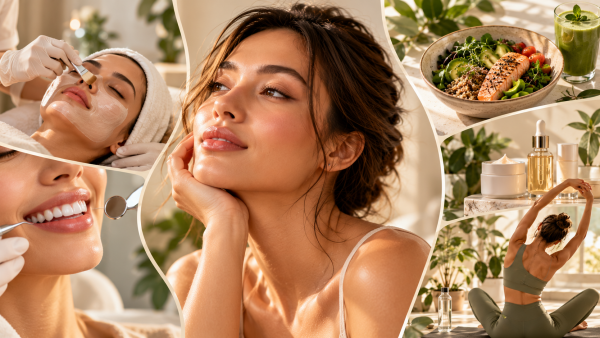
Imagine starting your day with a calm, intentional skincare routine—before any fine lines deepen or uneven tone appears—and ending it with nourishing choices that set you up for lifelong beauty and well-being. Today’s self-care isn’t just about erasing yesterday’s concerns; it’s about anticipating tomorrow’s needs. In this editorial, we explore how adopting a preventive skincare and wellness mindset can empower you to look and feel your best, long before problems arise.Proactive Self-Care: The Rise of Preventive Skincare and Wellness"With today’s beauty landscape shifting from corrective skincare to proactive routines, self-care now means planning ahead, not just fixing what’s visible."An evolving beauty and wellness mindset: Consumers are increasingly prioritizing preventive measures as a central theme in beauty and wellness. Planning ahead through daily routines—rather than waiting for damage to appear—shapes a future where skin health and overall wellbeing are supported at every age.Why early preventive measures matter: Research from reputable gov websites and the growing consensus among skincare professionals emphasizes that consistent early habits yield longer-lasting, more noticeable results. Small steps—like wearing SPF daily or using a gentle antioxidant eye gel—are proving more effective than cycle after cycle of corrective skincare products for avoidable concerns.Observational scenario: A day in the life of the proactive wellness client: Picture a morning where you reach for your antioxidant-rich serum, apply broad-spectrum sunscreen, and hydrate—not just for today’s look, but for the skin and confidence you’ll have in five, ten, or twenty years. Add a balanced breakfast and a moment of mindfulness, and wellness becomes a ritual, not a reaction.What You'll Learn About Preventive Skincare and WellnessDistinctions between preventive and corrective skincareHow to build a proactive skincare routineKey lifestyle practices for holistic wellnessInsights into oral health, nutrition, and aestheticsUnderstanding Preventive Skincare and Wellness vs. Corrective SkincareDefining Preventive Skincare, Preventative Skincare, and Corrective SkincarePrinciples of preventive skincare and wellness: Preventive skincare and wellness center on forming habits and routines that protect, support, and optimize skin health and overall wellbeing before concerns arise. This approach hinges on regular use of preventative skincare products, sun protection, nourishing care products, and consistent healthy choices for lasting results.How preventative skincare routines differ from corrective skincare products: While preventative skincare targets early support—hydration, barrier strengthening, and antioxidant defense—corrective skincare is designed to address visible issues once they occur, such as pigmentation, fine lines, or loss of firmness, often utilizing targeted active ingredients or advanced treatments.Timing: Prevention vs. correction—when each approach is recommended: Prevention begins early and continues daily; it’s a lifelong practice. Correction is often introduced when a specific skin concern becomes apparent. Knowing when to shift focus—to introduce a new skincare product or consult a professional—can keep your regimen relevant as your needs evolve."Prevention is less about responding to signs of damage and more about safeguarding your future skin and wellness—one daily habit at a time."Core Components of Preventive Skincare and Wellness RoutinesSkincare Products and Care Product StrategiesRole of preventative skincare products and essential ingredients: Preventative skincare products—like antioxidant serums, gentle cleansers, peptide-rich moisturizers, and dedicated SPF formulas—form the heart of an effective skincare routine. Key active ingredients such as vitamin C, niacinamide, ceramides, and mineral-based SPF not only shield skin from environmental damage but foster resilience, radiance, and long-term vitality.Integrating antioxidants, SPF, and skin barrier support: Daily use of antioxidant eye gel, broad-spectrum sunscreen, and barrier-strengthening moisturizers helps defend against pollutants, UV rays, and stressors. These care products are suitable for every skin type and can be easily incorporated to ensure comprehensive prevention.How to evolve your skincare routine through the decades: Start with gentle hydration and sun protection in your teens and twenties. As you age, introduce advanced active ingredients like retinol or peptides, and pivot to richer moisturizers or night creams if needed. The regular review of your skincare products based on your skin type and concerns ensures your regimen remains effective.Selecting the right skincare products for daily use: Choose evidence-backed formulas—like a good antioxidant eye gel or barrier-restoring moisturizer—that are appropriate for your skin type. Check professional and gov website recommendations for up-to-date guidance and remember that results come from consistency over time.Skin Tightening and Noninvasive Aesthetic TreatmentsOverview of skin tightening treatments: Noninvasive skin tightening treatments—ranging from radiofrequency therapies to ultrasound and laser skin devices—offer a spectrum of options for preserving skin firmness without downtime. While tightening treatment approaches have become more refined and accessible, expectations should be guided by realistic, evidence-based results.Maintaining firmness—home care vs. clinical options: At-home skincare products with peptides, antioxidants, or light exfoliating acids serve as strong pillars of prevention. Professional treatments, such as targeted laser skin sessions or noninvasive tightening treatments, may complement your skincare routine once signs of aging or laxity appear. Always consult a licensed professional for a personalized treatment plan.Limitations and realistic outcomes: Preventive habits—like diligent SPF usage—can delay visible sagging, but even the best routine has limits. Some skin concerns may ultimately require corrective skincare, dermal fillers, or clinical procedures for optimal improvement. A tailored approach ensures safety and satisfaction.Comparison of Preventive vs. Corrective Skincare and Skin Tightening ApproachesPreventive ApproachCorrective ApproachDaily SPF, antioxidants, hydration; supports barrier and prevents concerns earlyActive ingredients (retinoids, acids); targeted treatments for existing concernsNoninvasive home care products, professional advice, routine checkupsSkin tightening treatments (RF, laser skin, ultrasound), dermal fillersConsistency, lifestyle focus, adaptable across all skin types and agesShort-term correction, variable results, may require downtime or clinical oversightEveryday Preventive Habits Beyond Skincare: Oral, Nutritional, and Mental WellnessPreventive dental care and its connection to overall wellness: Routine dental visits, flossing, and choosing oral care products with professional recommendations form the first line of defense for both your smile and overall health. Preventive dental habits can reduce inflammation, support immune health, and even contribute to skin vitality—demonstrating the interconnectedness of wellness.Nutrition as a foundation for preventive beauty: Hydration and nutrition, including antioxidant-rich foods and collagen-supportive nutrients, are essential for a radiant complexion and resilient body. Prioritizing water, fresh produce, and whole grains complements the best skincare products and enhances results at every stage of life.Mental wellness: Stress management and beauty: Chronic stress is not only harmful to emotional health, but can worsen skin concerns. Incorporating mindfulness, regular movement, and restorative rituals helps balance stress hormones, supports skin barrier function, and sustains long-term beauty and wellness.Integrating Preventive Skincare and Wellness into Your Daily RoutineStart with a simple, consistent skincare routine: Cleanse gently, apply an antioxidant eye gel or serum, moisturize, and finish with a broad-spectrum SPF.Book proactive health and dental visits: Schedule regular checkups beyond skin—oral care and overall health matter for long-term beauty.Incorporate daily movement and mindfulness: Small stretches, yoga, or meditation contribute to wellness from the inside out.Choose skincare and wellness products with evidence-based ingredients: Favor products with clinical data and professional backing—avoid hype from unverified social media claims.Stay informed—ask professionals about preventative options: When new skin concerns or trends arise, consult dermatologists, dentists, or certified wellness experts before making changes.Videos: Preventive Skincare and Wellness in PracticeWatch a step-by-step guided routine showing cleansing, serum application, sunscreen layer, easy stretches, and the assembly of a nutritious breakfast. A professional explains each step’s role in building effective habits for preventive skincare and holistic wellness. Practical, approachable, and designed to fit into busy mornings.Explore what to expect during professional preventive aesthetics appointments. From noninvasive skin tightening treatments to advice on care product selection and lifestyle tweaks, this video provides insight into expert strategies for delaying the need for corrective skincare or more intensive interventions.People Also AskWhat is preventive care and wellness?Preventive care and wellness describes proactive, health-focused habits—like regular use of preventative skincare products, healthy eating, and routine checkups—that aim to address problems before they start. When applied to skincare and beauty, it means adopting a skincare routine that protects, supports, and nurtures your skin and whole self over time. This approach helps preserve long-term appearance and overall wellbeing by building resilience against common skin concerns and health issues.What is the 4 2 4 rule in skincare?The 4 2 4 rule is a Japanese skincare cleansing technique focused on thorough, gentle cleansing. It involves massaging an oil-based cleanser into the skin for four minutes, followed by a water-based cleanser for two minutes, and finishing with a four-minute rinse: two minutes warm, then two minutes cold water. For preventive skincare routines, this gentle, mindful approach helps preserve the skin barrier and ensures all traces of care product and makeup are removed, preparing the face for active ingredients and hydration.What is the 1 vitamin you need after 60 for crepey skin?Vitamin C is especially important for skin health and firmness in mature adults. It supports the skin’s natural collagen production, helps protect against environmental damage, and promotes bright, even skin tone. Including vitamin C—both in your diet and as part of a preventative skincare product—offers real benefits for maintaining resilient, smooth skin as part of a comprehensive wellness plan.What is the Japanese secret to slow aging?Japan’s approach to slow aging reflects preventive, holistic rituals: a diet rich in fish, sea vegetables, and antioxidants; diligent sun protection; and gentle skincare routines that prioritize hydration and barrier support. Emphasizing lifelong habits over quick fixes, this philosophy favors small daily practices—like double cleansing, regular SPF use, and mindful eating—for graceful, lasting beauty.FAQs: Preventive Skincare and WellnessAt what age should I start a preventive skincare routine?The sooner you begin preventive habits—like daily sunscreen, gentle cleansing, and basic hydration—the longer you’ll reap rewards. Many dermatologists recommend starting in the teen years, but it’s never too late to adopt a preventative skincare routine consistent with your skin type and needs.Are preventive skin tightening treatments safe?Most noninvasive skin tightening treatments are tested for safety when performed by qualified professionals. However, individual suitability, outcomes, and product of the month variations should be discussed with a certified dermatologist or clinician familiar with your history and concerns.How can I know if a wellness trend is evidence-based?Seek out recommendations supported by clinical studies, ask your provider for references to reputable gov websites or published research, and be wary of dramatic promises from unverified social media accounts.Is preventive care product selection different for sensitive skin?Yes, if you have sensitive or reactive skin, choose fragrance-free, hypoallergenic skincare products with simple ingredient lists. Test new preventative skincare products in a small area first and consult with a professional if unsure.Which professional should oversee my preventive skincare and wellness plan?It’s best to seek guidance from licensed dermatologists, estheticians, or other credentialed professionals with experience in both preventive and corrective skincare. For overlapping concerns, collaboration with dental and nutrition experts may be helpful.Key Takeaways from the Preventive Skincare and Wellness TrendBeing proactive with skincare and wellness provides long-term benefitsIntegrating proven lifestyle habits is as important as products or treatmentsWork with credible professionals for tailored preventive strategiesElevate Your Preventive Skincare and Wellness JourneyReady to take a more proactive approach? Start with your daily routines, seek expert guidance, and stay curious about evolving wellness science.Conclusion: Taking charge of your skincare and wellness journey with a preventive mindset ensures healthier, more resilient beauty—one intentional day at a time.

Verve Aesthetics Studio

Verve Aesthetics Studio focuses on all things Aesthetic for Upscale Urban Professionals. 


(317) 558-8936

AVAILABLE FROM 8AM - 5PM EST


99 Monon Boulevard, Carmel, IN 46032

ABOUT US

Verve Aesthetics Studio celebrates the people and businesses shaping beauty, aesthetics, and wellness.

© 2026 Verve Aesthetics Studio All Rights Reserved. 99 Monon Boulevard, Carmel, Indiana 46032 . Contact Us . Terms of Service . Privacy Policy

eyJjb21wYW55IjoiVmVydmUgQWVzdGhldGljcyBTdHVkaW8iLCJhZGRyZXNzIjoiOTkgTW9ub24gQm91bGV2YXJkIiwiY2l0eSI6IkNhcm1lbCIsInN0YXRlIjoiSW5kaWFuYSIsInppcCI6IjQ2MDMyIiwiZW1haWwiOiJhZWRpdG9yQHZlcnZlYWVzdGhldGljcy5zdHVkaW8iLCJ0b3MiOiJQSEErVkdWeWJYTWdiMllnVTJWeWRtbGpaVHhpY2lBdlBnbzhZbklnTHo0S1RHRnpkQ0JWY0dSaGRHVmtPaUJUWlhCMFpXMWlaWElnTVRnc0lESXdNalk4WW5JZ0x6NEtQR0p5SUM4K0NsZGxiR052YldVZ2RHOGdWbVZ5ZG1VZ1FXVnpkR2hsZEdsamN5QlRkSFZrYVc4dUlGUm9aWE5sSUZSbGNtMXpJRzltSUZObGNuWnBZMlVnWjI5MlpYSnVJSGx2ZFhJZ1lXTmpaWE56SUhSdklHRnVaQ0IxYzJVZ2IyWWdkR2hsSUZabGNuWmxJRUZsYzNSb1pYUnBZM01nVTNSMVpHbHZJSGRsWW5OcGRHVXNJR052Ym5SbGJuUXNJSE5sY25acFkyVnpMQ0JoYm1RZ2NtVnNZWFJsWkNCdFlYUmxjbWxoYkhNdUptNWljM0E3UEdKeUlDOCtDanhpY2lBdlBncENlU0JoWTJObGMzTnBibWNnYjNJZ2RYTnBibWNnYjNWeUlIZGxZbk5wZEdVc0lIbHZkU0JoWjNKbFpTQjBieUIwYUdWelpTQlVaWEp0Y3k0Z1NXWWdlVzkxSUdSdklHNXZkQ0JoWjNKbFpTQjNhWFJvSUdGdWVTQndZWEowSUc5bUlIUm9aWE5sSUZSbGNtMXpMQ0J3YkdWaGMyVWdaRzhnYm05MElIVnpaU0IwYUdVZ2QyVmljMmwwWlM0OFluSWdMejRLUEdKeUlDOCtDakV1SUVGaWIzVjBJRlpsY25abElFRmxjM1JvWlhScFkzTWdVM1IxWkdsdlBHSnlJQzgrQ2xabGNuWmxJRUZsYzNSb1pYUnBZM01nVTNSMVpHbHZJR2x6SUdGdUlHVmthWFJ2Y21saGJDQmhibVFnYldWa2FXRWdjR3hoZEdadmNtMGdabTlqZFhObFpDQnZiaUJrYjJOMWJXVnVkR2x1WnlCaGJtUWdhR2xuYUd4cFoyaDBhVzVuSUhCbGIzQnNaU3dnY0d4aFkyVnpMQ0JpZFhOcGJtVnpjMlZ6TENCelpYSjJhV05sY3l3Z1lXNWtJR055WVdaMGMyMWhibk5vYVhBZ2QybDBhR2x1SUhSb1pTQmhaWE4wYUdWMGFXTnpMQ0JpWldGMWRIa3NJSGRsYkd4dVpYTnpMQ0JoYm1RZ2NtVnNZWFJsWkNCcGJtUjFjM1J5YVdWekxqeGljaUF2UGdwV1pYSjJaU0J3Y205MmFXUmxjeUJsWkdsMGIzSnBZV3dnWm1WaGRIVnlaWE1zSUdGeWRHbGpiR1Z6TENCaWRYTnBibVZ6Y3lCd2NtOW1hV3hsY3l3Z2FXNTBaWEoyYVdWM2N5d2djSEp2Ylc5MGFXOXVZV3dnYldGMFpYSnBZV3h6TENCaGJtUWdiM1JvWlhJZ2JXVmthV0VnWTI5dWRHVnVkQzQ4WW5JZ0x6NEtWbVZ5ZG1VZ2FYTWdibTkwSUdFZ2JXVmthV05oYkNCd2NtOTJhV1JsY2l3Z2FHVmhiSFJvWTJGeVpTQndjbTkyYVdSbGNpd2diV1ZrYVdOaGJDQmhaSFpwWTJVZ2MyVnlkbWxqWlN3Z2IzSWdhR1ZoYkhSb1kyRnlaU0J3Y205bVpYTnphVzl1WVd3dUlFTnZiblJsYm5RZ2NIVmliR2x6YUdWa0lHOXVJSFJvYVhNZ2QyVmljMmwwWlNCcGN5QnBiblJsYm1SbFpDQm1iM0lnWjJWdVpYSmhiQ0JwYm1admNtMWhkR2x2Ym1Gc0lHRnVaQ0JsWkdsMGIzSnBZV3dnY0hWeWNHOXpaWE1nYjI1c2VTNDhZbklnTHo0S1BHSnlJQzgrQ2pJdUlGVnpaU0J2WmlCUGRYSWdWMlZpYzJsMFpUeGljaUF2UGdwWmIzVWdiV0Y1SUhWelpTQjBhR1VnZDJWaWMybDBaU0JtYjNJZ2JHRjNablZzSUhCMWNuQnZjMlZ6SUdGdVpDQnBiaUJoWTJOdmNtUmhibU5sSUhkcGRHZ2dkR2hsYzJVZ1ZHVnliWE11UEdKeUlDOCtDbGx2ZFNCaFozSmxaU0J1YjNRZ2RHODZQR0p5SUM4K0NsVnpaU0IwYUdVZ2QyVmljMmwwWlNCbWIzSWdZVzU1SUhWdWJHRjNablZzSUc5eUlHWnlZWFZrZFd4bGJuUWdjSFZ5Y0c5elpTNDhZbklnTHo0S1FYUjBaVzF3ZENCMGJ5Qm5ZV2x1SUhWdVlYVjBhRzl5YVhwbFpDQmhZMk5sYzNNZ2RHOGdiM1Z5SUhkbFluTnBkR1VzSUhONWMzUmxiWE1zSUc5eUlHRmpZMjkxYm5SekxqeGljaUF2UGdwSmJuUmxjbVpsY21VZ2QybDBhQ0IwYUdVZ2IzQmxjbUYwYVc5dUlHOXlJSE5sWTNWeWFYUjVJRzltSUhSb1pTQjNaV0p6YVhSbExqeGljaUF2UGdwRGIzQjVMQ0J5WlhCeWIyUjFZMlVzSUdScGMzUnlhV0oxZEdVc0lHOXlJR1Y0Y0d4dmFYUWdiM1Z5SUdOdmJuUmxiblFnZDJsMGFHOTFkQ0J3WlhKdGFYTnphVzl1TGp4aWNpQXZQZ3BWYzJVZ2IzVnlJR052Ym5SbGJuUXNJR0p5WVc1a2FXNW5MQ0J2Y2lCdFlYUmxjbWxoYkhNZ2FXNGdZU0IzWVhrZ2RHaGhkQ0J6ZFdkblpYTjBjeUJoYmlCMWJtRjFkR2h2Y21sNlpXUWdjR0Z5ZEc1bGNuTm9hWEFnYjNJZ1pXNWtiM0p6WlcxbGJuUXVQR0p5SUM4K0NsTjFZbTFwZENCcGJtWnZjbTFoZEdsdmJpQjBhR0YwSUdseklHdHViM2RwYm1kc2VTQm1ZV3h6WlN3Z2JXbHpiR1ZoWkdsdVp5d2daR1ZtWVcxaGRHOXllU3dnYjNJZ2RXNXNZWGRtZFd3dVBHSnlJQzgrQ2xWd2JHOWhaQ0J2Y2lCMGNtRnVjMjFwZENCdFlXeHBZMmx2ZFhNZ2MyOW1kSGRoY21Vc0lIWnBjblZ6WlhNc0lHOXlJRzkwYUdWeUlHaGhjbTFtZFd3Z2JXRjBaWEpwWVd3dVBHSnlJQzgrQ2xkbElISmxjMlZ5ZG1VZ2RHaGxJSEpwWjJoMElIUnZJSEpsYzNSeWFXTjBJRzl5SUhSbGNtMXBibUYwWlNCaFkyTmxjM01nZEc4Z2RHaGxJSGRsWW5OcGRHVWdhV1lnZDJVZ1ltVnNhV1YyWlNCMGFHVnpaU0JVWlhKdGN5Qm9ZWFpsSUdKbFpXNGdkbWx2YkdGMFpXUXVQR0p5SUM4K0NqeGljaUF2UGdvekxpQkZaR2wwYjNKcFlXd2dRMjl1ZEdWdWREeGljaUF2UGdwV1pYSjJaU0J0WVhrZ2NIVmliR2x6YUNCaGNuUnBZMnhsY3l3Z1luVnphVzVsYzNNZ2NISnZabWxzWlhNc0lHbHVkR1Z5ZG1sbGQzTXNJSEJvYjNSdlozSmhjR2h6TENCMmFXUmxiM01zSUhGMWIzUmxjeXdnWVc1a0lHOTBhR1Z5SUdWa2FYUnZjbWxoYkNCdFlYUmxjbWxoYkhNZ1lXSnZkWFFnWW5WemFXNWxjM05sY3l3Z2NISnZabVZ6YzJsdmJtRnNjeXdnYjNKbllXNXBlbUYwYVc5dWN5d2dZVzVrSUdsdVpHbDJhV1IxWVd4ekxqeGljaUF2UGdwRlpHbDBiM0pwWVd3Z1kyOXVkR1Z1ZENCdFlYa2dZbVVnWTNKbFlYUmxaQ0IxYzJsdVp5QnBibVp2Y20xaGRHbHZiaUJ3Y205MmFXUmxaQ0JpZVNCaWRYTnBibVZ6YzJWeklHOXlJR2RoZEdobGNtVmtJR1p5YjIwZ2NIVmliR2xqYkhrZ1lYWmhhV3hoWW14bElITnZkWEpqWlhNdVBHSnlJQzgrQ2xkb2FXeGxJSGRsSUcxaGEyVWdjbVZoYzI5dVlXSnNaU0JsWm1admNuUnpJSFJ2SUhCeVpYTmxiblFnYVc1bWIzSnRZWFJwYjI0Z1lXTmpkWEpoZEdWc2VTd2dkMlVnWkc4Z2JtOTBJR2QxWVhKaGJuUmxaU0IwYUdGMElHVjJaWEo1SUhCcFpXTmxJRzltSUdsdVptOXliV0YwYVc5dUlIQjFZbXhwYzJobFpDQnZiaUIwYUdVZ2QyVmljMmwwWlNCcGN5QmpiMjF3YkdWMFpTd2dZM1Z5Y21WdWRDd2diM0lnWlhKeWIzSXRabkpsWlM0OFluSWdMejRLUW5WemFXNWxjM05sY3lCaGJtUWdhVzVrYVhacFpIVmhiSE1nWm1WaGRIVnlaV1FnWW5rZ1ZtVnlkbVVnWVhKbElISmxjM0J2Ym5OcFlteGxJR1p2Y2lCeVpYWnBaWGRwYm1jZ2FXNW1iM0p0WVhScGIyNGdkR2hsZVNCd2NtOTJhV1JsSUhSdklIVnpJR0Z1WkNCdWIzUnBabmxwYm1jZ2RYTWdiMllnYldGMFpYSnBZV3dnYVc1aFkyTjFjbUZqYVdWekxqeGljaUF2UGdwUWRXSnNhV05oZEdsdmJpQnZaaUJoSUdKMWMybHVaWE56SUc5eUlHbHVaR2wyYVdSMVlXd2daRzlsY3lCdWIzUWdibVZqWlhOellYSnBiSGtnWTI5dWMzUnBkSFYwWlNCaGJpQmxibVJ2Y25ObGJXVnVkQ3dnWTJWeWRHbG1hV05oZEdsdmJpd2daM1ZoY21GdWRHVmxMQ0J2Y2lCeVpXTnZiVzFsYm1SaGRHbHZiaUJpZVNCV1pYSjJaUzQ4WW5JZ0x6NEtQR0p5SUM4K0NqUXVJRUoxYzJsdVpYTnpJRVpsWVhSMWNtVnpJR0Z1WkNCVGRXSnRhWE56YVc5dWN6eGljaUF2UGdwQ2RYTnBibVZ6YzJWeklHMWhlU0JpWlNCcGJuWnBkR1ZrSUhSdklIQmhjblJwWTJsd1lYUmxJR2x1SUdOdmJYQnNhVzFsYm5SaGNua2diM0lnY0dGcFpDQmxaR2wwYjNKcFlXd2dabVZoZEhWeVpYTXVQR0p5SUM4K0NrbG1JSGx2ZFNCd2NtOTJhV1JsSUdsdVptOXliV0YwYVc5dUxDQnhkVzkwWlhNc0lIQm9iM1J2WjNKaGNHaHpMQ0JzYjJkdmN5d2diR2x1YTNNc0lHOXlJRzkwYUdWeUlHMWhkR1Z5YVdGc2N5QjBieUJXWlhKMlpTQW9KbXhrY1hWdk8xTjFZbTFwZEhSbFpDQk5ZWFJsY21saGJITW1jbVJ4ZFc4N0tTd2dlVzkxSUhKbGNISmxjMlZ1ZENCMGFHRjBPanhpY2lBdlBncFpiM1VnYUdGMlpTQjBhR1VnY21sbmFIUWdkRzhnY0hKdmRtbGtaU0IwYUdVZ2JXRjBaWEpwWVd4eklIUnZJSFZ6TGp4aWNpQXZQZ3BVYUdVZ2JXRjBaWEpwWVd4eklHUnZJRzV2ZENCcmJtOTNhVzVuYkhrZ2RtbHZiR0YwWlNCaGJtOTBhR1Z5SUhCbGNuTnZiaVlqTXprN2N5QnBiblJsYkd4bFkzUjFZV3dnY0hKdmNHVnlkSGtnYjNJZ2IzUm9aWElnY21sbmFIUnpManhpY2lBdlBncFVhR1VnYVc1bWIzSnRZWFJwYjI0Z2NISnZkbWxrWldRZ2FYTWdZV05qZFhKaGRHVWdkRzhnZEdobElHSmxjM1FnYjJZZ2VXOTFjaUJyYm05M2JHVmtaMlV1UEdKeUlDOCtDbGx2ZFNCb1lYWmxJSEJsY20xcGMzTnBiMjRnZEc4Z2NISnZkbWxrWlNCaGJua2djR2h2ZEc5bmNtRndhSE1zSUd4dloyOXpMQ0J6ZEdGMFpXMWxiblJ6TENCdmNpQnZkR2hsY2lCdFlYUmxjbWxoYkhNZ1ltVnNiMjVuYVc1bklIUnZJSGx2ZFhJZ1luVnphVzVsYzNNZ2IzSWdiM0puWVc1cGVtRjBhVzl1TGp4aWNpQXZQZ3BDZVNCemRXSnRhWFIwYVc1bklHMWhkR1Z5YVdGc2N5QjBieUJXWlhKMlpTd2dlVzkxSUdkeVlXNTBJRlpsY25abElIQmxjbTFwYzNOcGIyNGdkRzhnZFhObExDQnlaWEJ5YjJSMVkyVXNJR1ZrYVhRc0lIQjFZbXhwYzJnc0lHUnBjM0JzWVhrc0lHRnVaQ0JrYVhOMGNtbGlkWFJsSUhSb2IzTmxJRzFoZEdWeWFXRnNjeUJoY3lCeVpXRnpiMjVoWW14NUlHNWxZMlZ6YzJGeWVTQjBieUJqY21WaGRHVWdZVzVrSUhCeWIyMXZkR1VnZEdobElISmxjWFZsYzNSbFpDQmxaR2wwYjNKcFlXd2dabVZoZEhWeVpTQnZjaUJ5Wld4aGRHVmtJR052Ym5SbGJuUXVQR0p5SUM4K0NqeGljaUF2UGdvMUxpQkZaR2wwYjNKcFlXd2dVbVYyYVdWM0lHRnVaQ0JEYUdGdVoyVnpQR0p5SUM4K0NsWmxjblpsSUhKbGMyVnlkbVZ6SUhSb1pTQnlhV2RvZENCMGJ5QmxaR2wwSUhOMVltMXBkSFJsWkNCdFlYUmxjbWxoYkhNZ1ptOXlJR2R5WVcxdFlYSXNJSE53Wld4c2FXNW5MQ0JtYjNKdFlYUjBhVzVuTENCc1pXNW5kR2dzSUdOc1lYSnBkSGtzSUhOMGVXeGxMQ0JoYm1RZ1pXUnBkRzl5YVdGc0lHTnZibk5wYzNSbGJtTjVManhpY2lBdlBncFhaU0J0WVhrZ1lXeHpieUJrWldOc2FXNWxJSFJ2SUhCMVlteHBjMmdzSUcxdlpHbG1lU3dnZFhCa1lYUmxMQ0J2Y2lCeVpXMXZkbVVnWTI5dWRHVnVkQ0JoZENCdmRYSWdaR2x6WTNKbGRHbHZiaTQ4WW5JZ0x6NEtVR0Z5ZEdsamFYQmhkR2x2YmlCcGJpQmhJR1psWVhSMWNtVWdaRzlsY3lCdWIzUWdaM1ZoY21GdWRHVmxJR0VnY0dGeWRHbGpkV3hoY2lCd2RXSnNhV05oZEdsdmJpQmtZWFJsTENCd2JHRmpaVzFsYm5Rc0lHRjFaR2xsYm1ObElITnBlbVVzSUhObFlYSmphQzFsYm1kcGJtVWdjbUZ1YTJsdVp5d2djMjlqYVdGc0xXMWxaR2xoSUhKbFlXTm9MQ0IwY21GbVptbGpJR3hsZG1Wc0xDQnNaV0ZrY3l3Z2MyRnNaWE1zSUc5eUlHOTBhR1Z5SUdKMWMybHVaWE56SUhKbGMzVnNkQzQ4TDNBK0NnbzhjRDQyTGlCQlkyTjFjbUZqZVNCdlppQkNkWE5wYm1WemN5QkpibVp2Y20xaGRHbHZianhpY2lBdlBncENkWE5wYm1WemMyVnpJR1psWVhSMWNtVmtJRzl1SUZabGNuWmxJR0Z5WlNCeVpYTndiMjV6YVdKc1pTQm1iM0lnWlc1emRYSnBibWNnZEdoaGRDQjBhR1ZwY2lCaWRYTnBibVZ6Y3lCcGJtWnZjbTFoZEdsdmJpQnBjeUJoWTJOMWNtRjBaUzQ4WW5JZ0x6NEtWR2hwY3lCdFlYa2dhVzVqYkhWa1pTQnBibVp2Y20xaGRHbHZiaUJ6ZFdOb0lHRnpPanhpY2lBdlBncENkWE5wYm1WemN5QnVZVzFsUEdKeUlDOCtDa0ZrWkhKbGMzTThZbklnTHo0S1VHaHZibVVnYm5WdFltVnlQR0p5SUM4K0NsZGxZbk5wZEdVOFluSWdMejRLU0c5MWNuTWdiMllnYjNCbGNtRjBhVzl1UEdKeUlDOCtDbE5sY25acFkyVnpQR0p5SUM4K0NsQnlhV05wYm1jOFluSWdMejRLUTI5dWRHRmpkQ0JwYm1admNtMWhkR2x2Ymp4aWNpQXZQZ3BQZEdobGNpQndkV0pzYVdOc2VTQmthWE53YkdGNVpXUWdZblZ6YVc1bGMzTWdaR1YwWVdsc2N6eGljaUF2UGdwSlppQjViM1VnYVdSbGJuUnBabmtnWVc0Z2FXNWhZMk4xY21GMFpTQnZjaUJ2ZFhSa1lYUmxaQ0JpZFhOcGJtVnpjeUJrWlhSaGFXd3NJSGx2ZFNCdFlYa2dZMjl1ZEdGamRDQldaWEoyWlNCMGJ5QnlaWEYxWlhOMElHRWdZMjl5Y21WamRHbHZiaTQ4WW5JZ0x6NEtWbVZ5ZG1VZ2JXRjVJSEpsZG1sbGR5QmpiM0p5WldOMGFXOXVJSEpsY1hWbGMzUnpJR0psWm05eVpTQnRZV3RwYm1jZ1kyaGhibWRsY3k0OFluSWdMejRLUEdKeUlDOCtDamN1SUZCeWIyMXZkR2x2Ym1Gc0lFWmxZWFIxY21WeklHRnVaQ0JRY21WemN5QkxhWFJ6UEdKeUlDOCtDbFpsY25abElHMWhlU0J2Wm1abGNpQmlkWE5wYm1WemMyVnpJR0ZrWkdsMGFXOXVZV3dnY0hKdmJXOTBhVzl1WVd3Z2IzQndiM0owZFc1cGRHbGxjeXdnYVc1amJIVmthVzVuSUhCeVpYTnpJR3RwZEhNc0lITnZZMmxoYkMxdFpXUnBZU0J3Y205dGIzUnBiMjVoYkNCdFlYUmxjbWxoYkhNc0lIZGxZbk5wZEdVZ2NHeGhZMlZ0Wlc1MExDQmxaR2wwYjNKcFlXd2dkbWx6YVdKcGJHbDBlU3dnYjNJZ2IzUm9aWElnY0hKdmJXOTBhVzl1WVd3Z2MyVnlkbWxqWlhNdVBHSnlJQzgrQ2tGdWVTQndZV2xrSUhCeWIyMXZkR2x2Ym1Gc0lITmxjblpwWTJVZ2QybHNiQ0JpWlNCemRXSnFaV04wSUhSdklIUm9aU0JoY0hCc2FXTmhZbXhsSUdSbGMyTnlhWEIwYVc5dUxDQndjbWxqYVc1bkxDQmhibVFnZEdWeWJYTWdjSEpsYzJWdWRHVmtJR0YwSUhSb1pTQjBhVzFsSUc5bUlIQjFjbU5vWVhObElHOXlJR0ZuY21WbGJXVnVkQzQ4WW5JZ0x6NEtVR0Y1YldWdWRDQm1iM0lnWVNCd2NtOXRiM1JwYjI1aGJDQnpaWEoyYVdObElHUnZaWE1nYm05MElHZDFZWEpoYm5SbFpTQnpjR1ZqYVdacFl5QmlkWE5wYm1WemN5QnlaWE4xYkhSekxDQnBibU5zZFdScGJtY2diR1ZoWkhNc0lHTjFjM1J2YldWeWN5d2djMkZzWlhNc0lIZGxZbk5wZEdVZ2RISmhabVpwWXl3Z2MyVmhjbU5vSUhKaGJtdHBibWR6TENCdmNpQnpiMk5wWVd3dGJXVmthV0VnWlc1bllXZGxiV1Z1ZEM0OFluSWdMejRLUEdKeUlDOCtDamd1SUVsdWRHVnNiR1ZqZEhWaGJDQlFjbTl3WlhKMGVUeGljaUF2UGdwVmJteGxjM01nYjNSb1pYSjNhWE5sSUhOMFlYUmxaQ3dnZEdobElGWmxjblpsSUhkbFluTnBkR1VnWVc1a0lHbDBjeUJ2Y21sbmFXNWhiQ0JqYjI1MFpXNTBMQ0JwYm1Oc2RXUnBibWNnWVhKMGFXTnNaWE1zSUhSbGVIUXNJR2R5WVhCb2FXTnpMQ0JzYjJkdmN5d2daR1Z6YVdkdUlHVnNaVzFsYm5SekxDQndhRzkwYjJkeVlYQm9jeXdnZG1sa1pXOXpMQ0JzWVhsdmRYUnpMQ0JoYm1RZ1luSmhibVJwYm1jc0lHRnlaU0J2ZDI1bFpDQmllU0J2Y2lCc2FXTmxibk5sWkNCMGJ5QldaWEoyWlNCaGJtUWdZWEpsSUhCeWIzUmxZM1JsWkNCaWVTQmhjSEJzYVdOaFlteGxJR2x1ZEdWc2JHVmpkSFZoYkNCd2NtOXdaWEowZVNCc1lYZHpManhpY2lBdlBncFpiM1VnYldGNUlIWnBaWGNnWVc1a0lHRmpZMlZ6Y3lCV1pYSjJaU0JqYjI1MFpXNTBJR1p2Y2lCd1pYSnpiMjVoYkNCdmNpQnBibVp2Y20xaGRHbHZibUZzSUhCMWNuQnZjMlZ6TGp4aWNpQXZQZ3BaYjNVZ2JXRjVJRzV2ZENCeVpYQnliMlIxWTJVc0lISmxjSFZpYkdsemFDd2diVzlrYVdaNUxDQmthWE4wY21saWRYUmxMQ0J6Wld4c0xDQndkV0pzYVdOc2VTQmthWE53YkdGNUxDQnZjaUJqYjIxdFpYSmphV0ZzYkhrZ1pYaHdiRzlwZENCV1pYSjJaUzF2ZDI1bFpDQmpiMjUwWlc1MElIZHBkR2h2ZFhRZ2NISnBiM0lnZDNKcGRIUmxiaUJ3WlhKdGFYTnphVzl1TGp4aWNpQXZQZ3BDZFhOcGJtVnpjMlZ6SUcxaGVTQnphR0Z5WlNCc2FXNXJjeUIwYnlCMGFHVnBjaUJ3ZFdKc2FYTm9aV1FnVm1WeWRtVWdabVZoZEhWeVpYTWdabTl5SUhCeWIyMXZkR2x2Ym1Gc0lIQjFjbkJ2YzJWekxDQndjbTkyYVdSbFpDQjBhR0YwSUhSb1pTQmpiMjUwWlc1MElHbHpJRzV2ZENCaGJIUmxjbVZrSUc5eUlIQnlaWE5sYm5SbFpDQnBiaUJoSUcxcGMyeGxZV1JwYm1jZ2JXRnVibVZ5TGp4aWNpQXZQZ284WW5JZ0x6NEtPUzRnVkdocGNtUXRVR0Z5ZEhrZ1YyVmljMmwwWlhNZ1lXNWtJRk5sY25acFkyVnpQR0p5SUM4K0NsUm9aU0JXWlhKMlpTQjNaV0p6YVhSbElHMWhlU0JqYjI1MFlXbHVJR3hwYm10eklIUnZJSFJvYVhKa0xYQmhjblI1SUhkbFluTnBkR1Z6TENCd2JHRjBabTl5YlhNc0lHSjFjMmx1WlhOelpYTXNJRzl5SUhObGNuWnBZMlZ6TGp4aWNpQXZQZ3BVYUdWelpTQnNhVzVyY3lCaGNtVWdjSEp2ZG1sa1pXUWdabTl5SUdOdmJuWmxibWxsYm1ObElHRnVaQ0JwYm1admNtMWhkR2x2Ym1Gc0lIQjFjbkJ2YzJWekxpQldaWEoyWlNCa2IyVnpJRzV2ZENCamIyNTBjbTlzSUc5eUlHZDFZWEpoYm5SbFpTQjBhR1VnWVdOamRYSmhZM2tzSUdGMllXbHNZV0pwYkdsMGVTd2djMlZqZFhKcGRIa3NJRzl5SUhCdmJHbGphV1Z6SUc5bUlIUm9hWEprTFhCaGNuUjVJSGRsWW5OcGRHVnpManhpY2lBdlBncFpiM1Z5SUhWelpTQnZaaUIwYUdseVpDMXdZWEowZVNCM1pXSnphWFJsY3lCcGN5Qm5iM1psY201bFpDQmllU0IwYUdVZ2RHVnliWE1nWVc1a0lIQnZiR2xqYVdWeklHOW1JSFJvYjNObElIZGxZbk5wZEdWekxqeGljaUF2UGdvOFluSWdMejRLTVRBdUlFaGxZV3gwYUNCaGJtUWdWMlZzYkc1bGMzTWdSR2x6WTJ4aGFXMWxjanhpY2lBdlBncFRiMjFsSUZabGNuWmxJR052Ym5SbGJuUWdiV0Y1SUdScGMyTjFjM01nWVdWemRHaGxkR2xqY3l3Z2MydHBibU5oY21Vc0lHSmxZWFYwZVN3Z2QyVnNiRzVsYzNNc0lHTm9hWEp2Y0hKaFkzUnBZeUJ6WlhKMmFXTmxjeXdnWTI5emJXVjBhV01nY0hKdlkyVmtkWEpsY3l3Z2IzSWdiM1JvWlhJZ2FHVmhiSFJvTFhKbGJHRjBaV1FnZEc5d2FXTnpManhpY2lBdlBncFRkV05vSUdOdmJuUmxiblFnYVhNZ2NISnZkbWxrWldRZ1ptOXlJR2RsYm1WeVlXd2dhVzVtYjNKdFlYUnBiMjVoYkNCaGJtUWdaV1JwZEc5eWFXRnNJSEIxY25CdmMyVnpJRzl1YkhrZ1lXNWtJSE5vYjNWc1pDQnViM1FnWW1VZ1kyOXVjMmxrWlhKbFpDQnRaV1JwWTJGc0xDQndjbTltWlhOemFXOXVZV3dzSUdScFlXZHViM04wYVdNc0lHOXlJSFJ5WldGMGJXVnVkQ0JoWkhacFkyVXVQR0p5SUM4K0NsWmxjblpsSUdSdlpYTWdibTkwSUhCeWIzWnBaR1VnYldWa2FXTmhiQ0JoWkhacFkyVWdiM0lnWlhOMFlXSnNhWE5vSUdFZ1pHOWpkRzl5TFhCaGRHbGxiblFzSUhCeWIzWnBaR1Z5TFhCaGRHbGxiblFzSUc5eUlHOTBhR1Z5SUhCeWIyWmxjM05wYjI1aGJDQnlaV3hoZEdsdmJuTm9hWEFnZEdoeWIzVm5hQ0IwYUdVZ2QyVmljMmwwWlM0OFluSWdMejRLVW1WaFpHVnljeUJ6YUc5MWJHUWdZMjl1YzNWc2RDQmhiaUJoY0hCeWIzQnlhV0YwWld4NUlIRjFZV3hwWm1sbFpDQndjbTltWlhOemFXOXVZV3dnY21WbllYSmthVzVuSUhGMVpYTjBhVzl1Y3lCaFltOTFkQ0IwYUdWcGNpQnBibVJwZG1sa2RXRnNJR2hsWVd4MGFDd2dkSEpsWVhSdFpXNTBMQ0J2Y2lCamFYSmpkVzF6ZEdGdVkyVnpManhpY2lBdlBnbzhZbklnTHo0S01URXVJRTV2SUVkMVlYSmhiblJsWlNCdlppQlNaWE4xYkhSelBHSnlJQzgrQ2xabGNuWmxJR1J2WlhNZ2JtOTBJR2QxWVhKaGJuUmxaU0IwYUdGMElIUm9aU0IxYzJVZ2IyWWdiM1Z5SUhkbFluTnBkR1VzSUdWa2FYUnZjbWxoYkNCbVpXRjBkWEpsY3l3Z2NISnZiVzkwYVc5dVlXd2djMlZ5ZG1salpYTXNJRzl5SUhCMVlteHBjMmhsWkNCamIyNTBaVzUwSUhkcGJHd2djbVZ6ZFd4MElHbHVPanhpY2lBdlBncEpibU55WldGelpXUWdZM1Z6ZEc5dFpYSnpJRzl5SUdOc2FXVnVkSE04WW5JZ0x6NEtTVzVqY21WaGMyVmtJSE5oYkdWeklHOXlJSEpsZG1WdWRXVThZbklnTHo0S1NXNWpjbVZoYzJWa0lIZGxZbk5wZEdVZ2RISmhabVpwWXp4aWNpQXZQZ3BKYlhCeWIzWmxaQ0J6WldGeVkyZ3RaVzVuYVc1bElISmhibXRwYm1kelBHSnlJQzgrQ2tsdVkzSmxZWE5sWkNCemIyTnBZV3d0YldWa2FXRWdaVzVuWVdkbGJXVnVkRHhpY2lBdlBncEpibU55WldGelpXUWdkbWx6YVdKcGJHbDBlVHhpY2lBdlBncE1aV0ZrY3lCdmNpQmhjSEJ2YVc1MGJXVnVkSE04WW5JZ0x6NEtRVzU1SUhCaGNuUnBZM1ZzWVhJZ2JXRnlhMlYwYVc1bklHOXlJR0oxYzJsdVpYTnpJRzkxZEdOdmJXVThZbklnTHo0S1VtVnpkV3gwY3lCdFlYa2dkbUZ5ZVNCa1pYQmxibVJwYm1jZ2IyNGdiblZ0WlhKdmRYTWdabUZqZEc5eWN5QnZkWFJ6YVdSbElHOW1JRlpsY25abEppTXpPVHR6SUdOdmJuUnliMnd1UEdKeUlDOCtDanhpY2lBdlBnb3hNaTRnUkdselkyeGhhVzFsY2lCdlppQlhZWEp5WVc1MGFXVnpQR0p5SUM4K0NsUm9aU0IzWldKemFYUmxJR0Z1WkNCcGRITWdZMjl1ZEdWdWRDQmhjbVVnY0hKdmRtbGtaV1FnYjI0Z1lXNGdKbXhrY1hWdk8yRnpJR2x6Sm5Ka2NYVnZPeUJoYm1RZ0pteGtjWFZ2TzJGeklHRjJZV2xzWVdKc1pTWnlaSEYxYnpzZ1ltRnphWE11UEdKeUlDOCtDbFJ2SUhSb1pTQmxlSFJsYm5RZ2NHVnliV2wwZEdWa0lHSjVJR3hoZHl3Z1ZtVnlkbVVnYldGclpYTWdibThnZDJGeWNtRnVkR2xsY3l3Z1pYaHdjbVZ6Y3lCdmNpQnBiWEJzYVdWa0xDQnlaV2RoY21ScGJtY2dkR2hsSUhkbFluTnBkR1VtSXpNNU8zTWdZWFpoYVd4aFltbHNhWFI1TENCaFkyTjFjbUZqZVN3Z1kyOXRjR3hsZEdWdVpYTnpMQ0J5Wld4cFlXSnBiR2wwZVN3Z2IzSWdjM1ZwZEdGaWFXeHBkSGtnWm05eUlHRWdjR0Z5ZEdsamRXeGhjaUJ3ZFhKd2IzTmxManhpY2lBdlBncFhaU0JrYnlCdWIzUWdaM1ZoY21GdWRHVmxJSFJvWVhRZ2RHaGxJSGRsWW5OcGRHVWdkMmxzYkNCaGJIZGhlWE1nWW1VZ1lYWmhhV3hoWW14bExDQjFibWx1ZEdWeWNuVndkR1ZrTENCelpXTjFjbVVzSUc5eUlHWnlaV1VnWm5KdmJTQmxjbkp2Y25NZ2IzSWdhR0Z5YldaMWJDQmpiMjF3YjI1bGJuUnpManhpY2lBdlBnbzhZbklnTHo0S01UTXVJRXhwYldsMFlYUnBiMjRnYjJZZ1RHbGhZbWxzYVhSNVBHSnlJQzgrQ2xSdklIUm9aU0J0WVhocGJYVnRJR1Y0ZEdWdWRDQndaWEp0YVhSMFpXUWdZbmtnWVhCd2JHbGpZV0pzWlNCc1lYY3NJRlpsY25abElHRnVaQ0JwZEhNZ2IzZHVaWEp6TENCbGJYQnNiM2xsWlhNc0lHTnZiblJ5WVdOMGIzSnpMQ0JqYjI1MGNtbGlkWFJ2Y25Nc0lHRnVaQ0JoWm1acGJHbGhkR1Z6SUhkcGJHd2dibTkwSUdKbElHeHBZV0pzWlNCbWIzSWdhVzVrYVhKbFkzUXNJR2x1WTJsa1pXNTBZV3dzSUdOdmJuTmxjWFZsYm5ScFlXd3NJSE53WldOcFlXd3NJRzl5SUc5MGFHVnlJR1JoYldGblpYTWdZWEpwYzJsdVp5Qm1jbTl0SUc5eUlISmxiR0YwWldRZ2RHOGdlVzkxY2lCMWMyVWdiMllnZEdobElIZGxZbk5wZEdVc0lISmxiR2xoYm1ObElHOXVJR2wwY3lCamIyNTBaVzUwTENCd1lYSjBhV05wY0dGMGFXOXVJR2x1SUdGdUlHVmthWFJ2Y21saGJDQm1aV0YwZFhKbExDQnZjaUIxYzJVZ2IyWWdkR2hwY21RdGNHRnlkSGtnZDJWaWMybDBaWE1nYjNJZ2MyVnlkbWxqWlhNdVBHSnlJQzgrQ2s1dmRHaHBibWNnYVc0Z2RHaGxjMlVnVkdWeWJYTWdhWE1nYVc1MFpXNWtaV1FnZEc4Z1pYaGpiSFZrWlNCdmNpQnNhVzFwZENCc2FXRmlhV3hwZEhrZ2RHaGhkQ0JqWVc1dWIzUWdiR1ZuWVd4c2VTQmlaU0JsZUdOc2RXUmxaQ0J2Y2lCc2FXMXBkR1ZrSUhWdVpHVnlJR0Z3Y0d4cFkyRmliR1VnYkdGM0xqeGljaUF2UGdvOFluSWdMejRLTVRRdUlFbHVaR1Z0Ym1sbWFXTmhkR2x2Ymp4aWNpQXZQZ3BaYjNVZ1lXZHlaV1VnZEc4Z1pHVm1aVzVrTENCcGJtUmxiVzVwWm5rc0lHRnVaQ0JvYjJ4a0lHaGhjbTFzWlhOeklGWmxjblpsSUVGbGMzUm9aWFJwWTNNZ1UzUjFaR2x2SUdGdVpDQnBkSE1nYjNkdVpYSnpMQ0JsYlhCc2IzbGxaWE1zSUdOdmJuUnlZV04wYjNKekxDQmpiMjUwY21saWRYUnZjbk1zSUdGdVpDQmhabVpwYkdsaGRHVnpJR1p5YjIwZ1kyeGhhVzF6TENCc2FXRmlhV3hwZEdsbGN5d2daR0Z0WVdkbGN5d2diRzl6YzJWekxDQmhibVFnWlhod1pXNXpaWE1nWVhKcGMybHVaeUJtY205dE9qeGljaUF2UGdwWmIzVnlJSFpwYjJ4aGRHbHZiaUJ2WmlCMGFHVnpaU0JVWlhKdGN6czhZbklnTHo0S1dXOTFjaUIxYm14aGQyWjFiQ0IxYzJVZ2IyWWdkR2hsSUhkbFluTnBkR1U3UEdKeUlDOCtDazFoZEdWeWFXRnNjeUI1YjNVZ2MzVmliV2wwSUhSdklGWmxjblpsT3lCdmNqeGljaUF2UGdwWmIzVnlJSFpwYjJ4aGRHbHZiaUJ2WmlCaGJtOTBhR1Z5SUhCbGNuTnZiaVlqTXprN2N5QnlhV2RvZEhNdVBHSnlJQzgrQ2p4aWNpQXZQZ294TlM0Z1VISnBkbUZqZVR4aWNpQXZQZ3BaYjNWeUlIVnpaU0J2WmlCMGFHVWdkMlZpYzJsMFpTQnRZWGtnWVd4emJ5QmlaU0J6ZFdKcVpXTjBJSFJ2SUc5MWNpQlFjbWwyWVdONUlGQnZiR2xqZVN3Z2QyaHBZMmdnWlhod2JHRnBibk1nYUc5M0lHbHVabTl5YldGMGFXOXVJSE4xWW0xcGRIUmxaQ0IwYUhKdmRXZG9JSFJvWlNCM1pXSnphWFJsSUcxaGVTQmlaU0JqYjJ4c1pXTjBaV1FzSUhWelpXUXNJR0Z1WkNCb1lXNWtiR1ZrTGp4aWNpQXZQZ284WW5JZ0x6NEtNVFl1SUVOb1lXNW5aWE1nZEc4Z1ZHaGxjMlVnVkdWeWJYTThZbklnTHo0S1YyVWdiV0Y1SUhWd1pHRjBaU0IwYUdWelpTQlVaWEp0Y3lCbWNtOXRJSFJwYldVZ2RHOGdkR2x0WlM0OFluSWdMejRLVjJobGJpQjNaU0J0WVd0bElHTm9ZVzVuWlhNc0lIZGxJSGRwYkd3Z2RYQmtZWFJsSUhSb1pTQW1iR1J4ZFc4N1RHRnpkQ0JWY0dSaGRHVmtKbkprY1hWdk95QmtZWFJsSUdGMElIUm9aU0IwYjNBZ2IyWWdkR2hwY3lCd1lXZGxMaUJaYjNWeUlHTnZiblJwYm5WbFpDQjFjMlVnYjJZZ2RHaGxJSGRsWW5OcGRHVWdZV1owWlhJZ1kyaGhibWRsY3lCaGNtVWdjRzl6ZEdWa0lHMWxZVzV6SUhSb1lYUWdlVzkxSUdGalkyVndkQ0IwYUdVZ2RYQmtZWFJsWkNCVVpYSnRjeTQ4WW5JZ0x6NEtQR0p5SUM4K0NqRTNMaUJIYjNabGNtNXBibWNnVEdGM1BHSnlJQzgrQ2xSb1pYTmxJRlJsY20xeklIZHBiR3dnWW1VZ1oyOTJaWEp1WldRZ1lua2dZVzVrSUdsdWRHVnljSEpsZEdWa0lHbHVJR0ZqWTI5eVpHRnVZMlVnZDJsMGFDQjBhR1VnWVhCd2JHbGpZV0pzWlNCc1lYZHpJRzltSUhSb1pTQnFkWEpwYzJScFkzUnBiMjRnYVc0Z2QyaHBZMmdnVm1WeWRtVWdRV1Z6ZEdobGRHbGpjeUJUZEhWa2FXOGdiM0JsY21GMFpYTXNJSGRwZEdodmRYUWdjbVZuWVhKa0lIUnZJR052Ym1ac2FXTjBMVzltTFd4aGR5QndjbWx1WTJsd2JHVnpManhpY2lBdlBncEJibmtnWkdsemNIVjBaWE1nWVhKcGMybHVaeUJtY205dElIUm9aWE5sSUZSbGNtMXpJRzl5SUhsdmRYSWdkWE5sSUc5bUlIUm9aU0IzWldKemFYUmxJSGRwYkd3Z1ltVWdhR0Z1Wkd4bFpDQnBiaUJoWTJOdmNtUmhibU5sSUhkcGRHZ2dZWEJ3YkdsallXSnNaU0JzWVhjdVBHSnlJQzgrQ2p4aWNpQXZQZ294T0M0Z1EyOXVkR0ZqZENCVmN6eGljaUF2UGdwSlppQjViM1VnYUdGMlpTQnhkV1Z6ZEdsdmJuTWdZV0p2ZFhRZ2RHaGxjMlVnVkdWeWJYTXNJR052Y25KbFkzUnBiMjV6SUhSdklIbHZkWElnWW5WemFXNWxjM01nWm1WaGRIVnlaU3dnYjNJZ2IzUm9aWElnWTI5dVkyVnlibk1nY21WbllYSmthVzVuSUhSb1pTQjNaV0p6YVhSbExDQndiR1ZoYzJVZ1kyOXVkR0ZqZENCMWN6bzhZbklnTHo0S1BHSnlJQzgrQ2xabGNuWmxJRUZsYzNSb1pYUnBZM01nVTNSMVpHbHZQR0p5SUM4K0NrVnRZV2xzT2lCaFpXUnBkRzl5UUhabGNuWmxZV1Z6ZEdobGRHbGpjeTV6ZEhWa2FXODhZbklnTHo0S1YyVmljMmwwWlRvZ2RtVnlkbVZoWlhOMGFHVjBhV056TG5OMGRXUnBienhpY2lBdlBnbzhZbklnTHo0S1Fua2dkWE5wYm1jZ2RHaGxJRlpsY25abElFRmxjM1JvWlhScFkzTWdVM1IxWkdsdklIZGxZbk5wZEdVc0lIbHZkU0JoWTJ0dWIzZHNaV1JuWlNCMGFHRjBJSGx2ZFNCb1lYWmxJSEpsWVdRc0lIVnVaR1Z5YzNSdmIyUXNJR0Z1WkNCaFozSmxaV1FnZEc4Z2RHaGxjMlVnVkdWeWJYTWdiMllnVTJWeWRtbGpaUzQ4TDNBK0NnPT0iLCJwcml2YWN5IjoiUEhBK1BITjBjbTl1Wno1UVVrbFdRVU5aUEM5emRISnZibWMrUEM5d1Bnb0tQSEErUEhOMGNtOXVaejVVYUdVZ2FXNW1iM0p0WVhScGIyNGdjSEp2ZG1sa1pXUWdaSFZ5YVc1bklIUm9hWE1nY21WbmFYTjBjbUYwYVc5dUlHbHpJR3RsY0hRZ2NISnBkbUYwWlNCaGJtUWdZMjl1Wm1sa1pXNTBhV0ZzTENCaGJtUWdkMmxzYkNCdVpYWmxjaUJpWlNCa2FYTjBjbWxpZFhSbFpDd2dZMjl3YVdWa0xDQnpiMnhrTENCMGNtRmtaV1FnYjNJZ2NHOXpkR1ZrSUdsdUlHRnVlU0IzWVhrc0lITm9ZWEJsSUc5eUlHWnZjbTB1SUZSb2FYTWdhWE1nYjNWeUlHZDFZWEpoYm5SbFpTNDhMM04wY205dVp6NDhMM0ErQ2dvOGNENDhjM1J5YjI1blBrbE9SRVZOVGtsVVdUd3ZjM1J5YjI1blBqd3ZjRDRLQ2p4d1BqeGxiVDVaYjNVZ1lXZHlaV1VnZEc4Z2FXNWtaVzF1YVdaNUlHRnVaQ0JvYjJ4a0lIVnpMQzRnWVc1a0lHbDBjeUJ6ZFdKemFXUnBZWEpwWlhNc0lHRm1abWxzYVdGMFpYTXNJRzltWm1salpYSnpMQ0JoWjJWdWRITXNJR052TFdKeVlXNWtaWEp6SUc5eUlHOTBhR1Z5SUhCaGNuUnVaWEp6TENCaGJtUWdaVzF3Ykc5NVpXVnpMQ0JvWVhKdGJHVnpjeUJtY205dElHRnVlU0JqYkdGcGJTQnZjaUJrWlcxaGJtUXNJR2x1WTJ4MVpHbHVaeUJ5WldGemIyNWhZbXhsSUdGMGRHOXlibVY1Y3lZak16azdJR1psWlhNc0lHMWhaR1VnWW5rZ1lXNTVJSFJvYVhKa0lIQmhjblI1SUdSMVpTQjBieUJ2Y2lCaGNtbHphVzVuSUc5MWRDQnZaaUJEYjI1MFpXNTBJSGx2ZFNCeVpXTmxhWFpsTENCemRXSnRhWFFzSUhKbGNHeDVMQ0J3YjNOMExDQjBjbUZ1YzIxcGRDQnZjaUJ0WVd0bElHRjJZV2xzWVdKc1pTQjBhSEp2ZFdkb0lIUm9aU0JUWlhKMmFXTmxMQ0I1YjNWeUlIVnpaU0J2WmlCMGFHVWdVMlZ5ZG1salpTd2dlVzkxY2lCamIyNXVaV04wYVc5dUlIUnZJSFJvWlNCVFpYSjJhV05sTENCNWIzVnlJSFpwYjJ4aGRHbHZiaUJ2WmlCMGFHVWdWRTlUTENCdmNpQjViM1Z5SUhacGIyeGhkR2x2YmlCdlppQmhibmtnY21sbmFIUnpJRzltSUdGdWIzUm9aWEl1UEM5bGJUNDhMM0ErQ2dvOGNENDhjM1J5YjI1blBrUkpVME5NUVVsTlJWSWdUMFlnVjBGU1VrRk9WRWxGVXp3dmMzUnliMjVuUGp3dmNENEtDanh3UGp4emRISnZibWMrV1U5VklFVllVRkpGVTFOTVdTQlZUa1JGVWxOVVFVNUVJRUZPUkNCQlIxSkZSU0JVU0VGVU9qd3ZjM1J5YjI1blBqd3ZjRDRLQ2p4dmJENEtDVHhzYVQ1WlQxVlNJRlZUUlNCUFJpQlVTRVVnVTBWU1ZrbERSU0JKVXlCQlZDQlpUMVZTSUZOUFRFVWdVa2xUU3k0Z1ZFaEZJRk5GVWxaSlEwVWdTVk1nVUZKUFZrbEVSVVFnVDA0Z1FVNGdKbkYxYjNRN1FWTWdTVk1tY1hWdmREc2dRVTVFSUNaeGRXOTBPMEZUSUVGV1FVbE1RVUpNUlNaeGRXOTBPeUJDUVZOSlV5NGdMQzRnUVU1RUlGVlRMQ0JKVkNZak16azdVeUJEVlZOVVQwMUZVbE1zSUVWWVVGSkZVMU5NV1NCRVNWTkRURUZKVFZNZ1FVeE1JRmRCVWxKQlRsUkpSVk1nVDBZZ1FVNVpJRXRKVGtRc0lGZElSVlJJUlZJZ1JWaFFVa1ZUVXlCUFVpQkpUVkJNU1VWRUxDQkpUa05NVlVSSlRrY3NJRUpWVkNCT1QxUWdURWxOU1ZSRlJDQlVUeUJVU0VVZ1NVMVFURWxGUkNCWFFWSlNRVTVVU1VWVElFOUdJRTFGVWtOSVFVNVVRVUpKVEVsVVdTd2dSa2xVVGtWVFV5QkdUMUlnUVNCUVFWSlVTVU5WVEVGU0lGQlZVbEJQVTBVZ1FVNUVJRTVQVGkxSlRrWlNTVTVIUlUxRlRsUXVQQzlzYVQ0S0NUeHNhVDVOUVV0RlV5Qk9UeUJYUVZKU1FVNVVXU0JVU0VGVUlDaHBLU0JVU0VVZ1UwVlNWa2xEUlNCWFNVeE1JRTFGUlZRZ1dVOVZVaUJTUlZGVlNWSkZUVVZPVkZNc0lDaHBhU2tnVkVoRklGTkZVbFpKUTBVZ1YwbE1UQ0JDUlNCVlRrbE9WRVZTVWxWUVZFVkVMQ0JVU1UxRlRGa3NJRk5GUTFWU1JTd2dUMUlnUlZKU1QxSXRSbEpGUlN3Z0tHbHBhU2tnVkVoRklGSkZVMVZNVkZNZ1ZFaEJWQ0JOUVZrZ1FrVWdUMEpVUVVsT1JVUWdSbEpQVFNCVVNFVWdWVk5GSUU5R0lGUklSU0JUUlZKV1NVTkZJRmRKVEV3Z1FrVWdRVU5EVlZKQlZFVWdUMUlnVWtWTVNVRkNURVVzSUVGT1JDQW9hWFlwSUVGT1dTQkZVbEpQVWxNZ1NVNGdWRWhGSUZOUFJsUlhRVkpGSUZkSlRFd2dRa1VnUTA5U1VrVkRWRVZFTGp3dmJHaytDZ2s4YkdrK1FVNVpJRTFCVkVWU1NVRk1JRVJQVjA1TVQwRkVSVVFnVDFJZ1QxUklSVkpYU1ZORklFOUNWRUZKVGtWRUlGUklVazlWUjBnZ1ZFaEZJRlZUUlNCUFJpQlVTRVVnVTBWU1ZrbERSU0JKVXlCRVQwNUZJRUZVSUZsUFZWSWdUMWRPSUVSSlUwTlNSVlJKVDA0Z1FVNUVJRkpKVTBzZ1FVNUVJRlJJUVZRZ1dVOVZJRmRKVEV3Z1FrVWdVMDlNUlV4WklGSkZVMUJQVGxOSlFreEZJRVpQVWlCQlRsa2dSRUZOUVVkRklGUlBJRmxQVlZJZ1EwOU5VRlZVUlZJZ1UxbFRWRVZOSUU5U0lFeFBVMU1nVDBZZ1JFRlVRU0JVU0VGVUlGSkZVMVZNVkZNZ1JsSlBUU0JVU0VVZ1JFOVhUa3hQUVVRZ1QwWWdRVTVaSUZOVlEwZ2dUVUZVUlZKSlFVd3VQQzlzYVQ0S0NUeHNhVDVPVHlCQlJGWkpRMFVnVDFJZ1NVNUdUMUpOUVZSSlQwNHNJRmRJUlZSSVJWSWdUMUpCVENCUFVpQlhVa2xVVkVWT0xDQlBRbFJCU1U1RlJDQkNXU0JaVDFVZ1JsSlBUU0JQVWlCVVNGSlBWVWRJSUU5U0lFWlNUMDBnVkVoRklGTkZVbFpKUTBVZ1UwaEJURXdnUTFKRlFWUkZJRUZPV1NCWFFWSlNRVTVVV1NCT1QxUWdSVmhRVWtWVFUweFpJRk5VUVZSRlJDQkpUaUJVU0VVZ1ZFOVRMand2YkdrK0Nqd3ZiMncrQ2dvOGNENDhjM1J5YjI1blBreEpUVWxVUVZSSlQwNGdUMFlnVEVsQlFrbE1TVlJaUEM5emRISnZibWMrUEM5d1Bnb0tQSEErV1U5VklFVllVRkpGVTFOTVdTQlZUa1JGVWxOVVFVNUVJRUZPUkNCQlIxSkZSU0JVU0VGVUlFRk9SQ0JUU0VGTVRDQk9UMVFnUWtVZ1RFbEJRa3hGSUVaUFVpQkJUbGtnUkVsU1JVTlVMQ0JKVGtSSlVrVkRWQ3dnU1U1RFNVUkZUbFJCVEN3Z1UxQkZRMGxCVEN3Z1EwOU9VMFZSVlVWT1ZFbEJUQ0JQVWlCRldFVk5VRXhCVWxrZ1JFRk5RVWRGVXl3Z1NVNURURlZFU1U1SElFSlZWQ0JPVDFRZ1RFbE5TVlJGUkNCVVR5d2dSRUZOUVVkRlV5QkdUMUlnVEU5VFV5QlBSaUJRVWs5R1NWUlRMQ0JIVDA5RVYwbE1UQ3dnVlZORkxDQkVRVlJCSUU5U0lFOVVTRVZTSUVsT1ZFRk9SMGxDVEVVZ1RFOVRVMFZUSUNoRlZrVk9JRWxHSUVoQlV5QkNSVVZPSUVGRVZrbFRSVVFnVDBZZ1ZFaEZJRkJQVTFOSlFrbE1TVlJaSUU5R0lGTlZRMGdnUkVGTlFVZEZVeWtzSUZKRlUxVk1WRWxPUnlCR1VrOU5Pand2Y0Q0S0NqeHZiRDRLQ1R4c2FUNVVTRVVnVlZORklFOVNJRlJJUlNCSlRrRkNTVXhKVkZrZ1ZFOGdWVk5GSUZSSVJTQlRSVkpXU1VORk96d3ZiR2srQ2drOGJHaytWRWhGSUVOUFUxUWdUMFlnVUZKUFExVlNSVTFGVGxRZ1QwWWdVMVZDVTFSSlZGVlVSU0JIVDA5RVV5QkJUa1FnVTBWU1ZrbERSVk1nVWtWVFZVeFVTVTVISUVaU1QwMGdRVTVaSUVkUFQwUlRMQ0JFUVZSQkxDQkpUa1pQVWsxQlZFbFBUaUJQVWlCVFJWSldTVU5GVXlCUVZWSkRTRUZUUlVRZ1QxSWdUMEpVUVVsT1JVUWdUMUlnVFVWVFUwRkhSVk1nVWtWRFJVbFdSVVFnVDFJZ1ZGSkJUbE5CUTFSSlQwNVRJRVZPVkVWU1JVUWdTVTVVVHlCVVNGSlBWVWRJSUU5U0lFWlNUMDBnVkVoRklGTkZVbFpKUTBVN1BDOXNhVDRLQ1R4c2FUNVZUa0ZWVkVoUFVrbGFSVVFnUVVORFJWTlRJRlJQSUU5U0lFRk1WRVZTUVZSSlQwNGdUMFlnV1U5VlVpQlVVa0ZPVTAxSlUxTkpUMDVUSUU5U0lFUkJWRUU3UEM5c2FUNEtDVHhzYVQ1VFZFRlVSVTFGVGxSVElFOVNJRU5QVGtSVlExUWdUMFlnUVU1WklGUklTVkpFSUZCQlVsUlpJRTlPSUZSSVJTQlRSVkpXU1VORk95QlBVand2YkdrK0NnazhiR2srUVU1WklFOVVTRVZTSUUxQlZGUkZVaUJTUlV4QlZFbE9SeUJVVHlCVVNFVWdVMFZTVmtsRFJTNDhMMnhwUGdvOEwyOXNQZ29LUEhBK1BIVStRbmtnY21WbmFYTjBaWEpwYm1jZ1lXNWtJSE4xWW5OamNtbGlhVzVuSUhSdklHOTFjaUJsYldGcGJDQmhibVFnVTAxVElITmxjblpwWTJVc0lHSjVJRzl3ZEMxcGJpd2diMjVzYVc1bElISmxaMmx6ZEhKaGRHbHZiaUJ2Y2lCaWVTQm1hV3hzYVc1bklHOTFkQ0JoSUdOaGNtUXNJQ1p4ZFc5ME8zbHZkU0JoWjNKbFpTQjBieUIwYUdWelpTQlVSVkpOVXlCUFJpQlRSVkpXU1VORkpuRjFiM1E3SUdGdVpDQjViM1VnWVdOcmJtOTNiR1ZrWjJVZ1lXNWtJSFZ1WkdWeWMzUmhibVFnZEdobElHRmliM1psSUhSbGNtMXpJRzltSUhObGNuWnBZMlVnYjNWMGJHbHVaV1FnWVc1a0lHUmxkR0ZwYkdWa0lHWnZjaUI1YjNVZ2RHOWtZWGt1UEM5MVBqd3ZjRDRLQ2p4d1BpWnVZbk53T3p3dmNENEtDanh3UGp4b2FXZG9iR2xuYUhRZ1kyeGhjM005SW1OdmJYQmhibmxPWVcxbFZYQmtZWFJsSWo1V1pYSjJaU0JCWlhOMGFHVjBhV056SUZOMGRXUnBiend2YUdsbmFHeHBaMmgwUGp4aWNpQXZQZ284YUdsbmFHeHBaMmgwSUdOc1lYTnpQU0pqYjIxd1lXNTVRV1JrY21WemMxVndaR0YwWlNJK09Ua2dUVzl1YjI0Z1FtOTFiR1YyWVhKa0xDQkRZWEp0Wld3c0lFbHVaR2xoYm1FZ05EWXdNekk4TDJocFoyaHNhV2RvZEQ0OFluSWdMejRLWVdWa2FYUnZja0IyWlhKMlpXRmxjM1JvWlhScFkzTXVjM1IxWkdsdlBHSnlJQzgrQ2ladVluTndPend2Y0Q0SyJ9

Terms of Service

Privacy Policy

Core Modal Title

Sorry, no results found

You Might Find These Articles Interesting

T
Please Check Your Email
We Will Be Following Up Shortly
*
*
*