






Did you know that nearly 80% of adults experience back pain at some point in their lives? This startling fact underscores the urgent need for effective spine care solutions that avoid surgery and focus on healing at the root cause. Dr. Matthew Ferris of Indy Spine & Balance shares his expert perspectives on how non-invasive spine care is revolutionizing pain relief and recovery for thousands of patients today.
Startling Facts About Non-Invasive Spine Care and Back Pain
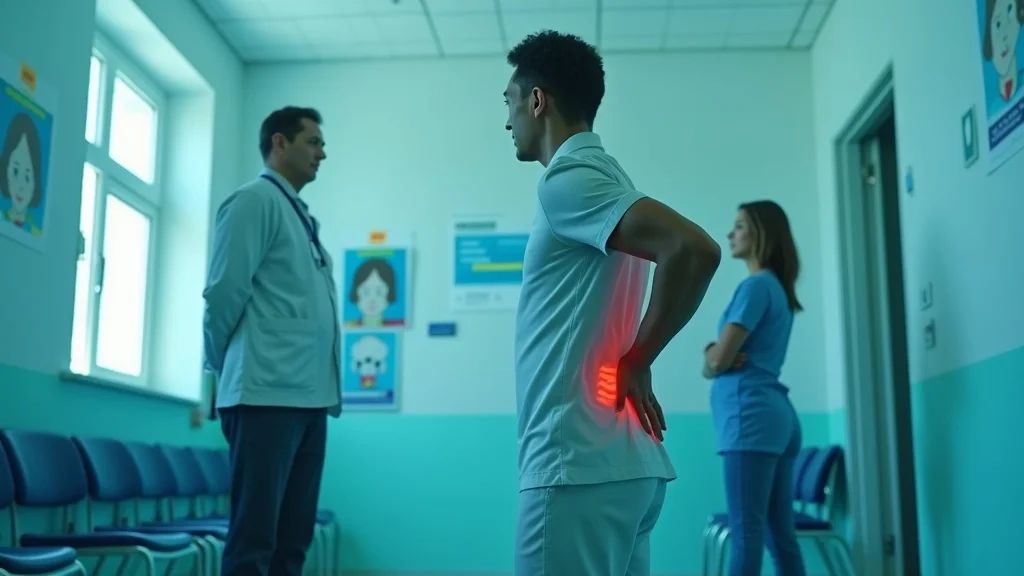
Back pain is one of the leading causes of disability worldwide, prompting millions to seek treatment annually. Yet, the majority of spine-related issues do not require surgery to achieve lasting relief. Non-invasive spine care offers patients an evidence-based alternative, focusing on treatments that preserve anatomy and promote natural healing.
Dr. Matthew Ferris, founder of Indy Spine & Balance, highlights that patients frequently report more meaningful improvements employing non-surgical methods that target the root cause instead of just masking symptoms. “Our goal is to find the root cause of the problem and treat it in the least invasive way possible,” Dr. Ferris emphasizes, illustrating the philosophy behind his approach to spine care.
By reducing reliance on medications and surgical interventions, non-invasive spine care promotes faster recovery with fewer risks, a critical consideration for anyone suffering from chronic spinal conditions.
Understanding Non-Invasive Spine Care: Definitions and Scope
What is Non-Surgical Spine Care?
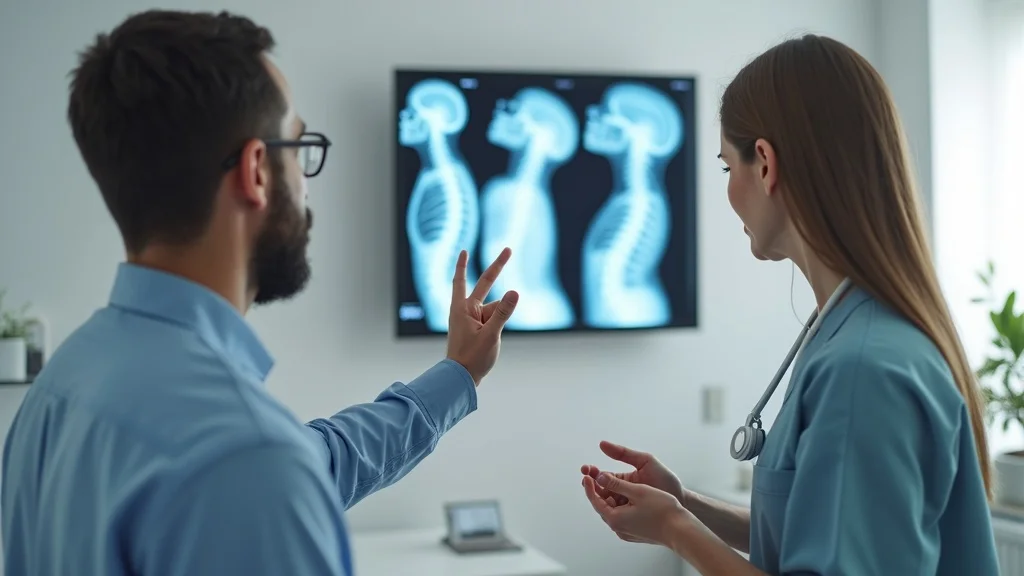
Non-surgical spine care encompasses a variety of therapies and methods designed to relieve spine and joint pain without operative procedures. This multidisciplinary care often includes chiropractic adjustments, physical therapy, laser treatments, and other advanced modalities aimed at restoring function and easing discomfort.
Dr. Ferris explains that unlike traditional surgical spine care, non-invasive treatments prioritize restoring proper biomechanics and tissue healing. “We don’t just treat symptoms,” he says. “We look at disc mechanics, tendon and ligament function, and soft tissue adhesion to tailor therapies that address each unique patient’s condition.”
By integrating digital imaging and personalized assessments, clinics like Indy Spine & Balance refine their non-surgical strategies to maximize outcomes while minimizing invasive interventions.
Common Conditions Treated with Non-Invasive Spine Care
The Role of a Spine Specialist in Managing Back Pain
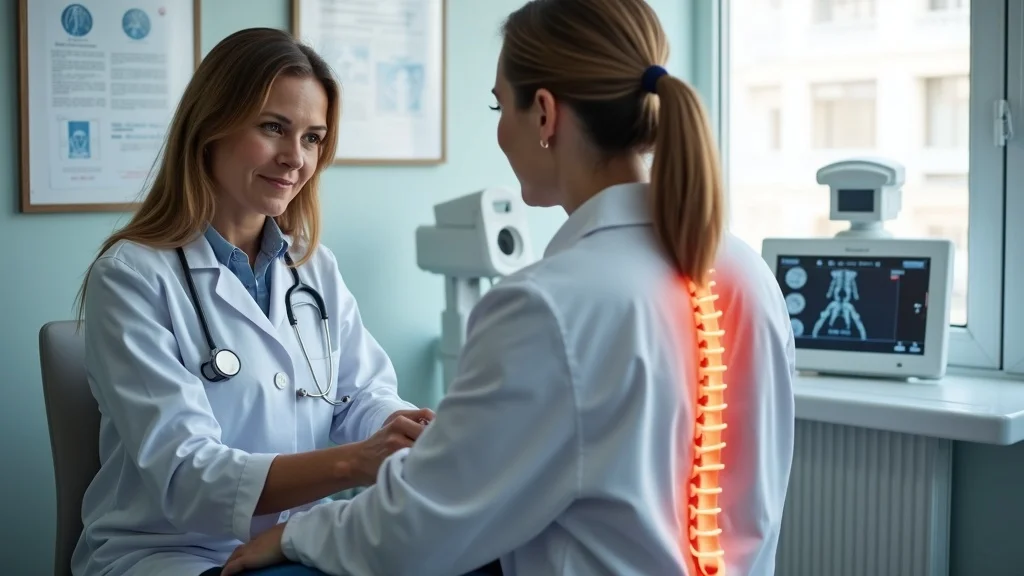
Back pain is a complex condition, arising from multiple causes including disc degeneration, muscle imbalances, nerve irritation, and poor posture. Spine specialists like Dr. Ferris play a crucial role in managing these disorders through comprehensive diagnostic evaluations and targeted treatment plans.
At Indy Spine & Balance, the most common conditions seen are headaches, neck pain, and lower back pain—ailments that can significantly impair quality of life. Treating these requires more than a one-size-fits-all method. “If I were to take 20 patients with the same symptom, I couldn’t give them all the same treatment,” Dr. Ferris states. This personalized approach ensures that each patient’s care is optimized for their distinct circumstances.
Dr. Ferris also addresses conditions often considered challenging, such as rheumatoid arthritis and nerve-related symptoms like sciatica, showcasing how non-invasive therapies can extend benefits to traditionally difficult-to-treat cases.
Innovative Treatment Options in Non-Invasive Spine Care
How Laser Therapy Enhances Pain Management and Recovery
Laser therapy is a cutting-edge tool in non-invasive spine care that accelerates tissue healing, reduces inflammation, and alleviates pain. Dr. Ferris incorporates both class two and class four lasers at Indy Spine & Balance, which emit photons of light energy to stimulate cellular repair mechanisms through a process called photobiomodulation.
"The lasers increase mitochondrial activity, essentially powering the cells to heal faster," Dr. Ferris explains. This technological advancement allows patients to experience faster recovery times and decreases the frequency of treatment sessions compared to traditional methods.
For patients suffering chronic pain or inflammation, laser therapy offers a non-pharmaceutical option that enhances comfort and function holistically.
Disc Decompression and Shock Wave Therapy: Non-Surgical Spine Treatment Options
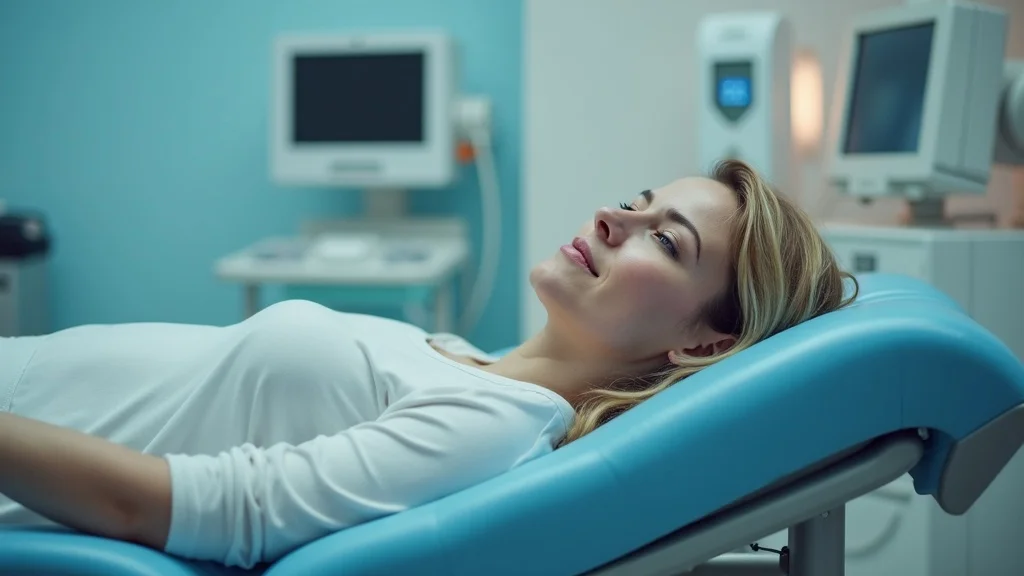
Disc decompression therapy uses a computerized traction table to create a gentle vacuum effect on inflamed spinal discs, encouraging rehydration and healing. Dr. Ferris notes, “This method is particularly helpful for patients with shooting pain in the arms or legs due to disc issues, offering an alternative to injections or surgery.”
Another innovative treatment is shock wave therapy, which mechanically breaks up soft tissue adhesions to restore mobility and reduce pain. Combined with superficial dry needling, this therapy provides relief even in sensitive areas with minimal discomfort for the patient.
These modalities exemplify how non-invasive spine care embraces technology to target problem areas precisely, improving patient comfort and treatment effectiveness.
Personalized Care Approach: From Initial Consultation to Lasting Relief
What to Expect During Your First Visit to Indy Spine & Balance
New patients at Indy Spine & Balance undergo a comprehensive consultation designed to uncover all underlying issues, not just the primary symptom. Dr. Ferris emphasizes thoroughness: “Often, patients come in with one complaint, but we find six or more related issues that we can address.”
The evaluation typically includes targeted physical exams and digital imaging to pinpoint biomechanical or neurological dysfunctions. Patients are actively involved in reviewing their results and proposed treatment plans to ensure clarity and confidence in their care pathway.
This personalized approach fosters patient trust and leads to more effective, tailored treatment strategies that prioritize long-term relief.
Patient Success Stories: Real-Life Transformations
One memorable case shared by Dr. Ferris involved a patient suffering from complex symptoms including neck pain, arm shooting pain, ear ringing, headaches, and disrupted sleep. After just the first upper neck treatment, relief was immediate and profound, bringing tears of joy.
Stories like these highlight how non-invasive spine care can influence multiple conditions simultaneously. Dr. Ferris values such comprehensive results, stating, “We often solve more than just one condition, which excites patients and motivates their ongoing participation in the healing process.”
Integrating Movement, Rehab, and At-Home Care in Spine Treatment

Addressing Modern Challenges: Text Neck and Forward Head Posture

The rise of “text neck” — a forward head posture from prolonged device use — poses a modern epidemic affecting spinal health globally. Dr. Ferris integrates specific rehabilitation exercises both in-office and at home to correct posture and strengthen core stabilizers of the neck and back.
These exercises, combined with targeted therapy, stabilize the patient’s condition faster and reduce recurrence risk. “We teach patients simple but effective movements ensuring they maintain progress and enjoy long-term spine health,” Dr. Ferris notes.
Staying Ahead: Continuing Education and Innovation in Spine Care
Dr. Ferris dedicates himself to ongoing professional development, completing required continuing education credits annually and staying connected with colleagues to remain at the forefront of advancements in spine care. This commitment ensures Indy Spine & Balance continually integrates the latest evidence-based therapies.
He attributes breakthroughs like adopting superficial dry needling to connections made during education, regularly enhancing his practice’s treatment arsenal for the benefit of patients with chronic or complex conditions.
FAQs About Non-Invasive Spine Care
What is non-surgical spine care?
It's the treatment of spinal and musculoskeletal conditions using non-operative therapies like chiropractic care, physical therapy, laser therapy, and decompression without surgery.What is the downside of minimally invasive spine surgery?
While less invasive than traditional surgery, risks still include infection, incomplete relief, and recovery time. Non-invasive options often have fewer risks and quicker recovery.What is the most common nonsurgical treatment for back pain?
Chiropractic adjustments, physical therapy exercises, and pain management modalities like laser therapy are common first-line treatments.Does non-surgical spinal decompression really work?
Yes, many patients experience significant relief from disc-related symptoms through spinal decompression, especially when combined with other therapies.
Key Takeaways: Why Choose Non-Invasive Spine Care?
Targets root causes rather than just symptoms, leading to more lasting relief.
Advanced technologies like laser therapy and disc decompression speed up healing and reduce pain.
Personalized treatment plans tailor care to each patient’s unique needs.
Rehab and at-home exercises are essential in maintaining spine health and preventing recurrence.
Conclusion: Embracing the Future of Spine Care with Dr. Matthew Ferris
"Our goal is to find the root cause of the problem and treat it in the least invasive way possible," says Dr. Matthew Ferris of Indy Spine & Balance.
For lasting and holistic relief from spine conditions, consider exploring non-invasive options that prioritize your health and well-being first. Get relief now—book your $89 consultation + digital imaging today and take a proactive step toward a healthier spine.
Sources
https://pubmed.ncbi.nlm.nih.gov/ - Studies on laser therapy and spine treatments
https://www.ncbi.nlm.nih.gov/books/NBK555933/ - Overview of non-surgical spine care
https://www.spine-health.com/conditions/spine-care/non-surgical-treatment-options - Information on spinal decompression and conservative treatments
To further explore the benefits and options available in non-invasive spine care, consider the following resources:
“Non-Surgical Spine Care | Spinal Care | Mercy Health”: This resource provides an overview of non-surgical spine care treatments, including physical therapy, chiropractic care, and injections, emphasizing the importance of early intervention to speed up the healing process. (mercy.com)
“Non-Surgical Options | Neuroscience Institute | Swedish”: This page outlines various conservative care treatments for neck and back conditions, such as physical therapy, pain services, and acupuncture, highlighting the role of interventional pain management in non-surgical spine care. (swedish.org)
If you’re serious about exploring non-invasive spine care options, these resources will provide you with comprehensive information on available treatments and their benefits.


Write A Comment