
• Menu 1
  • Menu 2
  • Menu 3
  • Menu 4
  • Menu 5
  • Menu 6
cropper
update
update
June 17.2025
2 Minutes Read

What You Need to Know About Non-Invasive Treatments in Dermatology

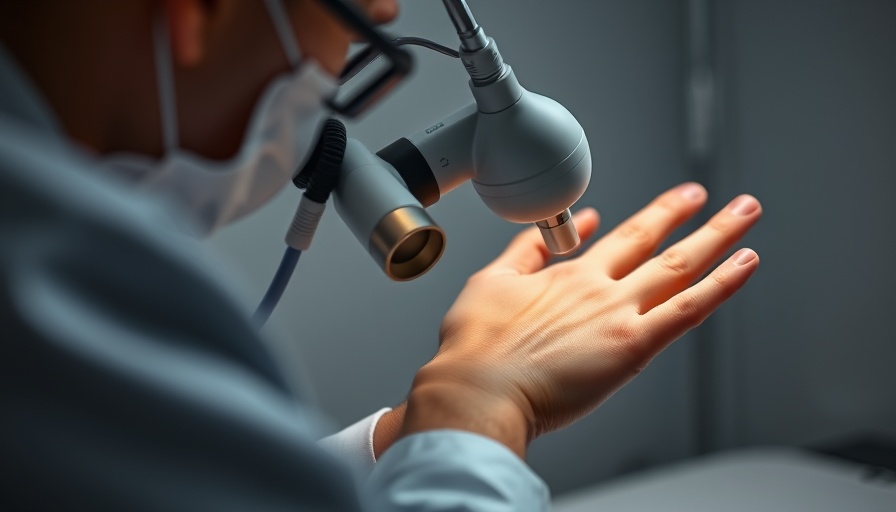
Dermatologist using dermatoscope on hand, non-invasive treatment.

Innovative Treatments Transforming Dermatology

Recent advances in dermatology have opened the doors to promising new therapies that target some of the most prevalent skin conditions affecting individuals worldwide. One standout breakthrough is oral Ritlecitinib combined with narrowband UVB (nbUVB) therapy, which accelerates repigmentation in nonsegmental vitiligo. This therapy not only enhances skin repigmentation but also significantly improves patients' quality of life, allowing them to regain their confidence.

New Frontiers in Infant Atopic Dermatitis

In the realm of pediatric dermatology, the ongoing INTEGUMENT-INFANT trial explores Roflumilast 0.05% cream as a non-steroidal treatment for infants suffering from atopic dermatitis. This approach could pave the way for safer, effective treatments that may replace traditional steroid-based options, which have become a cause for concern among parents and healthcare providers alike.

The Hidradenitis Suppurativa Breakthrough

At the recent SCALE 2025 conference, expert Christina Feser, DO, revealed insights about the growing range of therapies for hidradenitis suppurativa (HS). With ongoing research and development of new treatment protocols, patients can look forward to more options tailored to their specific needs, marking a significant milestone for this often-misunderstood condition.

Clinical Insights from the 2025 Fall Clinical PA/NP Conference

Jamie Restivo, MPAS, PA-C, shared valuable insights from the recent Fall Clinical PA/NP Conference, shedding light on exciting innovations in dermatological therapy. The focus on minimally invasive treatments, such as injectable fillers and laser treatments, reflects a broader trend within the field to prioritize patient comfort while achieving aesthetic goals.

Expanding the World of Cosmetic Dermatology

The emergence of non-invasive treatments has transformed the way we view aesthetics and skincare solutions. From microneedling benefits to the efficacy of LED light therapy and chemical peels, the beauty technology revolution is serving to enhance not just appearances but also overall skin health. As procedures become more sophisticated and accessible, consumers are encouraged to take proactive steps in their skincare journeys.

Importance of Non-Surgical Aesthetics

The current drive towards cosmetics in dermatology emphasizes non-surgical techniques like facial rejuvenation, body contouring technology, and skin tightening lasers. Innovations such as hyaluronic acid fillers and non-invasive rhinoplasty options have made these services appealing to those seeking effective solutions without the downtime typically associated with surgical procedures. The popularity of these treatments is skyrocketing, and understanding their benefits can help individuals make informed choices about their aesthetic care.

Your Path Towards Skin Health

With an array of options now available for addressing skin health, it is vital to stay informed about the latest advancements in dermatology. These innovations not only serve to enhance our physical appearance but also contribute to our emotional well-being. As the field of cosmetic dermatology continues to explore new frontiers, individuals are encouraged to consider integrating these strategies into their skincare regimens.

One need not face skin challenges alone—consulting with a trusted dermatologist can offer tailored insights and personalized treatment plans. Don't hesitate to explore the wealth of options available to enhance your skin's vitality and health!

Pet Care

15 Views

0 Comments

Write A Comment

*
*
Please complete the captcha to submit your comment.
Related Posts All Posts
10.06.2025

Why Understanding Dermatology's Role is Crucial for Breast Cancer Awareness Month

Update Shining a Light on Dermatology's Crucial Role in Breast Cancer Care October, recognized globally as Breast Cancer Awareness Month, is a poignant reminder of the importance of early detection and the multidisciplinary approach in fighting this disease. While many associate breast cancer primarily with oncologists and breast surgeons, dermatologists are increasingly recognized for their vital role in patient care. From recognizing skin-related signs of breast cancer to managing side effects of treatments, their contribution is crucial. Understanding the Dermatologic Challenges Breast cancer treatments can lead to various dermatologic side effects—something patients might experience when they visit their dermatologist first. Symptoms such as skin rashes, hyperpigmentation, and alopecia are common, especially with immunotherapy and targeted approaches like HER2 inhibitors. As reported, dermatologists can help manage these conditions with tailored approaches, enhancing patients' adherence to their more extensive treatment plans and improving quality of life. Collaboration is Key: A Multidisciplinary Approach The synergy between dermatology and oncology is paramount. Each specialist brings unique insights that complement one another, ensuring that patients receive comprehensive care. For instance, dermatologists frequently provide supportive treatments that can alleviate the debilitating skin effects of chemotherapies, like severe rashes or hair loss. This collaboration not only promotes cancer survivorship but also addresses critical aspects of patient well-being. The Future of Oncodermatology: Emerging Trends The rise of new treatment paradigms in breast cancer necessitates a proactive approach towards dermatologic care. With the advent of many novel therapies, dermatologists can expect to see an increase in skin-related adverse events. It's essential for oncology teams to recognize symptoms early and refer patients to dermatologists for immediate care to mitigate complications. Moreover, innovations in treatments, including minimally invasive techniques and scientifically formulated skincare—like products utilizing hyaluronic acid for hydration—can aid in enhancing skin health during treatment. Embracing these new technologies signifies a future where dermatology plays an integral role in cancer management. Empowering Patients: Education is Essential Patients must be informed about potential side effects of their treatment regimens, allowing them to advocate for their skin health. Understanding that they can experience skin symptoms that require attention helps reduce anxiety and encourages prompt action. Patients facing rashes or changes in skin texture should be encouraged to consult their oncology team or dermatologist without delay. Recognizing the Signs for Timely Intervention Dermatologists emphasize the importance of patients recognizing the key features of harmful skin reactions that warrant professional attention. Symptoms like severe itching, pain, and swelling should trigger immediate consultation, making patients active participants in their care journey. Throughout Breast Cancer Awareness Month and beyond, it's essential to celebrate the collaboration between dermatology and oncology. By doing so, we pave the way for improved patient outcomes and a more holistic approach to cancer care. For those wanting to stay informed about the intersection of dermatology and oncology, consider subscribing to Dermatology Times’ resources, ensuring you have the latest insights and innovative treatments at your fingertips.

10.05.2025

Transforming Pediatric Dermatology: New FDA Treatments and AI Innovations

Update New Frontiers in Pediatric Dermatology Treatments The landscape of dermatological care for children is transforming, ushering in innovative treatments that promise to enhance quality of life. Recent FDA approvals of medications like guselkumab and ruxolitinib cream highlight a significant evolution in pediatric dermatology, particularly for conditions such as psoriasis and atopic dermatitis. FDA Approvals Make Waves The FDA's recent approval of guselkumab for pediatric plaque psoriasis and psoriatic arthritis marks a monumental step forward. This drug is the first and only interleukin-23 inhibitor approved for children, offering a much-needed therapeutic alternative for a demographic often underserved by conventional treatments. The Phase 3 PROTOSTAR study, which informed this approval, showcased a remarkable safety and efficacy profile, achieving high levels of skin clearance among participants. This breakthrough gives hope to the approximately 20,000 children diagnosed annually with plaque psoriasis. Moreover, the approval of ruxolitinib cream, the first topical JAK inhibitor for children aged 2-11 with mild to moderate atopic dermatitis, provides a corticosteroid-sparing option. According to studies, ruxolitinib cream not only minimizes itch relatively quickly, but it also maintains a favorable safety profile, addressing a significant gap in pediatric treatment options. The Role of Generative AI in Dermatology In tandem with these advancements, the integration of generative AI into dermatological workflows has become increasingly popular. This technology aims to streamline processes, enhancing patient access while relieving clinicians of administrative burdens. By employing AI, dermatologists can focus more on patient care and less on paperwork, paving the way for improved health outcomes. Global Perspectives: Universal Skin Health International health bodies like the World Health Organization (WHO) are also stepping up; their recent inclusion of psoriasis biologics and specialized products for conditions like albinism onto the Essential Medicines List underscores an important global commitment to skin health. This recognition not only exemplifies the importance of treating dermatological conditions but also highlights ongoing disparities in access to essential therapies across different regions. Patient Empowerment Through Education and Resources For patients and caregivers, staying informed about new treatments can empower them in their health journeys. Education on available FDA-approved treatments for chronic conditions encourages proactive disease management. With new options at their disposal, caregivers can make well-informed choices tailored to their child's specific needs. Conclusion: A Brighter Future for Pediatric Dermatology These advancements represent a pivotal moment in pediatric dermatology. The combination of novel FDA-approved medications and technological integrations promises not only to improve treatment outcomes but also to enhance the overall quality of life for children. Families navigating these dermatological challenges can now hope for a future where skin health is prioritized and treatment options abound. For those looking for more insights into ongoing advancements and how they can benefit from these developments, consider staying updated with reputable dermatology news sources.

10.04.2025

LEO Pharma's Acquisition of Spesolimab: A Game Changer for GPP Patients

Update LEO Pharma Expands Reach with Spesolimab AcquisitionIn a significant move to bolster its dermatology portfolio, LEO Pharma has finalized the acquisition of spesolimab (Spevigo), a targeted treatment for generalized pustular psoriasis (GPP). This acquisition comes after receiving all regulatory approvals and marks an important step in enhancing patient access to this innovative therapy.Spesolimab functions as a humanized monoclonal antibody that specifically targets and blocks the interleukin-36 (IL-36) receptor, a key driver in the pathogenesis of GPP, which is a rare, often debilitating skin condition characterized by painful, sterile pustules and systemic symptoms such as fever and fatigue.Addressing an Under-Served CommunityWith the prevalence of GPP being relatively low, patients often contend with limited treatment options. By taking over the development and commercialization of spesolimab, LEO Pharma aims to expand its reach into underserved communities globally. CEO Christophe Bourdon emphasized the company's commitment to ensuring that this treatment reaches as many patients as possible, building upon the groundwork laid by Boehringer Ingelheim, which previously brought the drug to market.Spesolimab received FDA approval in 2022, marking it as the first specific treatment for acute GPP flares. Given that GPP is distinct from other types of psoriasis, the targeted action of spesolimab is crucial. Recent studies, including the pivotal Effisayil trials, have demonstrated the rapid effectiveness of the drug, with a single intravenous dose leading to significant symptom clearance.The Bigger Picture: Expansion Beyond GPPWhile the current focus is on GPP, the acquisition also positions spesolimab for exploration in other IL-36-mediated dermatoses, including pyoderma gangrenosum. This potential is not only a beacon of hope for GPP sufferers but could pave the way for future treatments of other inflammatory skin diseases that often lack proper management.Financially, LEO Pharma anticipates that spesolimab will contribute less than 1% to its revenue growth in 2025, but the drug's broad-reaching implications could lead to a more significant market presence in the years to come.Why This Matters for Patients Seeking Skin Health SolutionsThe introduction of spesolimab as an available treatment option resonates with many individuals who prioritize their skin health and seek effective, non-invasive solutions. As discussions around aesthetic medicine trends and skin health advancements continue to rise, treatments like spesolimab place a strong focus on addressing the needs of patients suffering from complex skin conditions.Editorial Insight: The Future of Dermatology TreatmentsAs the landscape of dermatology evolves, it becomes increasingly essential for industry leaders to explore and invest in innovative treatment options that not only cater to current needs but also anticipate future healthcare trends. Partnerships and acquisitions, such as LEO Pharma's with spesolimab, exemplify a strategic shift towards more accessible and effective healthcare solutions for patients.In conclusion, the acquisition of spesolimab signifies a commitment to patient care and innovation in the dermatology field. By expanding both its portfolio and geographic reach, LEO Pharma aims to transform the lives of those affected by GPP and potentially other inflammatory skin disorders.

Terms of Service

Privacy Policy

Core Modal Title

Sorry, no results found

You Might Find These Articles Interesting

T
Please Check Your Email
We Will Be Following Up Shortly
*
*
*