






• HOME
  • MEDSPA
  • PLASTIC SURGERY
  • HEALTH & WELLNESS
  • SKINCARE
  • BEAUTY
  • CHIROPRACTIC
  • FEATURE ARTICLE
  • SPOTLIGHT ARTICLE
September 18.2026
10 Minutes Read

Understanding Sciatica: Causes, Symptoms, and Treatment Options

Did you know that sciatica affects up to 40% of people at some point in their lives, often leading to debilitating pain that disrupts daily activities? This sciatica overview article dives deep into the causes, symptoms, and latest treatment options to help you understand this complex condition and take control of your health. Whether you’re experiencing shooting pain down your leg or persistent lower back discomfort, knowing the facts about sciatica is the first step to lasting relief.

Startling Facts About Sciatica and Its Impact

Sciatica is far more prevalent than many realize, often misunderstood and misdiagnosed. This condition results from irritation or compression of the sciatic nerve—the longest nerve in the human body—causing pain that radiates from the lower back down through the hips and legs. The impact of sciatica extends beyond physical discomfort; it can impede your ability to work, exercise, and enjoy everyday tasks. Studies show that early diagnosis and targeted treatment significantly improve recovery outcomes.

People often mistake sciatica symptoms for generic back pain, delaying proper care. According to Dr. Matthew Ferris of Elite Spine Care, “Effective sciatica treatment requires addressing the root cause, not just masking symptoms. Our approach combines advanced therapies tailored to each patient’s unique condition. ” Recognizing how sciatica affects your lifestyle highlights the importance of seeking specialized care, which can restore mobility and quality of life.

Why Sciatica Is More Common Than You Think

Sciatica is surprisingly widespread, with causes ranging from herniated discs and spinal stenosis to lifestyle factors such as prolonged sitting and poor posture. The sciatic nerve can become compressed or inflamed due to these varied triggers, making sciatica a common complaint among adults. Dr. Ferris emphasizes that “early diagnosis and personalized recovery plans are key to stopping sciatica from controlling your life,” underscoring the necessity of timely intervention.

As people age or engage in high-risk activities, the likelihood of sciatica increases. Obesity, sedentary habits, and occupations involving heavy lifting also contribute to higher prevalence rates. Understanding these factors helps patients and healthcare providers develop effective prevention and management strategies.

Expert Quote: Dr. Ferris on the Importance of Early Diagnosis

Dr. Matthew Ferris explains, “The sooner sciatica is diagnosed accurately, the better the chances for non-surgical treatment success. Ignoring symptoms or self-medicating can lead to chronic pain and neurological deficits. ” Early diagnosis often involves a combination of physical exams and digital imaging to pinpoint nerve root compression and initiate the appropriate treatment plan.

What Is Sciatica? Defining the Sciatic Nerve and Sciatica Overview

Sciatica is a set of symptoms including leg pain, tingling, weakness, or numbness caused by irritation of the sciatic nerve roots in the lower spine. Understanding the anatomy of this nerve is crucial for grasping how sciatica develops and manifests.

The sciatic nerve originates from the lumbar spine, running through the pelvis and branching down each leg. When these nerve roots become compressed—due to herniated discs, bone spurs, or muscle inflammation—typical sciatica symptoms appear. This nerve's extensive pathway explains why symptoms often radiate far beyond the lower back.

Anatomy of the Sciatic Nerve and Nerve Roots

The sciatic nerve consists of nerve roots from spinal vertebrae L4 to S3, which merge and pass through the lower back and buttocks before branching into the legs and feet. Damage or pressure at any segment can disrupt nerve signaling, leading to pain or neurological symptoms.

The nerve roots exit through narrow spaces in the vertebrae. When these spaces narrow due to injury or degeneration, the nerve can become pinched—a primary cause of sciatica. Knowing these details provides context for treatment options that aim to relieve this pressure and restore nerve function.

How Nerve Root Compression Leads to Sciatica Symptoms

Nerve root compression causes inflammation, swelling, and disrupted nerve signals, resulting in sharp or burning pain that may be accompanied by numbness or weakness in the leg. This condition interrupts the normal communication between the brain and lower limb muscles, often causing mobility issues and balance problems.

Dr. Ferris of Elite Spine Care highlights that “targeting the root cause—nerve compression—instead of only treating symptoms is essential for lasting relief. ” Treatments such as dry needling, rehab exercises, and laser therapy work by reducing inflammation and promoting nerve healing at the source.
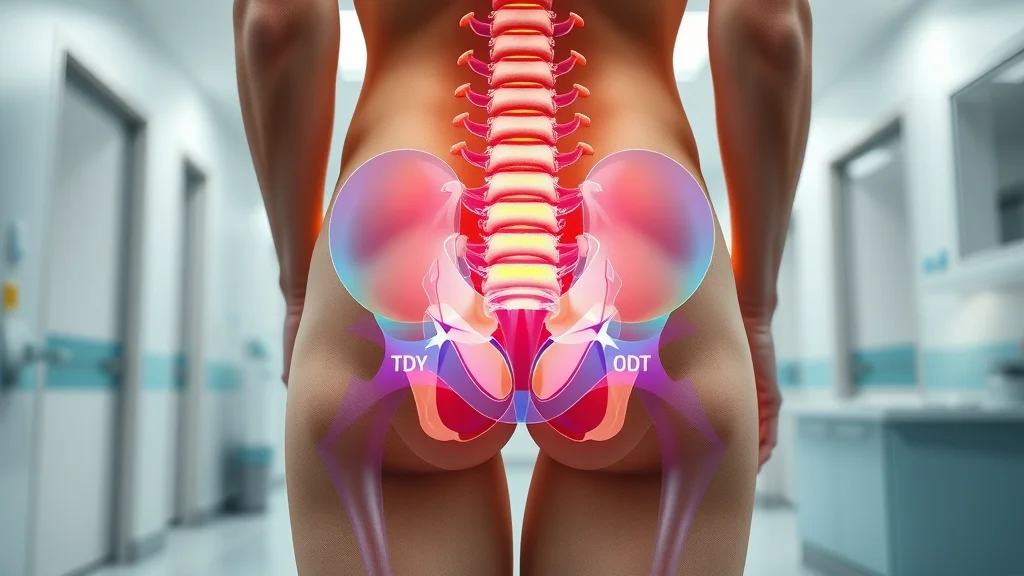
Detailed anatomical illustration of the sciatic nerve and nerve roots showing compression areas in sciatica overview

Common Risk Factors That Contribute to Sciatica

Several factors increase the risk of developing sciatica, ranging from lifestyle choices to underlying medical conditions. Understanding these helps in both preventative measures and tailoring effective treatments.

Risk factors include prolonged sedentary behavior, obesity, age-related spinal degeneration, and trauma. Additionally, certain activities like heavy lifting or repetitive twisting can strain the lumbar spine, precipitating nerve irritation.

Identifying Lifestyle and Medical Risk Factors

Prolonged sitting and poor posture weaken the muscles that support the spine, increasing vulnerability to nerve compression. Conditions like herniated discs, spinal stenosis, and arthritis also play significant roles in sciatic nerve root irritation.

Medical factors such as diabetes or pregnancy can exacerbate symptoms due to inflammation or structural changes in the body, requiring specialized attention when forming a treatment strategy.

Dr. Ferris Explains How Risk Factors Influence Treatment Outcomes

According to Dr. Ferris, “Individual risk factors directly affect the approach to treatment. For example, patients with obesity may benefit from combined therapies addressing weight reduction and spinal health to improve outcomes. ” Personalized care plans consider these factors to optimize recovery and prevent recurrence.

Recognizing Sciatica Symptoms: What to Look For

Recognizing the hallmark symptoms of sciatica early can prevent worsening pain and potential nerve damage. These symptoms typically begin gradually and may escalate if left untreated.

Common symptoms include sharp or radiating leg pain, numbness, tingling sensations, muscle weakness, and difficulty standing or walking. Symptoms often worsen with prolonged sitting or sudden movements.

Typical Sciatica Symptoms and Their Progression

Sciatica usually begins with mild discomfort in the lower back or buttocks, progressing to more intense pain radiating down the sciatic nerve pathway. Muscle weakness or loss of sensation may develop, indicating nerve involvement severity.

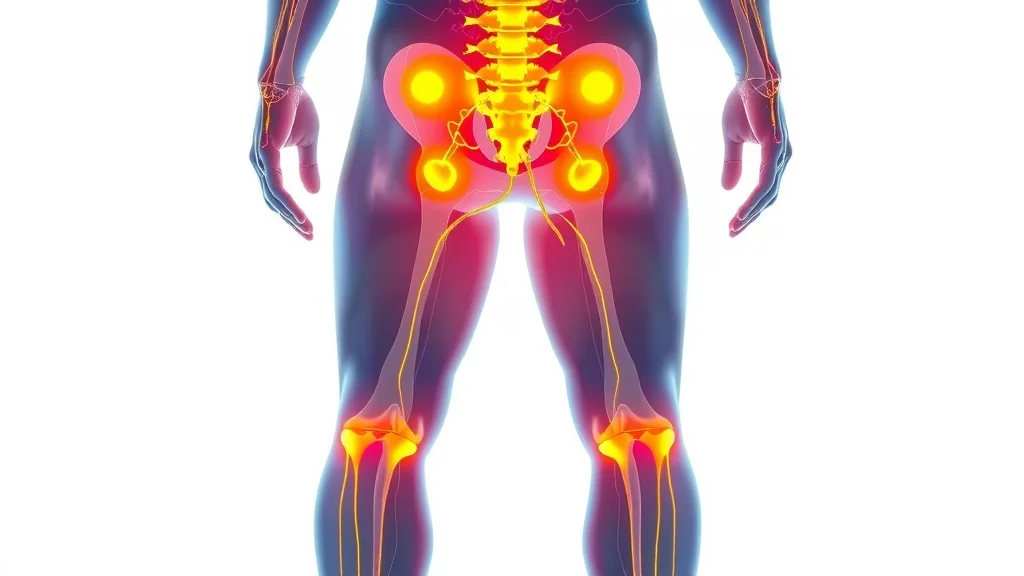
Heatmap visualizations highlight the usual areas affected: lower back, buttocks, thighs, and sometimes extending down to the feet. Understanding symptom progression aids timely intervention and symptom management.
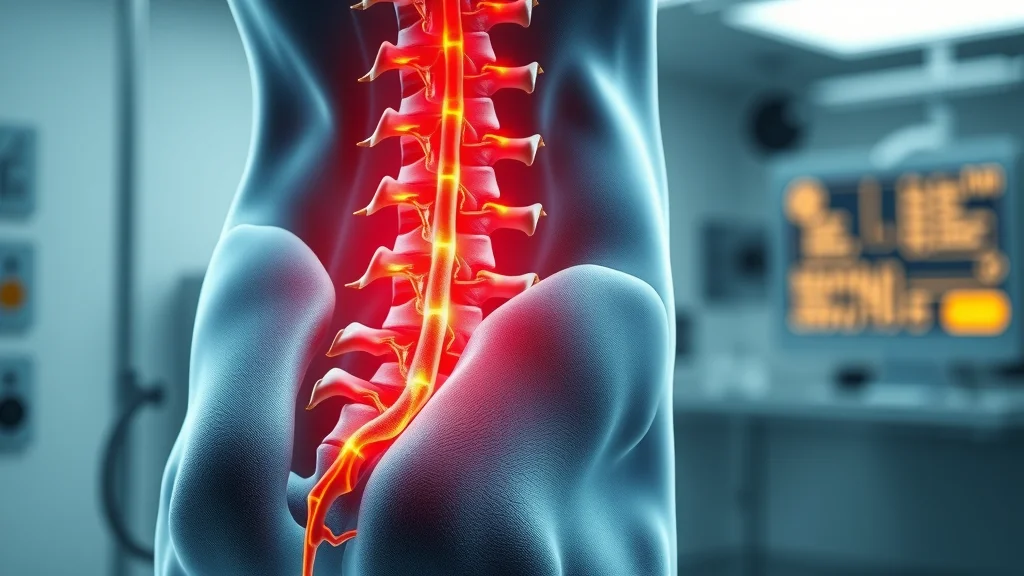
Heatmap visualization of sciatic nerve pain areas on lower back and legs illustrating sciatica overview

The Four Stages of Sciatica Explained

Sciatica typically advances through four stages: initial mild discomfort, persistent nerve irritation with radiating pain, nerve inflammation leading to neurological symptoms, and finally severe nerve damage if untreated.

Each stage demands tailored treatment considerations. Prompt addressing of early stages often prevents progression to debilitating chronic pain or permanent deficits.

Diagnosing Sciatica: The Role of Healthcare Providers

Accurate diagnosis by healthcare professionals is critical for crafting an effective treatment plan. It involves a thorough physical examination and advanced diagnostic tests.

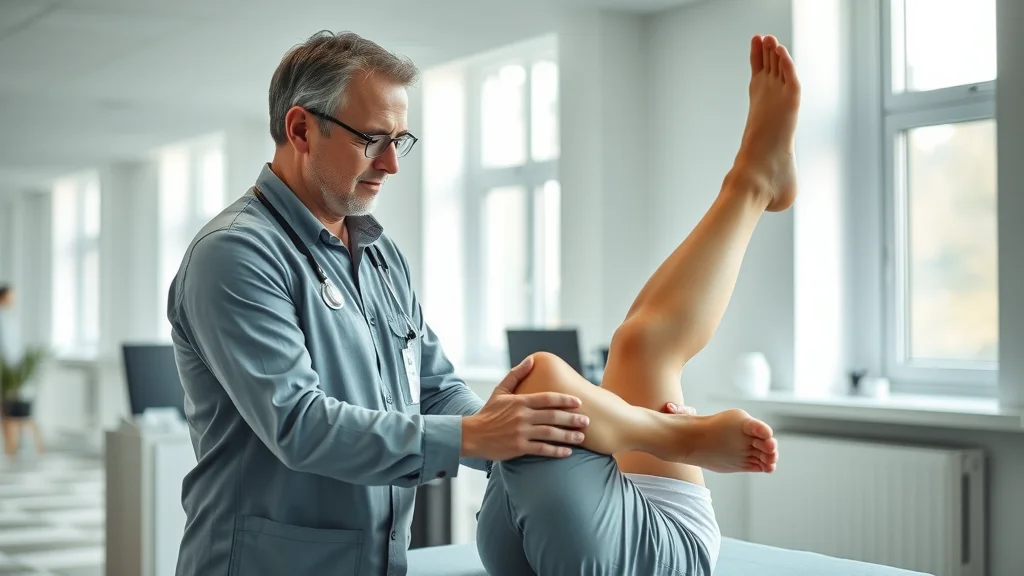
Among these tests is the straight-leg raise test, where a physiotherapist assesses nerve tension and pain response. Digital imaging, such as MRI or CT scans, helps visualize nerve root compression and underlying spinal issues contributing to sciatica symptoms.

Common Diagnostic Tests Including the Straight-Leg Test

The straight-leg test reproduces sciatic pain by extending the patient’s leg, indicating nerve root involvement when pain occurs between 30-70 degrees of elevation. This simple yet effective test guides further diagnostic procedures.

Comprehensive neurological exams also evaluate muscle strength, reflexes, and sensory deficits, helping distinguish sciatica from other causes of leg pain.
Physiotherapist performing the straight-leg test on patient to diagnose sciatica overview

How Digital Imaging Enhances Sciatica Diagnosis

Advanced imaging modalities reveal detailed anatomy of the lumbar spine, identifying herniated discs, spinal stenosis, and nerve root compression. This visual evidence supports precise diagnosis and informs targeted treatment choices.

Imaging also aids in monitoring treatment progress and deciding when surgical interventions may be necessary for refractory cases.

Treatment Options for Sciatica: From Conservative to Advanced

Treatment for sciatica ranges from conservative therapies to surgical options, depending on severity and patient-specific factors. The goal is to relieve pain, restore nerve function, and improve quality of life.

Non-surgical therapies are often first-line, aimed at reducing inflammation, enhancing mobility, and strengthening supportive muscles.

Non-Surgical Treatments: Dry Needling, Rehab, and Laser Therapy

Dry needling targets muscle trigger points to alleviate stiffness and improve blood flow, reducing nerve irritation. Rehabilitation programs focus on tailored exercises to strengthen the core and lumbar muscles, improving spinal support.

Laser therapy uses focused light energy to promote tissue repair and reduce inflammation at the affected nerve roots. Dr. Ferris states, “Our combined approach of dry needling, rehab, and laser therapy targets the root cause rather than just symptoms, offering personalized recovery plans for lasting relief. ”
Patient undergoing dry needling therapy as part of sciatica overview treatment options

When to Consider Surgical Interventions

Surgery is generally reserved for cases where conservative treatments fail or neurological deficits worsen. Procedures may involve relieving nerve compression by removing herniated disc material or widening spinal canals.

Post-surgical rehabilitation is critical to restore function and prevent recurrence. Decisions about surgery are individualized, balancing risks and potential benefits.

Expert Insights: Dr. Ferris on Effective Sciatica Treatment Strategies

Dr. Ferris, of Elite Spine Care, emphasizes that “effective sciatica treatment hinges on a comprehensive approach that combines diagnosis, personalized therapy, and patient education. ” The expertise of the provider ensures that treatments adapt to the patient’s progress and evolving needs.

Collaboration between patient and provider maximizes outcomes and fosters a proactive approach to managing symptoms and preventing future flare-ups.

Targeting the Root Cause Rather Than Just Symptoms

Many treatments only mask sciatica symptoms temporarily. Dr. Ferris explains, “We focus on the underlying nerve root compression and muscular imbalances causing the pain. By addressing these root issues, patients achieve longer-lasting relief. ”

This philosophy advocates for integrated therapies that work synergistically rather than isolated symptom management.

Personalized Recovery Plans for Lasting Relief

Each sciatica case is unique, requiring a customized recovery protocol. This may include dry needling, laser therapy, specific exercises, lifestyle modifications, and education.

Such plans empower patients to take control of their condition and minimize future risk through informed daily habits and ongoing preventive care.
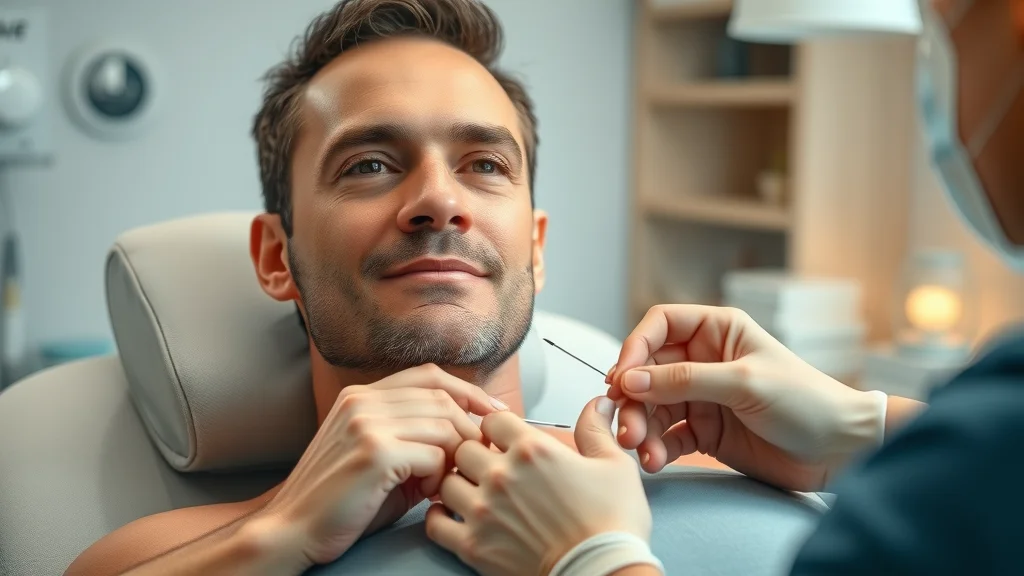
Patient discussing personalized sciatica overview recovery plan with Dr. Ferris in clinic setting

Common Misconceptions and Mistakes in Managing Sciatica

Many people misunderstand sciatica, leading to ineffective treatments and prolonged suffering. Common myths include the belief that rest alone cures sciatica or that surgery is the only option.

Delaying professional care often worsens symptoms and increases the likelihood of chronic pain or neurological complications. Education is key to dispelling these misconceptions.

Debunking Myths About Sciatica Pain and Treatment

A significant misconception is that sciatica pain correlates directly with severity of spinal damage. In reality, symptom intensity varies and can be influenced by inflammation and muscle spasm.

Another myth is that exercise worsens sciatica; on the contrary, guided rehabilitation strengthens supportive structures without aggravating nerve irritation.

Avoiding Delays in Seeking Professional Care

Fear or misunderstanding may prevent patients from seeking timely evaluation, risking progression of nerve damage. Early consultation with experts like Dr. Ferris ensures appropriate treatment and better recovery prospects.

Actionable Tips to Manage and Prevent Sciatica Flare-Ups

Preventing sciatica flare-ups involves lifestyle modifications and consistent exercises that maintain spinal health and flexibility.

Maintaining proper posture, engaging in regular low-impact exercise, and avoiding prolonged sitting reduce nerve irritation risks. Awareness of body mechanics during lifting and daily activities also plays a crucial role.

Lifestyle Adjustments and Exercises Recommended by Experts

Exercises targeting the core muscles and lumbar spine improve stability and reduce strain on the sciatic nerve. Stretching the hamstrings and hip flexors also alleviates tension contributing to nerve compression.

Dr. Ferris advises, “Personalized rehab exercises tailored to each patient’s condition are essential. Consistency in these therapies prevents flare-ups and promotes nerve health. ”

How to Explain Sciatica Pain to Family and Friends

Communicating the nature of sciatica pain can foster understanding and support. Describing the pain as a sharp, radiating discomfort caused by nerve irritation often resonates with others better than vague back pain explanations.

Sharing insights on symptom triggers and limitations helps loved ones appreciate the patient’s experience and encourages empathy.

People Also Ask

What are the 4 stages of sciatica?

The four stages of sciatica progress from mild nerve irritation with intermittent pain, to persistent symptom progression, nerve inflammation causing neurological issues, and finally, severe nerve damage if untreated. Early intervention prevents advancement through these stages.

What is the main cause of sciatica?

The primary cause is compression or irritation of the sciatic nerve roots, often due to herniated lumbar discs, spinal stenosis, or muscle spasms in the lower back and buttocks.

What is the quickest way to stop sciatica?

Immediate relief often comes from conservative treatments like dry needling, anti-inflammatory medications, and physical therapy focused on relieving nerve pressure. However, sustainable relief requires addressing the underlying causes through comprehensive treatment plans.

How to explain sciatica pain to someone?

Explain that sciatica is nerve pain caused by pressure on the largest nerve in the body, resulting in sharp, shooting pain down the leg, often accompanied by numbness or weakness, making normal movement difficult.

Summary and Key Takeaways

  • Understand the anatomy and function of the sciatic nerve

  • Recognize common risk factors and symptoms

  • Learn diagnostic methods used by healthcare providers

  • Explore treatment options including dry needling and laser therapy

  • Avoid common misconceptions and mistakes

  • Implement expert-recommended lifestyle changes

Treatment Method

Purpose

Benefits

When to Use

Dry Needling

Relieves muscle trigger points

Reduces tension and inflammation

Early to moderate symptoms with muscular tightness

Rehabilitation Exercises

Strengthens core and lumbar muscles

Improves posture and spinal stability

During and after pain flare-ups

Laser Therapy

Promotes tissue repair

Reduces inflammation and pain

Adjunct therapy for nerve healing

Surgery

Removes nerve compression

Relieves severe cases with neurological deficits

When conservative treatments fail

Conclusion: Taking the Next Step Toward Sciatica Relief

Take control of your sciatica pain by seeking expert evaluation and opting for a personalized treatment plan today.

Book Your Consultation Today

Get relief now—book your $89 consultation + digital imaging today. Early intervention is the key to stopping sciatica from controlling your life. Connect with Dr. Matthew Ferris at Indy Spine & Balance for expert care tailored to your unique needs.

CHIROPRACTIC

1 Views

0 Comments

Write A Comment

*
*
Please complete the captcha to submit your comment.
Related Posts All Posts
09.11.2026

Expert Perspectives: Combining Traditional and Advanced Modalities for Optimal Healing 

Did you know that over 7,000 studies support the use of laser therapy to accelerate healing? Integrating this with traditional chiropractic care creates powerful treatment options. In this article, we explore how advanced chiropractic treatment modalities improve outcomes by combining cutting-edge therapies with proven spinal adjustments, guided by insights from Dr. Matthew Ferris of Elite Spine Care. Discover how tailored care plans and innovative technology transform patient recovery journeys.Understanding Advanced Chiropractic Treatment Modalities and Their Role in Spinal HealthDefinition and scope of advanced chiropractic treatment modalitiesImportance of spinal health in overall wellnessHow chiropractic care integrates traditional and advanced methodsAdvanced chiropractic treatment modalities refer to a blend of traditional spinal manipulation techniques combined with innovative therapies such as laser therapy, spinal decompression, shock wave therapy, and dry needling. This comprehensive approach enhances the body's natural healing process, targets the root causes of discomfort, and restores optimal function.Spinal health plays a crucial role in overall wellness as the spine protects the nervous system and supports physical movement. Poor spinal alignment or injury can impact not just back or neck comfort but also contribute to headaches, dizziness, and a general decline in quality of life. Maintaining spinal health helps prevent these issues and supports holistic well-being.Chiropractic care effectively integrates these advanced methods with hands-on adjustments to offer patients a variety of treatment options. Dr. Matthew Ferris, of Elite Spine Care, explains, "Our goal is always to get to the root cause of the problem, not just treat symptoms. Advanced chiropractic treatment modalities allow us to do that more effectively and with less invasiveness. " This integration ensures treatments are tailored, less invasive, and yield lasting relief for diverse patient needs. Common Conditions Treated with Advanced Chiropractic Care and Their Impact on Pain ReliefBack pain, neck pain, and headaches as primary complaintsTreatment of complex conditions such as rheumatoid arthritisAddressing symptoms like dizziness and sciatica through spinal adjustmentsPatients commonly seek advanced chiropractic care for persistent back pain, neck pain, and headaches—ailments that significantly affect daily function. However, these symptoms often stem from different underlying issues, meaning one-size-fits-all treatments may not be effective for everyone. For example, Dr. Ferris shared a remarkable case involving a rheumatoid arthritis patient who struggled to close her hand. By employing dry needling and laser therapy, she regained full hand function within only two treatments.Advanced chiropractic modalities also effectively address other symptoms such as dizziness and sciatica, often caused by spinal misalignments or nerve irritations. These non-surgical approaches provide alternatives to medication or invasive procedures, giving patients options that align with their preferences and health goals. Combining precise spinal adjustments with advanced technologies greatly enhances patient outcomes.How Advanced Techniques Enhance Traditional Chiropractic AdjustmentsUse of spinal decompression to relieve disc-related painIncorporation of class two and class four laser therapies for inflammation and healingApplication of radial pressure wave (shock wave) therapy and superficial dry needlingTraditional chiropractic adjustments focus on manual manipulation to improve spinal joint mobility and reduce pain. Advanced techniques significantly enhance these efforts by addressing underlying tissue and nerve issues more comprehensively. For instance, spinal decompression uses computerized traction to create negative pressure, actively drawing inflamed discs back to a healthier state, reducing nerve irritation from conditions like sciatica or herniated discs.Laser therapy, particularly class two and class four devices, employs photobiomodulation to stimulate cellular energy production and accelerate tissue repair. According to Dr. Ferris, "Using these lasers helps us speed up recovery and treat areas not responsive to previous treatments. " Shock wave therapy effectively breaks up soft tissue adhesions that contribute to persistent musculoskeletal pain. Combined with dry needling—which targets muscle tension using acupuncture needles—these therapies provide potent, less painful options for patients. Personalized Patient Care: Initial Consultation and Tailored Treatment PlansComprehensive consultation and digital imaging to identify root causesMulti-symptom assessment beyond the primary complaintCollaborative approach to treatment planning with patient involvementOne of the key strengths of advanced chiropractic care is its emphasis on personalized treatment. At Elite Spine Care, the initial consultation involves a detailed evaluation combined with digital imaging to pinpoint the exact root causes of symptoms. Many patients present with multiple concerns beyond their primary complaint, which Dr. Ferris highlights as fundamental to thorough care: "We listen more than most offices. Patients often tell us they appreciate how we address all their concerns, not just the symptom they came in for. "This comprehensive approach ensures that treatment plans address the whole patient rather than just isolated symptoms. Patients actively participate in planning their care, understanding treatments proposed and the reasons behind them. This collaboration fosters trust and enhances outcomes by aligning expectations and adapting techniques based on individual responses.Role of Movement, Rehabilitation, and At-Home Care in Sustaining Spinal HealthAddressing modern posture challenges such as 'text neck'In-office rehabilitation to strengthen core stabilizers of neck and backGuided at-home exercises with specific equipment for posture correctionModern lifestyles have introduced challenges like "text neck," caused by prolonged forward head posture from device use. Correcting this requires targeted rehabilitation to restore healthy spinal curves and relieve strain. Elite Spine Care incorporates in-office rehab focusing on strengthening the neck and back’s core stabilizers to enhance long-term stability and reduce recurrence of pain.Equally important is patient involvement through guided at-home exercises using specific equipment designed to improve posture. Easy-to-follow routines complement clinical treatments, empowering patients to maintain improvements and prevent future issues. Rehabilitation and home care form critical pillars in sustaining spinal health beyond the clinic. Innovations in Chiropractic Technology and Their Benefits for Faster RecoveryPhotobiomodulation through laser therapy to stimulate cellular healingAdvanced equipment enabling reduced treatment frequency and faster outcomesCombination of shock wave and dry needling for effective soft tissue treatmentInvesting in state-of-the-art technology enables chiropractors to deliver faster, more effective care. Photobiomodulation via laser therapy sends light energy into cells, stimulating mitochondria to enhance energy production and promote healing. This reduces inflammation, accelerates tissue repair, and decreases the necessary number of office visits.Dr. Ferris notes that combining shock wave therapy with superficial dry needling offers a patient-friendly way to treat tender soft tissues near bones, breaking down adhesions with minimal discomfort. Such synergy between advanced modalities and manual techniques differentiates Elite Spine Care’s approach, optimizing recovery while prioritizing patient comfort and satisfaction. Addressing Common Questions About Advanced Chiropractic TechniquesWhat is the new technique of chiropractic?New chiropractic techniques often combine manual adjustments with advanced technologies such as laser therapy and spinal decompression to enhance healing and reduce treatment time.How is OMT different from chiropractic?Osteopathic Manipulative Treatment (OMT) is performed by osteopathic physicians and includes a broader medical approach, while chiropractic focuses primarily on spinal manipulation and musculoskeletal health.What are the 7 chiropractic adjustments?The seven common chiropractic adjustments include diversified technique, Gonstead, Thompson drop, activator method, flexion-distraction, Cox technique, and extremity adjusting, each targeting specific joint and tissue issues.Does the activator method really work?The activator method uses a small handheld instrument to deliver precise adjustments and is effective for patients seeking gentle, targeted chiropractic care.Common Misconceptions and Expert Advice on Advanced Chiropractic CareClarifying that symptom treatment alone is insufficientImportance of individualized care plansEmphasis on minimally invasive approachesMany patients believe that treating symptoms alone, such as pain, is enough, but Dr. Ferris stresses the importance of addressing root causes: "If you can steer towards getting to the root cause of the problem in the least invasive way possible, you’re on the right path to lasting relief. " Advanced chiropractic care prioritizes personalized treatment plans that consider the unique underlying issues each patient faces.This philosophy advocates minimally invasive techniques that maximize healing potential without unnecessary interventions. By focusing on individualized care and utilizing a broad therapeutic toolbox, patients receive more effective and sustainable pain relief compared to generic symptom management. Summary Table: Comparison of Traditional and Advanced Chiropractic Treatment ModalitiesTreatment ModalityDescriptionBenefitsTypical Conditions TreatedTraditional Chiropractic AdjustmentsManual spinal manipulation techniquesImproves joint mobility, reduces painBack pain, neck pain, headachesSpinal DecompressionComputerized traction creating negative pressureRelieves disc inflammation and nerve painSciatica, herniated discsLaser Therapy (Class 2 & 4)Photobiomodulation using light energySpeeds tissue healing, reduces inflammationSoft tissue injuries, chronic painShock Wave TherapyRadial pressure waves to break tissue adhesionsEnhances soft tissue repair, reduces painTendonitis, ligament injuriesDry NeedlingAcupuncture needles targeting soft tissueRelieves muscle tension, improves comfortMuscle adhesions, chronic painActionable Tips for Patients Seeking Advanced Chiropractic CareChoose a provider who prioritizes root cause diagnosisLook for clinics offering a range of advanced modalitiesEngage actively in rehabilitation and at-home careCommunicate openly about treatment effectiveness and comfort Key TakeawaysAdvanced chiropractic treatment modalities enhance traditional care by targeting root causes and improving healing speedPersonalized treatment plans and patient communication are essential for optimal outcomesInnovative technologies like laser therapy and spinal decompression offer non-invasive alternatives to surgeryOngoing education and equipment investment enable chiropractors to provide cutting-edge careConclusionCombining traditional and advanced chiropractic modalities offers a comprehensive path to lasting spinal health and pain relief.Patients can achieve faster recovery and improved function with expert-guided personalized care.Elite Spine Care exemplifies this integrated approach, providing both technology and individualized attention for optimal healing.Take charge of your wellness—explore advanced chiropractic options that get to the root cause safely and effectively.People Also AskWhat is the new technique of chiropractic?New chiropractic techniques often combine manual adjustments with advanced technologies such as laser therapy and spinal decompression to enhance healing and reduce treatment time.How is OMT different from chiropractic?Osteopathic Manipulative Treatment (OMT) is performed by osteopathic physicians and includes a broader medical approach, while chiropractic focuses primarily on spinal manipulation and musculoskeletal health.What are the 7 chiropractic adjustments?The seven common chiropractic adjustments include diversified technique, Gonstead, Thompson drop, activator method, flexion-distraction, Cox technique, and extremity adjusting, each targeting specific joint and tissue issues.Does the activator method really work?The activator method uses a small handheld instrument to deliver precise adjustments and is effective for patients seeking gentle, targeted chiropractic care.

09.08.2026

How Does Chiropractic Care Address Chronic Pain Differently? 

How Does Chiropractic Care Address Chronic Pain Differently? Answers from an ExpertDid you know that more than 50 million adults in the United States suffer from chronic pain, making it one of the most common reasons for medical visits? Yet, many patients find traditional treatments inadequate or loaded with side effects. Chiropractic chronic pain treatment offers a personalized, root-cause approach that goes beyond symptom relief and harnesses advanced technology for more effective management. In this comprehensive article, we dive deep into the distinctive methodologies of chiropractic care with insights from Dr. Matthew Ferris of Indy Spine & Balance. Discover how personalized care plans and innovative treatments provide lasting relief and enhance quality of life.Startling Facts About Chronic Pain and Chiropractic CareChronic pain affects millions worldwide, often leading to decreased mobility, emotional distress, and dependence on medications with unwanted side effects. Traditional treatments may only target symptoms, while chiropractic chronic pain treatment strives to uncover and address the underlying causes of discomfort. This holistic, non-invasive approach has shown promising results in improving patient outcomes and reducing reliance on pharmaceuticals. Overview of Chiropractic Chronic Pain TreatmentDr. Matthew Ferris, of Indy Spine & Balance, explains, "Our goal is to find the root cause of the problem and not just treat symptoms, which is key to effective chiropractic chronic pain treatment."At its core, chiropractic chronic pain treatment aims to identify and rectify the fundamental causes of pain rather than simply masking symptoms. This philosophy involves assessing the integrity and function of the spine, joints, muscles, and nervous system. By understanding precise biomechanical and neurological disruptions, chiropractors like Dr. Ferris can tailor treatments to each patient’s unique needs, promoting more sustainable healing results.Common Conditions Treated with Chiropractic CarePatients visiting Indy Spine & Balance frequently present with a variety of chronic pain conditions. Most commonly, chiropractors treat headaches, neck pain, and back pain, all of which may have different underlying causes despite similar symptoms. Dr. Ferris highlights that upper cervical spine issues often require specialized attention, and treatments extend beyond skeletal problems to include soft tissue and neurological considerations. These approaches allow for a broader range of conditions to be effectively managed. How Chiropractic Adjustments and Spinal Manipulation WorkChiropractic adjustments are manual techniques designed to improve spinal joint mechanics and restore proper alignment. These gentle spinal manipulations alleviate pressure on nerves, enhance mobility, and promote natural healing. Combined with precise diagnosis and supportive therapies, adjustments form the foundation for effective chiropractic chronic pain treatment. They help decrease inflammation, reduce nerve irritation, and improve overall function. Personalized Care Plans in Chiropractic Chronic Pain TreatmentEvery patient’s chronic pain story is different, which is why a personalized care plan is essential. Dr. Ferris and his team emphasize a thorough consultation and diagnostic process to map out comprehensive, individualized treatment strategies. Initial Consultation and Diagnostic ProcessDr. Ferris notes, "We often uncover multiple issues beyond the initial complaint, allowing us to create a more effective care plan for lasting pain relief."When a new patient arrives, they undergo an in-depth consultation that explores the primary complaint and other contributing factors. Using advanced digital imaging and a tailored set of diagnostic tests, chiropractors get a clear picture of all potential pain sources. This comprehensive process ensures treatment is geared toward resolving the root causes rather than simply addressing isolated symptoms.Integrating Advanced Technologies for Enhanced Pain ManagementTo optimize outcomes, chiropractic chronic pain treatment now often includes state-of-the-art technology. Dr. Ferris utilizes a disc decompression table, which applies computerized traction to relieve pressure on spinal discs, facilitating healing from conditions such as sciatica and cervical radiculopathy. Advanced class two and class four laser therapies are used to stimulate cellular regeneration and reduce inflammation at a deeper tissue level. Shock wave therapy disrupts tissue adhesions, while instrument-assisted soft tissue treatments complement these technologies for a well-rounded, effective approach. Expert Insights on Effective Pain Relief StrategiesDr. Ferris's expertise reveals that successful chiropractic chronic pain treatment integrates mechanical corrections with soft tissue and nervous system therapies, addressing every aspect of chronic pain's complexity. Addressing Soft Tissue and Nervous System ComponentsInstrument-assisted soft tissue therapy and superficial dry needling are invaluable in releasing muscle tension, soft tissue adhesions, and nerve entrapments. These methods improve blood flow, reduce inflammation, and restore normal tissue function comfortably and effectively, complementing spinal adjustments for comprehensive care. Holistic Approach to Chronic Pain ManagementBeyond treatment sessions, Dr. Ferris emphasizes rehabilitation exercises that correct posture abnormalities, such as the modern epidemic of “text neck.” Patients are guided through tailored home exercises to strengthen core stabilizers supporting the spine, reducing recurrence risk and promoting long-term wellness. The approach is truly holistic—carefully combining professional treatment and patient education. Common Misconceptions and Patient ExperiencesAccording to Dr. Ferris, "Patients often tell me they feel listened to more here than anywhere else, which is crucial for successful chiropractic chronic pain treatment."One common misconception is that chiropractic care only treats back pain or provides temporary relief. However, many patients report significant improvements in quality of life, often resolving multiple conditions simultaneously. Dr. Ferris credits patient-centered communication and thorough diagnostic workup with building trust and enhancing treatment efficacy. This compassionate approach differentiates Indy Spine & Balance and contributes to consistently positive patient experiences.People Also Ask: FAQs on Chiropractic Chronic Pain TreatmentCan a chiropractor fix chronic pain?Chiropractors focus on treating the underlying causes of chronic pain through spinal adjustments, soft tissue therapy, and rehabilitation exercises. While not all chronic pain can be completely "fixed," chiropractic care can significantly reduce pain levels and improve function, offering a non-invasive alternative to surgery and medication.What to do when chronic pain is unbearable?When chronic pain becomes unbearable, seeking immediate professional evaluation is crucial. Chiropractors can provide relief strategies including targeted adjustments, laser therapy, and pain management techniques. Additionally, multidisciplinary care including physical therapy and medical consultations may be necessary for comprehensive management.What are the 5 coping skills every chronic pain patient needs?Effective Pain Management Techniques (e.g., chiropractic adjustments)Physical Rehabilitation and MovementStress Reduction and Emotional SupportPatient Education and Self-Care PracticesStrong Support System Including Healthcare ProvidersWhat happens to your body when you have chronic pain?Chronic pain can alter the nervous system, increase muscle tension, reduce mobility, and negatively impact mental health. It may cause changes in posture and spinal alignment, further aggravating symptoms. Comprehensive chiropractic chronic pain treatment addresses these multi-system effects to restore balance and functionality.Tables: Comparison of Chiropractic Treatment Modalities for Chronic PainComparison of Chiropractic Chronic Pain Treatment ModalitiesTreatment ModalityEffectivenessTreatment DurationConditions TreatedChiropractic AdjustmentsHighVaries; typically ongoing maintenanceBack pain, neck pain, headaches, joint dysfunctionLaser Therapy (Class 2 & 4)Moderate to HighFew weeks with 1-2 sessions per weekInflammation, soft tissue injuries, delayed healingShock Wave TherapyModerateSeveral sessions over weeksSoft tissue adhesions, tendinopathiesDisc DecompressionModerate to High3-6 weeks depending on severityHerniated discs, sciatica, radiculopathyKey TakeawaysChiropractic chronic pain treatment focuses on root causes, not just symptoms.Personalized care plans and advanced technologies improve pain relief outcomes.Holistic approaches including rehabilitation and patient education are essential.Patient feedback highlights the importance of listening and comprehensive care.Chiropractic care offers a non-invasive alternative to surgery and medication.Conclusion: Why Choose Chiropractic Care for Chronic Pain?Choosing chiropractic chronic pain treatment means opting for a personalized, non-invasive, and multi-faceted approach to managing persistent pain. With expert clinicians like Dr. Matthew Ferris at Indy Spine & Balance leading the way, patients benefit from thorough diagnostics, innovative technology, and compassionate care that targets the source of their pain for lasting relief. This approach empowers patients to regain their quality of life, reduce dependence on medication, and avoid unnecessary surgeries.Get Relief NowIf you or a loved one are struggling with chronic pain, consider consulting a chiropractic specialist who prioritizes root cause treatment and embraces cutting-edge therapies. Early intervention and personalized care can make all the difference in your journey to pain-free living. Contact Indy Spine & Balance today to schedule your initial consultation and begin your path to recovery.

Verve Aesthetics Studio

Verve Aesthetics Studio focuses on all things Aesthetic for Upscale Urban Professionals. 

(317) 558-8936

AVAILABLE FROM 8AM - 5PM EST

99 Monon Boulevard, Carmel, IN 46032

ABOUT US

Verve Aesthetics Studio celebrates the people and businesses shaping beauty, aesthetics, and wellness.

© 2026 Verve Aesthetics Studio All Rights Reserved. 99 Monon Boulevard, Carmel, Indiana 46032 . Contact Us . Terms of Service . Privacy Policy

eyJjb21wYW55IjoiVmVydmUgQWVzdGhldGljcyBTdHVkaW8iLCJhZGRyZXNzIjoiOTkgTW9ub24gQm91bGV2YXJkIiwiY2l0eSI6IkNhcm1lbCIsInN0YXRlIjoiSW5kaWFuYSIsInppcCI6IjQ2MDMyIiwiZW1haWwiOiJhZWRpdG9yQHZlcnZlYWVzdGhldGljcy5zdHVkaW8iLCJ0b3MiOiJQSEErVkdWeWJYTWdiMllnVTJWeWRtbGpaVHhpY2lBdlBnbzhZbklnTHo0S1RHRnpkQ0JWY0dSaGRHVmtPaUJUWlhCMFpXMWlaWElnTVRnc0lESXdNalk4WW5JZ0x6NEtQR0p5SUM4K0NsZGxiR052YldVZ2RHOGdWbVZ5ZG1VZ1FXVnpkR2hsZEdsamN5QlRkSFZrYVc4dUlGUm9aWE5sSUZSbGNtMXpJRzltSUZObGNuWnBZMlVnWjI5MlpYSnVJSGx2ZFhJZ1lXTmpaWE56SUhSdklHRnVaQ0IxYzJVZ2IyWWdkR2hsSUZabGNuWmxJRUZsYzNSb1pYUnBZM01nVTNSMVpHbHZJSGRsWW5OcGRHVXNJR052Ym5SbGJuUXNJSE5sY25acFkyVnpMQ0JoYm1RZ2NtVnNZWFJsWkNCdFlYUmxjbWxoYkhNdUptNWljM0E3UEdKeUlDOCtDanhpY2lBdlBncENlU0JoWTJObGMzTnBibWNnYjNJZ2RYTnBibWNnYjNWeUlIZGxZbk5wZEdVc0lIbHZkU0JoWjNKbFpTQjBieUIwYUdWelpTQlVaWEp0Y3k0Z1NXWWdlVzkxSUdSdklHNXZkQ0JoWjNKbFpTQjNhWFJvSUdGdWVTQndZWEowSUc5bUlIUm9aWE5sSUZSbGNtMXpMQ0J3YkdWaGMyVWdaRzhnYm05MElIVnpaU0IwYUdVZ2QyVmljMmwwWlM0OFluSWdMejRLUEdKeUlDOCtDakV1SUVGaWIzVjBJRlpsY25abElFRmxjM1JvWlhScFkzTWdVM1IxWkdsdlBHSnlJQzgrQ2xabGNuWmxJRUZsYzNSb1pYUnBZM01nVTNSMVpHbHZJR2x6SUdGdUlHVmthWFJ2Y21saGJDQmhibVFnYldWa2FXRWdjR3hoZEdadmNtMGdabTlqZFhObFpDQnZiaUJrYjJOMWJXVnVkR2x1WnlCaGJtUWdhR2xuYUd4cFoyaDBhVzVuSUhCbGIzQnNaU3dnY0d4aFkyVnpMQ0JpZFhOcGJtVnpjMlZ6TENCelpYSjJhV05sY3l3Z1lXNWtJR055WVdaMGMyMWhibk5vYVhBZ2QybDBhR2x1SUhSb1pTQmhaWE4wYUdWMGFXTnpMQ0JpWldGMWRIa3NJSGRsYkd4dVpYTnpMQ0JoYm1RZ2NtVnNZWFJsWkNCcGJtUjFjM1J5YVdWekxqeGljaUF2UGdwV1pYSjJaU0J3Y205MmFXUmxjeUJsWkdsMGIzSnBZV3dnWm1WaGRIVnlaWE1zSUdGeWRHbGpiR1Z6TENCaWRYTnBibVZ6Y3lCd2NtOW1hV3hsY3l3Z2FXNTBaWEoyYVdWM2N5d2djSEp2Ylc5MGFXOXVZV3dnYldGMFpYSnBZV3h6TENCaGJtUWdiM1JvWlhJZ2JXVmthV0VnWTI5dWRHVnVkQzQ4WW5JZ0x6NEtWbVZ5ZG1VZ2FYTWdibTkwSUdFZ2JXVmthV05oYkNCd2NtOTJhV1JsY2l3Z2FHVmhiSFJvWTJGeVpTQndjbTkyYVdSbGNpd2diV1ZrYVdOaGJDQmhaSFpwWTJVZ2MyVnlkbWxqWlN3Z2IzSWdhR1ZoYkhSb1kyRnlaU0J3Y205bVpYTnphVzl1WVd3dUlFTnZiblJsYm5RZ2NIVmliR2x6YUdWa0lHOXVJSFJvYVhNZ2QyVmljMmwwWlNCcGN5QnBiblJsYm1SbFpDQm1iM0lnWjJWdVpYSmhiQ0JwYm1admNtMWhkR2x2Ym1Gc0lHRnVaQ0JsWkdsMGIzSnBZV3dnY0hWeWNHOXpaWE1nYjI1c2VTNDhZbklnTHo0S1BHSnlJQzgrQ2pJdUlGVnpaU0J2WmlCUGRYSWdWMlZpYzJsMFpUeGljaUF2UGdwWmIzVWdiV0Y1SUhWelpTQjBhR1VnZDJWaWMybDBaU0JtYjNJZ2JHRjNablZzSUhCMWNuQnZjMlZ6SUdGdVpDQnBiaUJoWTJOdmNtUmhibU5sSUhkcGRHZ2dkR2hsYzJVZ1ZHVnliWE11UEdKeUlDOCtDbGx2ZFNCaFozSmxaU0J1YjNRZ2RHODZQR0p5SUM4K0NsVnpaU0IwYUdVZ2QyVmljMmwwWlNCbWIzSWdZVzU1SUhWdWJHRjNablZzSUc5eUlHWnlZWFZrZFd4bGJuUWdjSFZ5Y0c5elpTNDhZbklnTHo0S1FYUjBaVzF3ZENCMGJ5Qm5ZV2x1SUhWdVlYVjBhRzl5YVhwbFpDQmhZMk5sYzNNZ2RHOGdiM1Z5SUhkbFluTnBkR1VzSUhONWMzUmxiWE1zSUc5eUlHRmpZMjkxYm5SekxqeGljaUF2UGdwSmJuUmxjbVpsY21VZ2QybDBhQ0IwYUdVZ2IzQmxjbUYwYVc5dUlHOXlJSE5sWTNWeWFYUjVJRzltSUhSb1pTQjNaV0p6YVhSbExqeGljaUF2UGdwRGIzQjVMQ0J5WlhCeWIyUjFZMlVzSUdScGMzUnlhV0oxZEdVc0lHOXlJR1Y0Y0d4dmFYUWdiM1Z5SUdOdmJuUmxiblFnZDJsMGFHOTFkQ0J3WlhKdGFYTnphVzl1TGp4aWNpQXZQZ3BWYzJVZ2IzVnlJR052Ym5SbGJuUXNJR0p5WVc1a2FXNW5MQ0J2Y2lCdFlYUmxjbWxoYkhNZ2FXNGdZU0IzWVhrZ2RHaGhkQ0J6ZFdkblpYTjBjeUJoYmlCMWJtRjFkR2h2Y21sNlpXUWdjR0Z5ZEc1bGNuTm9hWEFnYjNJZ1pXNWtiM0p6WlcxbGJuUXVQR0p5SUM4K0NsTjFZbTFwZENCcGJtWnZjbTFoZEdsdmJpQjBhR0YwSUdseklHdHViM2RwYm1kc2VTQm1ZV3h6WlN3Z2JXbHpiR1ZoWkdsdVp5d2daR1ZtWVcxaGRHOXllU3dnYjNJZ2RXNXNZWGRtZFd3dVBHSnlJQzgrQ2xWd2JHOWhaQ0J2Y2lCMGNtRnVjMjFwZENCdFlXeHBZMmx2ZFhNZ2MyOW1kSGRoY21Vc0lIWnBjblZ6WlhNc0lHOXlJRzkwYUdWeUlHaGhjbTFtZFd3Z2JXRjBaWEpwWVd3dVBHSnlJQzgrQ2xkbElISmxjMlZ5ZG1VZ2RHaGxJSEpwWjJoMElIUnZJSEpsYzNSeWFXTjBJRzl5SUhSbGNtMXBibUYwWlNCaFkyTmxjM01nZEc4Z2RHaGxJSGRsWW5OcGRHVWdhV1lnZDJVZ1ltVnNhV1YyWlNCMGFHVnpaU0JVWlhKdGN5Qm9ZWFpsSUdKbFpXNGdkbWx2YkdGMFpXUXVQR0p5SUM4K0NqeGljaUF2UGdvekxpQkZaR2wwYjNKcFlXd2dRMjl1ZEdWdWREeGljaUF2UGdwV1pYSjJaU0J0WVhrZ2NIVmliR2x6YUNCaGNuUnBZMnhsY3l3Z1luVnphVzVsYzNNZ2NISnZabWxzWlhNc0lHbHVkR1Z5ZG1sbGQzTXNJSEJvYjNSdlozSmhjR2h6TENCMmFXUmxiM01zSUhGMWIzUmxjeXdnWVc1a0lHOTBhR1Z5SUdWa2FYUnZjbWxoYkNCdFlYUmxjbWxoYkhNZ1lXSnZkWFFnWW5WemFXNWxjM05sY3l3Z2NISnZabVZ6YzJsdmJtRnNjeXdnYjNKbllXNXBlbUYwYVc5dWN5d2dZVzVrSUdsdVpHbDJhV1IxWVd4ekxqeGljaUF2UGdwRlpHbDBiM0pwWVd3Z1kyOXVkR1Z1ZENCdFlYa2dZbVVnWTNKbFlYUmxaQ0IxYzJsdVp5QnBibVp2Y20xaGRHbHZiaUJ3Y205MmFXUmxaQ0JpZVNCaWRYTnBibVZ6YzJWeklHOXlJR2RoZEdobGNtVmtJR1p5YjIwZ2NIVmliR2xqYkhrZ1lYWmhhV3hoWW14bElITnZkWEpqWlhNdVBHSnlJQzgrQ2xkb2FXeGxJSGRsSUcxaGEyVWdjbVZoYzI5dVlXSnNaU0JsWm1admNuUnpJSFJ2SUhCeVpYTmxiblFnYVc1bWIzSnRZWFJwYjI0Z1lXTmpkWEpoZEdWc2VTd2dkMlVnWkc4Z2JtOTBJR2QxWVhKaGJuUmxaU0IwYUdGMElHVjJaWEo1SUhCcFpXTmxJRzltSUdsdVptOXliV0YwYVc5dUlIQjFZbXhwYzJobFpDQnZiaUIwYUdVZ2QyVmljMmwwWlNCcGN5QmpiMjF3YkdWMFpTd2dZM1Z5Y21WdWRDd2diM0lnWlhKeWIzSXRabkpsWlM0OFluSWdMejRLUW5WemFXNWxjM05sY3lCaGJtUWdhVzVrYVhacFpIVmhiSE1nWm1WaGRIVnlaV1FnWW5rZ1ZtVnlkbVVnWVhKbElISmxjM0J2Ym5OcFlteGxJR1p2Y2lCeVpYWnBaWGRwYm1jZ2FXNW1iM0p0WVhScGIyNGdkR2hsZVNCd2NtOTJhV1JsSUhSdklIVnpJR0Z1WkNCdWIzUnBabmxwYm1jZ2RYTWdiMllnYldGMFpYSnBZV3dnYVc1aFkyTjFjbUZqYVdWekxqeGljaUF2UGdwUWRXSnNhV05oZEdsdmJpQnZaaUJoSUdKMWMybHVaWE56SUc5eUlHbHVaR2wyYVdSMVlXd2daRzlsY3lCdWIzUWdibVZqWlhOellYSnBiSGtnWTI5dWMzUnBkSFYwWlNCaGJpQmxibVJ2Y25ObGJXVnVkQ3dnWTJWeWRHbG1hV05oZEdsdmJpd2daM1ZoY21GdWRHVmxMQ0J2Y2lCeVpXTnZiVzFsYm1SaGRHbHZiaUJpZVNCV1pYSjJaUzQ4WW5JZ0x6NEtQR0p5SUM4K0NqUXVJRUoxYzJsdVpYTnpJRVpsWVhSMWNtVnpJR0Z1WkNCVGRXSnRhWE56YVc5dWN6eGljaUF2UGdwQ2RYTnBibVZ6YzJWeklHMWhlU0JpWlNCcGJuWnBkR1ZrSUhSdklIQmhjblJwWTJsd1lYUmxJR2x1SUdOdmJYQnNhVzFsYm5SaGNua2diM0lnY0dGcFpDQmxaR2wwYjNKcFlXd2dabVZoZEhWeVpYTXVQR0p5SUM4K0NrbG1JSGx2ZFNCd2NtOTJhV1JsSUdsdVptOXliV0YwYVc5dUxDQnhkVzkwWlhNc0lIQm9iM1J2WjNKaGNHaHpMQ0JzYjJkdmN5d2diR2x1YTNNc0lHOXlJRzkwYUdWeUlHMWhkR1Z5YVdGc2N5QjBieUJXWlhKMlpTQW9KbXhrY1hWdk8xTjFZbTFwZEhSbFpDQk5ZWFJsY21saGJITW1jbVJ4ZFc4N0tTd2dlVzkxSUhKbGNISmxjMlZ1ZENCMGFHRjBPanhpY2lBdlBncFpiM1VnYUdGMlpTQjBhR1VnY21sbmFIUWdkRzhnY0hKdmRtbGtaU0IwYUdVZ2JXRjBaWEpwWVd4eklIUnZJSFZ6TGp4aWNpQXZQZ3BVYUdVZ2JXRjBaWEpwWVd4eklHUnZJRzV2ZENCcmJtOTNhVzVuYkhrZ2RtbHZiR0YwWlNCaGJtOTBhR1Z5SUhCbGNuTnZiaVlqTXprN2N5QnBiblJsYkd4bFkzUjFZV3dnY0hKdmNHVnlkSGtnYjNJZ2IzUm9aWElnY21sbmFIUnpManhpY2lBdlBncFVhR1VnYVc1bWIzSnRZWFJwYjI0Z2NISnZkbWxrWldRZ2FYTWdZV05qZFhKaGRHVWdkRzhnZEdobElHSmxjM1FnYjJZZ2VXOTFjaUJyYm05M2JHVmtaMlV1UEdKeUlDOCtDbGx2ZFNCb1lYWmxJSEJsY20xcGMzTnBiMjRnZEc4Z2NISnZkbWxrWlNCaGJua2djR2h2ZEc5bmNtRndhSE1zSUd4dloyOXpMQ0J6ZEdGMFpXMWxiblJ6TENCdmNpQnZkR2hsY2lCdFlYUmxjbWxoYkhNZ1ltVnNiMjVuYVc1bklIUnZJSGx2ZFhJZ1luVnphVzVsYzNNZ2IzSWdiM0puWVc1cGVtRjBhVzl1TGp4aWNpQXZQZ3BDZVNCemRXSnRhWFIwYVc1bklHMWhkR1Z5YVdGc2N5QjBieUJXWlhKMlpTd2dlVzkxSUdkeVlXNTBJRlpsY25abElIQmxjbTFwYzNOcGIyNGdkRzhnZFhObExDQnlaWEJ5YjJSMVkyVXNJR1ZrYVhRc0lIQjFZbXhwYzJnc0lHUnBjM0JzWVhrc0lHRnVaQ0JrYVhOMGNtbGlkWFJsSUhSb2IzTmxJRzFoZEdWeWFXRnNjeUJoY3lCeVpXRnpiMjVoWW14NUlHNWxZMlZ6YzJGeWVTQjBieUJqY21WaGRHVWdZVzVrSUhCeWIyMXZkR1VnZEdobElISmxjWFZsYzNSbFpDQmxaR2wwYjNKcFlXd2dabVZoZEhWeVpTQnZjaUJ5Wld4aGRHVmtJR052Ym5SbGJuUXVQR0p5SUM4K0NqeGljaUF2UGdvMUxpQkZaR2wwYjNKcFlXd2dVbVYyYVdWM0lHRnVaQ0JEYUdGdVoyVnpQR0p5SUM4K0NsWmxjblpsSUhKbGMyVnlkbVZ6SUhSb1pTQnlhV2RvZENCMGJ5QmxaR2wwSUhOMVltMXBkSFJsWkNCdFlYUmxjbWxoYkhNZ1ptOXlJR2R5WVcxdFlYSXNJSE53Wld4c2FXNW5MQ0JtYjNKdFlYUjBhVzVuTENCc1pXNW5kR2dzSUdOc1lYSnBkSGtzSUhOMGVXeGxMQ0JoYm1RZ1pXUnBkRzl5YVdGc0lHTnZibk5wYzNSbGJtTjVManhpY2lBdlBncFhaU0J0WVhrZ1lXeHpieUJrWldOc2FXNWxJSFJ2SUhCMVlteHBjMmdzSUcxdlpHbG1lU3dnZFhCa1lYUmxMQ0J2Y2lCeVpXMXZkbVVnWTI5dWRHVnVkQ0JoZENCdmRYSWdaR2x6WTNKbGRHbHZiaTQ4WW5JZ0x6NEtVR0Z5ZEdsamFYQmhkR2x2YmlCcGJpQmhJR1psWVhSMWNtVWdaRzlsY3lCdWIzUWdaM1ZoY21GdWRHVmxJR0VnY0dGeWRHbGpkV3hoY2lCd2RXSnNhV05oZEdsdmJpQmtZWFJsTENCd2JHRmpaVzFsYm5Rc0lHRjFaR2xsYm1ObElITnBlbVVzSUhObFlYSmphQzFsYm1kcGJtVWdjbUZ1YTJsdVp5d2djMjlqYVdGc0xXMWxaR2xoSUhKbFlXTm9MQ0IwY21GbVptbGpJR3hsZG1Wc0xDQnNaV0ZrY3l3Z2MyRnNaWE1zSUc5eUlHOTBhR1Z5SUdKMWMybHVaWE56SUhKbGMzVnNkQzQ4TDNBK0NnbzhjRDQyTGlCQlkyTjFjbUZqZVNCdlppQkNkWE5wYm1WemN5QkpibVp2Y20xaGRHbHZianhpY2lBdlBncENkWE5wYm1WemMyVnpJR1psWVhSMWNtVmtJRzl1SUZabGNuWmxJR0Z5WlNCeVpYTndiMjV6YVdKc1pTQm1iM0lnWlc1emRYSnBibWNnZEdoaGRDQjBhR1ZwY2lCaWRYTnBibVZ6Y3lCcGJtWnZjbTFoZEdsdmJpQnBjeUJoWTJOMWNtRjBaUzQ4WW5JZ0x6NEtWR2hwY3lCdFlYa2dhVzVqYkhWa1pTQnBibVp2Y20xaGRHbHZiaUJ6ZFdOb0lHRnpPanhpY2lBdlBncENkWE5wYm1WemN5QnVZVzFsUEdKeUlDOCtDa0ZrWkhKbGMzTThZbklnTHo0S1VHaHZibVVnYm5WdFltVnlQR0p5SUM4K0NsZGxZbk5wZEdVOFluSWdMejRLU0c5MWNuTWdiMllnYjNCbGNtRjBhVzl1UEdKeUlDOCtDbE5sY25acFkyVnpQR0p5SUM4K0NsQnlhV05wYm1jOFluSWdMejRLUTI5dWRHRmpkQ0JwYm1admNtMWhkR2x2Ymp4aWNpQXZQZ3BQZEdobGNpQndkV0pzYVdOc2VTQmthWE53YkdGNVpXUWdZblZ6YVc1bGMzTWdaR1YwWVdsc2N6eGljaUF2UGdwSlppQjViM1VnYVdSbGJuUnBabmtnWVc0Z2FXNWhZMk4xY21GMFpTQnZjaUJ2ZFhSa1lYUmxaQ0JpZFhOcGJtVnpjeUJrWlhSaGFXd3NJSGx2ZFNCdFlYa2dZMjl1ZEdGamRDQldaWEoyWlNCMGJ5QnlaWEYxWlhOMElHRWdZMjl5Y21WamRHbHZiaTQ4WW5JZ0x6NEtWbVZ5ZG1VZ2JXRjVJSEpsZG1sbGR5QmpiM0p5WldOMGFXOXVJSEpsY1hWbGMzUnpJR0psWm05eVpTQnRZV3RwYm1jZ1kyaGhibWRsY3k0OFluSWdMejRLUEdKeUlDOCtDamN1SUZCeWIyMXZkR2x2Ym1Gc0lFWmxZWFIxY21WeklHRnVaQ0JRY21WemN5QkxhWFJ6UEdKeUlDOCtDbFpsY25abElHMWhlU0J2Wm1abGNpQmlkWE5wYm1WemMyVnpJR0ZrWkdsMGFXOXVZV3dnY0hKdmJXOTBhVzl1WVd3Z2IzQndiM0owZFc1cGRHbGxjeXdnYVc1amJIVmthVzVuSUhCeVpYTnpJR3RwZEhNc0lITnZZMmxoYkMxdFpXUnBZU0J3Y205dGIzUnBiMjVoYkNCdFlYUmxjbWxoYkhNc0lIZGxZbk5wZEdVZ2NHeGhZMlZ0Wlc1MExDQmxaR2wwYjNKcFlXd2dkbWx6YVdKcGJHbDBlU3dnYjNJZ2IzUm9aWElnY0hKdmJXOTBhVzl1WVd3Z2MyVnlkbWxqWlhNdVBHSnlJQzgrQ2tGdWVTQndZV2xrSUhCeWIyMXZkR2x2Ym1Gc0lITmxjblpwWTJVZ2QybHNiQ0JpWlNCemRXSnFaV04wSUhSdklIUm9aU0JoY0hCc2FXTmhZbXhsSUdSbGMyTnlhWEIwYVc5dUxDQndjbWxqYVc1bkxDQmhibVFnZEdWeWJYTWdjSEpsYzJWdWRHVmtJR0YwSUhSb1pTQjBhVzFsSUc5bUlIQjFjbU5vWVhObElHOXlJR0ZuY21WbGJXVnVkQzQ4WW5JZ0x6NEtVR0Y1YldWdWRDQm1iM0lnWVNCd2NtOXRiM1JwYjI1aGJDQnpaWEoyYVdObElHUnZaWE1nYm05MElHZDFZWEpoYm5SbFpTQnpjR1ZqYVdacFl5QmlkWE5wYm1WemN5QnlaWE4xYkhSekxDQnBibU5zZFdScGJtY2diR1ZoWkhNc0lHTjFjM1J2YldWeWN5d2djMkZzWlhNc0lIZGxZbk5wZEdVZ2RISmhabVpwWXl3Z2MyVmhjbU5vSUhKaGJtdHBibWR6TENCdmNpQnpiMk5wWVd3dGJXVmthV0VnWlc1bllXZGxiV1Z1ZEM0OFluSWdMejRLUEdKeUlDOCtDamd1SUVsdWRHVnNiR1ZqZEhWaGJDQlFjbTl3WlhKMGVUeGljaUF2UGdwVmJteGxjM01nYjNSb1pYSjNhWE5sSUhOMFlYUmxaQ3dnZEdobElGWmxjblpsSUhkbFluTnBkR1VnWVc1a0lHbDBjeUJ2Y21sbmFXNWhiQ0JqYjI1MFpXNTBMQ0JwYm1Oc2RXUnBibWNnWVhKMGFXTnNaWE1zSUhSbGVIUXNJR2R5WVhCb2FXTnpMQ0JzYjJkdmN5d2daR1Z6YVdkdUlHVnNaVzFsYm5SekxDQndhRzkwYjJkeVlYQm9jeXdnZG1sa1pXOXpMQ0JzWVhsdmRYUnpMQ0JoYm1RZ1luSmhibVJwYm1jc0lHRnlaU0J2ZDI1bFpDQmllU0J2Y2lCc2FXTmxibk5sWkNCMGJ5QldaWEoyWlNCaGJtUWdZWEpsSUhCeWIzUmxZM1JsWkNCaWVTQmhjSEJzYVdOaFlteGxJR2x1ZEdWc2JHVmpkSFZoYkNCd2NtOXdaWEowZVNCc1lYZHpManhpY2lBdlBncFpiM1VnYldGNUlIWnBaWGNnWVc1a0lHRmpZMlZ6Y3lCV1pYSjJaU0JqYjI1MFpXNTBJR1p2Y2lCd1pYSnpiMjVoYkNCdmNpQnBibVp2Y20xaGRHbHZibUZzSUhCMWNuQnZjMlZ6TGp4aWNpQXZQZ3BaYjNVZ2JXRjVJRzV2ZENCeVpYQnliMlIxWTJVc0lISmxjSFZpYkdsemFDd2diVzlrYVdaNUxDQmthWE4wY21saWRYUmxMQ0J6Wld4c0xDQndkV0pzYVdOc2VTQmthWE53YkdGNUxDQnZjaUJqYjIxdFpYSmphV0ZzYkhrZ1pYaHdiRzlwZENCV1pYSjJaUzF2ZDI1bFpDQmpiMjUwWlc1MElIZHBkR2h2ZFhRZ2NISnBiM0lnZDNKcGRIUmxiaUJ3WlhKdGFYTnphVzl1TGp4aWNpQXZQZ3BDZFhOcGJtVnpjMlZ6SUcxaGVTQnphR0Z5WlNCc2FXNXJjeUIwYnlCMGFHVnBjaUJ3ZFdKc2FYTm9aV1FnVm1WeWRtVWdabVZoZEhWeVpYTWdabTl5SUhCeWIyMXZkR2x2Ym1Gc0lIQjFjbkJ2YzJWekxDQndjbTkyYVdSbFpDQjBhR0YwSUhSb1pTQmpiMjUwWlc1MElHbHpJRzV2ZENCaGJIUmxjbVZrSUc5eUlIQnlaWE5sYm5SbFpDQnBiaUJoSUcxcGMyeGxZV1JwYm1jZ2JXRnVibVZ5TGp4aWNpQXZQZ284WW5JZ0x6NEtPUzRnVkdocGNtUXRVR0Z5ZEhrZ1YyVmljMmwwWlhNZ1lXNWtJRk5sY25acFkyVnpQR0p5SUM4K0NsUm9aU0JXWlhKMlpTQjNaV0p6YVhSbElHMWhlU0JqYjI1MFlXbHVJR3hwYm10eklIUnZJSFJvYVhKa0xYQmhjblI1SUhkbFluTnBkR1Z6TENCd2JHRjBabTl5YlhNc0lHSjFjMmx1WlhOelpYTXNJRzl5SUhObGNuWnBZMlZ6TGp4aWNpQXZQZ3BVYUdWelpTQnNhVzVyY3lCaGNtVWdjSEp2ZG1sa1pXUWdabTl5SUdOdmJuWmxibWxsYm1ObElHRnVaQ0JwYm1admNtMWhkR2x2Ym1Gc0lIQjFjbkJ2YzJWekxpQldaWEoyWlNCa2IyVnpJRzV2ZENCamIyNTBjbTlzSUc5eUlHZDFZWEpoYm5SbFpTQjBhR1VnWVdOamRYSmhZM2tzSUdGMllXbHNZV0pwYkdsMGVTd2djMlZqZFhKcGRIa3NJRzl5SUhCdmJHbGphV1Z6SUc5bUlIUm9hWEprTFhCaGNuUjVJSGRsWW5OcGRHVnpManhpY2lBdlBncFpiM1Z5SUhWelpTQnZaaUIwYUdseVpDMXdZWEowZVNCM1pXSnphWFJsY3lCcGN5Qm5iM1psY201bFpDQmllU0IwYUdVZ2RHVnliWE1nWVc1a0lIQnZiR2xqYVdWeklHOW1JSFJvYjNObElIZGxZbk5wZEdWekxqeGljaUF2UGdvOFluSWdMejRLTVRBdUlFaGxZV3gwYUNCaGJtUWdWMlZzYkc1bGMzTWdSR2x6WTJ4aGFXMWxjanhpY2lBdlBncFRiMjFsSUZabGNuWmxJR052Ym5SbGJuUWdiV0Y1SUdScGMyTjFjM01nWVdWemRHaGxkR2xqY3l3Z2MydHBibU5oY21Vc0lHSmxZWFYwZVN3Z2QyVnNiRzVsYzNNc0lHTm9hWEp2Y0hKaFkzUnBZeUJ6WlhKMmFXTmxjeXdnWTI5emJXVjBhV01nY0hKdlkyVmtkWEpsY3l3Z2IzSWdiM1JvWlhJZ2FHVmhiSFJvTFhKbGJHRjBaV1FnZEc5d2FXTnpManhpY2lBdlBncFRkV05vSUdOdmJuUmxiblFnYVhNZ2NISnZkbWxrWldRZ1ptOXlJR2RsYm1WeVlXd2dhVzVtYjNKdFlYUnBiMjVoYkNCaGJtUWdaV1JwZEc5eWFXRnNJSEIxY25CdmMyVnpJRzl1YkhrZ1lXNWtJSE5vYjNWc1pDQnViM1FnWW1VZ1kyOXVjMmxrWlhKbFpDQnRaV1JwWTJGc0xDQndjbTltWlhOemFXOXVZV3dzSUdScFlXZHViM04wYVdNc0lHOXlJSFJ5WldGMGJXVnVkQ0JoWkhacFkyVXVQR0p5SUM4K0NsWmxjblpsSUdSdlpYTWdibTkwSUhCeWIzWnBaR1VnYldWa2FXTmhiQ0JoWkhacFkyVWdiM0lnWlhOMFlXSnNhWE5vSUdFZ1pHOWpkRzl5TFhCaGRHbGxiblFzSUhCeWIzWnBaR1Z5TFhCaGRHbGxiblFzSUc5eUlHOTBhR1Z5SUhCeWIyWmxjM05wYjI1aGJDQnlaV3hoZEdsdmJuTm9hWEFnZEdoeWIzVm5hQ0IwYUdVZ2QyVmljMmwwWlM0OFluSWdMejRLVW1WaFpHVnljeUJ6YUc5MWJHUWdZMjl1YzNWc2RDQmhiaUJoY0hCeWIzQnlhV0YwWld4NUlIRjFZV3hwWm1sbFpDQndjbTltWlhOemFXOXVZV3dnY21WbllYSmthVzVuSUhGMVpYTjBhVzl1Y3lCaFltOTFkQ0IwYUdWcGNpQnBibVJwZG1sa2RXRnNJR2hsWVd4MGFDd2dkSEpsWVhSdFpXNTBMQ0J2Y2lCamFYSmpkVzF6ZEdGdVkyVnpManhpY2lBdlBnbzhZbklnTHo0S01URXVJRTV2SUVkMVlYSmhiblJsWlNCdlppQlNaWE4xYkhSelBHSnlJQzgrQ2xabGNuWmxJR1J2WlhNZ2JtOTBJR2QxWVhKaGJuUmxaU0IwYUdGMElIUm9aU0IxYzJVZ2IyWWdiM1Z5SUhkbFluTnBkR1VzSUdWa2FYUnZjbWxoYkNCbVpXRjBkWEpsY3l3Z2NISnZiVzkwYVc5dVlXd2djMlZ5ZG1salpYTXNJRzl5SUhCMVlteHBjMmhsWkNCamIyNTBaVzUwSUhkcGJHd2djbVZ6ZFd4MElHbHVPanhpY2lBdlBncEpibU55WldGelpXUWdZM1Z6ZEc5dFpYSnpJRzl5SUdOc2FXVnVkSE04WW5JZ0x6NEtTVzVqY21WaGMyVmtJSE5oYkdWeklHOXlJSEpsZG1WdWRXVThZbklnTHo0S1NXNWpjbVZoYzJWa0lIZGxZbk5wZEdVZ2RISmhabVpwWXp4aWNpQXZQZ3BKYlhCeWIzWmxaQ0J6WldGeVkyZ3RaVzVuYVc1bElISmhibXRwYm1kelBHSnlJQzgrQ2tsdVkzSmxZWE5sWkNCemIyTnBZV3d0YldWa2FXRWdaVzVuWVdkbGJXVnVkRHhpY2lBdlBncEpibU55WldGelpXUWdkbWx6YVdKcGJHbDBlVHhpY2lBdlBncE1aV0ZrY3lCdmNpQmhjSEJ2YVc1MGJXVnVkSE04WW5JZ0x6NEtRVzU1SUhCaGNuUnBZM1ZzWVhJZ2JXRnlhMlYwYVc1bklHOXlJR0oxYzJsdVpYTnpJRzkxZEdOdmJXVThZbklnTHo0S1VtVnpkV3gwY3lCdFlYa2dkbUZ5ZVNCa1pYQmxibVJwYm1jZ2IyNGdiblZ0WlhKdmRYTWdabUZqZEc5eWN5QnZkWFJ6YVdSbElHOW1JRlpsY25abEppTXpPVHR6SUdOdmJuUnliMnd1UEdKeUlDOCtDanhpY2lBdlBnb3hNaTRnUkdselkyeGhhVzFsY2lCdlppQlhZWEp5WVc1MGFXVnpQR0p5SUM4K0NsUm9aU0IzWldKemFYUmxJR0Z1WkNCcGRITWdZMjl1ZEdWdWRDQmhjbVVnY0hKdmRtbGtaV1FnYjI0Z1lXNGdKbXhrY1hWdk8yRnpJR2x6Sm5Ka2NYVnZPeUJoYm1RZ0pteGtjWFZ2TzJGeklHRjJZV2xzWVdKc1pTWnlaSEYxYnpzZ1ltRnphWE11UEdKeUlDOCtDbFJ2SUhSb1pTQmxlSFJsYm5RZ2NHVnliV2wwZEdWa0lHSjVJR3hoZHl3Z1ZtVnlkbVVnYldGclpYTWdibThnZDJGeWNtRnVkR2xsY3l3Z1pYaHdjbVZ6Y3lCdmNpQnBiWEJzYVdWa0xDQnlaV2RoY21ScGJtY2dkR2hsSUhkbFluTnBkR1VtSXpNNU8zTWdZWFpoYVd4aFltbHNhWFI1TENCaFkyTjFjbUZqZVN3Z1kyOXRjR3hsZEdWdVpYTnpMQ0J5Wld4cFlXSnBiR2wwZVN3Z2IzSWdjM1ZwZEdGaWFXeHBkSGtnWm05eUlHRWdjR0Z5ZEdsamRXeGhjaUJ3ZFhKd2IzTmxManhpY2lBdlBncFhaU0JrYnlCdWIzUWdaM1ZoY21GdWRHVmxJSFJvWVhRZ2RHaGxJSGRsWW5OcGRHVWdkMmxzYkNCaGJIZGhlWE1nWW1VZ1lYWmhhV3hoWW14bExDQjFibWx1ZEdWeWNuVndkR1ZrTENCelpXTjFjbVVzSUc5eUlHWnlaV1VnWm5KdmJTQmxjbkp2Y25NZ2IzSWdhR0Z5YldaMWJDQmpiMjF3YjI1bGJuUnpManhpY2lBdlBnbzhZbklnTHo0S01UTXVJRXhwYldsMFlYUnBiMjRnYjJZZ1RHbGhZbWxzYVhSNVBHSnlJQzgrQ2xSdklIUm9aU0J0WVhocGJYVnRJR1Y0ZEdWdWRDQndaWEp0YVhSMFpXUWdZbmtnWVhCd2JHbGpZV0pzWlNCc1lYY3NJRlpsY25abElHRnVaQ0JwZEhNZ2IzZHVaWEp6TENCbGJYQnNiM2xsWlhNc0lHTnZiblJ5WVdOMGIzSnpMQ0JqYjI1MGNtbGlkWFJ2Y25Nc0lHRnVaQ0JoWm1acGJHbGhkR1Z6SUhkcGJHd2dibTkwSUdKbElHeHBZV0pzWlNCbWIzSWdhVzVrYVhKbFkzUXNJR2x1WTJsa1pXNTBZV3dzSUdOdmJuTmxjWFZsYm5ScFlXd3NJSE53WldOcFlXd3NJRzl5SUc5MGFHVnlJR1JoYldGblpYTWdZWEpwYzJsdVp5Qm1jbTl0SUc5eUlISmxiR0YwWldRZ2RHOGdlVzkxY2lCMWMyVWdiMllnZEdobElIZGxZbk5wZEdVc0lISmxiR2xoYm1ObElHOXVJR2wwY3lCamIyNTBaVzUwTENCd1lYSjBhV05wY0dGMGFXOXVJR2x1SUdGdUlHVmthWFJ2Y21saGJDQm1aV0YwZFhKbExDQnZjaUIxYzJVZ2IyWWdkR2hwY21RdGNHRnlkSGtnZDJWaWMybDBaWE1nYjNJZ2MyVnlkbWxqWlhNdVBHSnlJQzgrQ2s1dmRHaHBibWNnYVc0Z2RHaGxjMlVnVkdWeWJYTWdhWE1nYVc1MFpXNWtaV1FnZEc4Z1pYaGpiSFZrWlNCdmNpQnNhVzFwZENCc2FXRmlhV3hwZEhrZ2RHaGhkQ0JqWVc1dWIzUWdiR1ZuWVd4c2VTQmlaU0JsZUdOc2RXUmxaQ0J2Y2lCc2FXMXBkR1ZrSUhWdVpHVnlJR0Z3Y0d4cFkyRmliR1VnYkdGM0xqeGljaUF2UGdvOFluSWdMejRLTVRRdUlFbHVaR1Z0Ym1sbWFXTmhkR2x2Ymp4aWNpQXZQZ3BaYjNVZ1lXZHlaV1VnZEc4Z1pHVm1aVzVrTENCcGJtUmxiVzVwWm5rc0lHRnVaQ0JvYjJ4a0lHaGhjbTFzWlhOeklGWmxjblpsSUVGbGMzUm9aWFJwWTNNZ1UzUjFaR2x2SUdGdVpDQnBkSE1nYjNkdVpYSnpMQ0JsYlhCc2IzbGxaWE1zSUdOdmJuUnlZV04wYjNKekxDQmpiMjUwY21saWRYUnZjbk1zSUdGdVpDQmhabVpwYkdsaGRHVnpJR1p5YjIwZ1kyeGhhVzF6TENCc2FXRmlhV3hwZEdsbGN5d2daR0Z0WVdkbGN5d2diRzl6YzJWekxDQmhibVFnWlhod1pXNXpaWE1nWVhKcGMybHVaeUJtY205dE9qeGljaUF2UGdwWmIzVnlJSFpwYjJ4aGRHbHZiaUJ2WmlCMGFHVnpaU0JVWlhKdGN6czhZbklnTHo0S1dXOTFjaUIxYm14aGQyWjFiQ0IxYzJVZ2IyWWdkR2hsSUhkbFluTnBkR1U3UEdKeUlDOCtDazFoZEdWeWFXRnNjeUI1YjNVZ2MzVmliV2wwSUhSdklGWmxjblpsT3lCdmNqeGljaUF2UGdwWmIzVnlJSFpwYjJ4aGRHbHZiaUJ2WmlCaGJtOTBhR1Z5SUhCbGNuTnZiaVlqTXprN2N5QnlhV2RvZEhNdVBHSnlJQzgrQ2p4aWNpQXZQZ294TlM0Z1VISnBkbUZqZVR4aWNpQXZQZ3BaYjNWeUlIVnpaU0J2WmlCMGFHVWdkMlZpYzJsMFpTQnRZWGtnWVd4emJ5QmlaU0J6ZFdKcVpXTjBJSFJ2SUc5MWNpQlFjbWwyWVdONUlGQnZiR2xqZVN3Z2QyaHBZMmdnWlhod2JHRnBibk1nYUc5M0lHbHVabTl5YldGMGFXOXVJSE4xWW0xcGRIUmxaQ0IwYUhKdmRXZG9JSFJvWlNCM1pXSnphWFJsSUcxaGVTQmlaU0JqYjJ4c1pXTjBaV1FzSUhWelpXUXNJR0Z1WkNCb1lXNWtiR1ZrTGp4aWNpQXZQZ284WW5JZ0x6NEtNVFl1SUVOb1lXNW5aWE1nZEc4Z1ZHaGxjMlVnVkdWeWJYTThZbklnTHo0S1YyVWdiV0Y1SUhWd1pHRjBaU0IwYUdWelpTQlVaWEp0Y3lCbWNtOXRJSFJwYldVZ2RHOGdkR2x0WlM0OFluSWdMejRLVjJobGJpQjNaU0J0WVd0bElHTm9ZVzVuWlhNc0lIZGxJSGRwYkd3Z2RYQmtZWFJsSUhSb1pTQW1iR1J4ZFc4N1RHRnpkQ0JWY0dSaGRHVmtKbkprY1hWdk95QmtZWFJsSUdGMElIUm9aU0IwYjNBZ2IyWWdkR2hwY3lCd1lXZGxMaUJaYjNWeUlHTnZiblJwYm5WbFpDQjFjMlVnYjJZZ2RHaGxJSGRsWW5OcGRHVWdZV1owWlhJZ1kyaGhibWRsY3lCaGNtVWdjRzl6ZEdWa0lHMWxZVzV6SUhSb1lYUWdlVzkxSUdGalkyVndkQ0IwYUdVZ2RYQmtZWFJsWkNCVVpYSnRjeTQ4WW5JZ0x6NEtQR0p5SUM4K0NqRTNMaUJIYjNabGNtNXBibWNnVEdGM1BHSnlJQzgrQ2xSb1pYTmxJRlJsY20xeklIZHBiR3dnWW1VZ1oyOTJaWEp1WldRZ1lua2dZVzVrSUdsdWRHVnljSEpsZEdWa0lHbHVJR0ZqWTI5eVpHRnVZMlVnZDJsMGFDQjBhR1VnWVhCd2JHbGpZV0pzWlNCc1lYZHpJRzltSUhSb1pTQnFkWEpwYzJScFkzUnBiMjRnYVc0Z2QyaHBZMmdnVm1WeWRtVWdRV1Z6ZEdobGRHbGpjeUJUZEhWa2FXOGdiM0JsY21GMFpYTXNJSGRwZEdodmRYUWdjbVZuWVhKa0lIUnZJR052Ym1ac2FXTjBMVzltTFd4aGR5QndjbWx1WTJsd2JHVnpManhpY2lBdlBncEJibmtnWkdsemNIVjBaWE1nWVhKcGMybHVaeUJtY205dElIUm9aWE5sSUZSbGNtMXpJRzl5SUhsdmRYSWdkWE5sSUc5bUlIUm9aU0IzWldKemFYUmxJSGRwYkd3Z1ltVWdhR0Z1Wkd4bFpDQnBiaUJoWTJOdmNtUmhibU5sSUhkcGRHZ2dZWEJ3YkdsallXSnNaU0JzWVhjdVBHSnlJQzgrQ2p4aWNpQXZQZ294T0M0Z1EyOXVkR0ZqZENCVmN6eGljaUF2UGdwSlppQjViM1VnYUdGMlpTQnhkV1Z6ZEdsdmJuTWdZV0p2ZFhRZ2RHaGxjMlVnVkdWeWJYTXNJR052Y25KbFkzUnBiMjV6SUhSdklIbHZkWElnWW5WemFXNWxjM01nWm1WaGRIVnlaU3dnYjNJZ2IzUm9aWElnWTI5dVkyVnlibk1nY21WbllYSmthVzVuSUhSb1pTQjNaV0p6YVhSbExDQndiR1ZoYzJVZ1kyOXVkR0ZqZENCMWN6bzhZbklnTHo0S1BHSnlJQzgrQ2xabGNuWmxJRUZsYzNSb1pYUnBZM01nVTNSMVpHbHZQR0p5SUM4K0NrVnRZV2xzT2lCaFpXUnBkRzl5UUhabGNuWmxZV1Z6ZEdobGRHbGpjeTV6ZEhWa2FXODhZbklnTHo0S1YyVmljMmwwWlRvZ2RtVnlkbVZoWlhOMGFHVjBhV056TG5OMGRXUnBienhpY2lBdlBnbzhZbklnTHo0S1Fua2dkWE5wYm1jZ2RHaGxJRlpsY25abElFRmxjM1JvWlhScFkzTWdVM1IxWkdsdklIZGxZbk5wZEdVc0lIbHZkU0JoWTJ0dWIzZHNaV1JuWlNCMGFHRjBJSGx2ZFNCb1lYWmxJSEpsWVdRc0lIVnVaR1Z5YzNSdmIyUXNJR0Z1WkNCaFozSmxaV1FnZEc4Z2RHaGxjMlVnVkdWeWJYTWdiMllnVTJWeWRtbGpaUzQ4TDNBK0NnPT0iLCJwcml2YWN5IjoiUEhBK1BITjBjbTl1Wno1UVVrbFdRVU5aUEM5emRISnZibWMrUEM5d1Bnb0tQSEErUEhOMGNtOXVaejVVYUdVZ2FXNW1iM0p0WVhScGIyNGdjSEp2ZG1sa1pXUWdaSFZ5YVc1bklIUm9hWE1nY21WbmFYTjBjbUYwYVc5dUlHbHpJR3RsY0hRZ2NISnBkbUYwWlNCaGJtUWdZMjl1Wm1sa1pXNTBhV0ZzTENCaGJtUWdkMmxzYkNCdVpYWmxjaUJpWlNCa2FYTjBjbWxpZFhSbFpDd2dZMjl3YVdWa0xDQnpiMnhrTENCMGNtRmtaV1FnYjNJZ2NHOXpkR1ZrSUdsdUlHRnVlU0IzWVhrc0lITm9ZWEJsSUc5eUlHWnZjbTB1SUZSb2FYTWdhWE1nYjNWeUlHZDFZWEpoYm5SbFpTNDhMM04wY205dVp6NDhMM0ErQ2dvOGNENDhjM1J5YjI1blBrbE9SRVZOVGtsVVdUd3ZjM1J5YjI1blBqd3ZjRDRLQ2p4d1BqeGxiVDVaYjNVZ1lXZHlaV1VnZEc4Z2FXNWtaVzF1YVdaNUlHRnVaQ0JvYjJ4a0lIVnpMQzRnWVc1a0lHbDBjeUJ6ZFdKemFXUnBZWEpwWlhNc0lHRm1abWxzYVdGMFpYTXNJRzltWm1salpYSnpMQ0JoWjJWdWRITXNJR052TFdKeVlXNWtaWEp6SUc5eUlHOTBhR1Z5SUhCaGNuUnVaWEp6TENCaGJtUWdaVzF3Ykc5NVpXVnpMQ0JvWVhKdGJHVnpjeUJtY205dElHRnVlU0JqYkdGcGJTQnZjaUJrWlcxaGJtUXNJR2x1WTJ4MVpHbHVaeUJ5WldGemIyNWhZbXhsSUdGMGRHOXlibVY1Y3lZak16azdJR1psWlhNc0lHMWhaR1VnWW5rZ1lXNTVJSFJvYVhKa0lIQmhjblI1SUdSMVpTQjBieUJ2Y2lCaGNtbHphVzVuSUc5MWRDQnZaaUJEYjI1MFpXNTBJSGx2ZFNCeVpXTmxhWFpsTENCemRXSnRhWFFzSUhKbGNHeDVMQ0J3YjNOMExDQjBjbUZ1YzIxcGRDQnZjaUJ0WVd0bElHRjJZV2xzWVdKc1pTQjBhSEp2ZFdkb0lIUm9aU0JUWlhKMmFXTmxMQ0I1YjNWeUlIVnpaU0J2WmlCMGFHVWdVMlZ5ZG1salpTd2dlVzkxY2lCamIyNXVaV04wYVc5dUlIUnZJSFJvWlNCVFpYSjJhV05sTENCNWIzVnlJSFpwYjJ4aGRHbHZiaUJ2WmlCMGFHVWdWRTlUTENCdmNpQjViM1Z5SUhacGIyeGhkR2x2YmlCdlppQmhibmtnY21sbmFIUnpJRzltSUdGdWIzUm9aWEl1UEM5bGJUNDhMM0ErQ2dvOGNENDhjM1J5YjI1blBrUkpVME5NUVVsTlJWSWdUMFlnVjBGU1VrRk9WRWxGVXp3dmMzUnliMjVuUGp3dmNENEtDanh3UGp4emRISnZibWMrV1U5VklFVllVRkpGVTFOTVdTQlZUa1JGVWxOVVFVNUVJRUZPUkNCQlIxSkZSU0JVU0VGVU9qd3ZjM1J5YjI1blBqd3ZjRDRLQ2p4dmJENEtDVHhzYVQ1WlQxVlNJRlZUUlNCUFJpQlVTRVVnVTBWU1ZrbERSU0JKVXlCQlZDQlpUMVZTSUZOUFRFVWdVa2xUU3k0Z1ZFaEZJRk5GVWxaSlEwVWdTVk1nVUZKUFZrbEVSVVFnVDA0Z1FVNGdKbkYxYjNRN1FWTWdTVk1tY1hWdmREc2dRVTVFSUNaeGRXOTBPMEZUSUVGV1FVbE1RVUpNUlNaeGRXOTBPeUJDUVZOSlV5NGdMQzRnUVU1RUlGVlRMQ0JKVkNZak16azdVeUJEVlZOVVQwMUZVbE1zSUVWWVVGSkZVMU5NV1NCRVNWTkRURUZKVFZNZ1FVeE1JRmRCVWxKQlRsUkpSVk1nVDBZZ1FVNVpJRXRKVGtRc0lGZElSVlJJUlZJZ1JWaFFVa1ZUVXlCUFVpQkpUVkJNU1VWRUxDQkpUa05NVlVSSlRrY3NJRUpWVkNCT1QxUWdURWxOU1ZSRlJDQlVUeUJVU0VVZ1NVMVFURWxGUkNCWFFWSlNRVTVVU1VWVElFOUdJRTFGVWtOSVFVNVVRVUpKVEVsVVdTd2dSa2xVVGtWVFV5QkdUMUlnUVNCUVFWSlVTVU5WVEVGU0lGQlZVbEJQVTBVZ1FVNUVJRTVQVGkxSlRrWlNTVTVIUlUxRlRsUXVQQzlzYVQ0S0NUeHNhVDVOUVV0RlV5Qk9UeUJYUVZKU1FVNVVXU0JVU0VGVUlDaHBLU0JVU0VVZ1UwVlNWa2xEUlNCWFNVeE1JRTFGUlZRZ1dVOVZVaUJTUlZGVlNWSkZUVVZPVkZNc0lDaHBhU2tnVkVoRklGTkZVbFpKUTBVZ1YwbE1UQ0JDUlNCVlRrbE9WRVZTVWxWUVZFVkVMQ0JVU1UxRlRGa3NJRk5GUTFWU1JTd2dUMUlnUlZKU1QxSXRSbEpGUlN3Z0tHbHBhU2tnVkVoRklGSkZVMVZNVkZNZ1ZFaEJWQ0JOUVZrZ1FrVWdUMEpVUVVsT1JVUWdSbEpQVFNCVVNFVWdWVk5GSUU5R0lGUklSU0JUUlZKV1NVTkZJRmRKVEV3Z1FrVWdRVU5EVlZKQlZFVWdUMUlnVWtWTVNVRkNURVVzSUVGT1JDQW9hWFlwSUVGT1dTQkZVbEpQVWxNZ1NVNGdWRWhGSUZOUFJsUlhRVkpGSUZkSlRFd2dRa1VnUTA5U1VrVkRWRVZFTGp3dmJHaytDZ2s4YkdrK1FVNVpJRTFCVkVWU1NVRk1JRVJQVjA1TVQwRkVSVVFnVDFJZ1QxUklSVkpYU1ZORklFOUNWRUZKVGtWRUlGUklVazlWUjBnZ1ZFaEZJRlZUUlNCUFJpQlVTRVVnVTBWU1ZrbERSU0JKVXlCRVQwNUZJRUZVSUZsUFZWSWdUMWRPSUVSSlUwTlNSVlJKVDA0Z1FVNUVJRkpKVTBzZ1FVNUVJRlJJUVZRZ1dVOVZJRmRKVEV3Z1FrVWdVMDlNUlV4WklGSkZVMUJQVGxOSlFreEZJRVpQVWlCQlRsa2dSRUZOUVVkRklGUlBJRmxQVlZJZ1EwOU5VRlZVUlZJZ1UxbFRWRVZOSUU5U0lFeFBVMU1nVDBZZ1JFRlVRU0JVU0VGVUlGSkZVMVZNVkZNZ1JsSlBUU0JVU0VVZ1JFOVhUa3hQUVVRZ1QwWWdRVTVaSUZOVlEwZ2dUVUZVUlZKSlFVd3VQQzlzYVQ0S0NUeHNhVDVPVHlCQlJGWkpRMFVnVDFJZ1NVNUdUMUpOUVZSSlQwNHNJRmRJUlZSSVJWSWdUMUpCVENCUFVpQlhVa2xVVkVWT0xDQlBRbFJCU1U1RlJDQkNXU0JaVDFVZ1JsSlBUU0JQVWlCVVNGSlBWVWRJSUU5U0lFWlNUMDBnVkVoRklGTkZVbFpKUTBVZ1UwaEJURXdnUTFKRlFWUkZJRUZPV1NCWFFWSlNRVTVVV1NCT1QxUWdSVmhRVWtWVFUweFpJRk5VUVZSRlJDQkpUaUJVU0VVZ1ZFOVRMand2YkdrK0Nqd3ZiMncrQ2dvOGNENDhjM1J5YjI1blBreEpUVWxVUVZSSlQwNGdUMFlnVEVsQlFrbE1TVlJaUEM5emRISnZibWMrUEM5d1Bnb0tQSEErV1U5VklFVllVRkpGVTFOTVdTQlZUa1JGVWxOVVFVNUVJRUZPUkNCQlIxSkZSU0JVU0VGVUlFRk9SQ0JUU0VGTVRDQk9UMVFnUWtVZ1RFbEJRa3hGSUVaUFVpQkJUbGtnUkVsU1JVTlVMQ0JKVGtSSlVrVkRWQ3dnU1U1RFNVUkZUbFJCVEN3Z1UxQkZRMGxCVEN3Z1EwOU9VMFZSVlVWT1ZFbEJUQ0JQVWlCRldFVk5VRXhCVWxrZ1JFRk5RVWRGVXl3Z1NVNURURlZFU1U1SElFSlZWQ0JPVDFRZ1RFbE5TVlJGUkNCVVR5d2dSRUZOUVVkRlV5QkdUMUlnVEU5VFV5QlBSaUJRVWs5R1NWUlRMQ0JIVDA5RVYwbE1UQ3dnVlZORkxDQkVRVlJCSUU5U0lFOVVTRVZTSUVsT1ZFRk9SMGxDVEVVZ1RFOVRVMFZUSUNoRlZrVk9JRWxHSUVoQlV5QkNSVVZPSUVGRVZrbFRSVVFnVDBZZ1ZFaEZJRkJQVTFOSlFrbE1TVlJaSUU5R0lGTlZRMGdnUkVGTlFVZEZVeWtzSUZKRlUxVk1WRWxPUnlCR1VrOU5Pand2Y0Q0S0NqeHZiRDRLQ1R4c2FUNVVTRVVnVlZORklFOVNJRlJJUlNCSlRrRkNTVXhKVkZrZ1ZFOGdWVk5GSUZSSVJTQlRSVkpXU1VORk96d3ZiR2srQ2drOGJHaytWRWhGSUVOUFUxUWdUMFlnVUZKUFExVlNSVTFGVGxRZ1QwWWdVMVZDVTFSSlZGVlVSU0JIVDA5RVV5QkJUa1FnVTBWU1ZrbERSVk1nVWtWVFZVeFVTVTVISUVaU1QwMGdRVTVaSUVkUFQwUlRMQ0JFUVZSQkxDQkpUa1pQVWsxQlZFbFBUaUJQVWlCVFJWSldTVU5GVXlCUVZWSkRTRUZUUlVRZ1QxSWdUMEpVUVVsT1JVUWdUMUlnVFVWVFUwRkhSVk1nVWtWRFJVbFdSVVFnVDFJZ1ZGSkJUbE5CUTFSSlQwNVRJRVZPVkVWU1JVUWdTVTVVVHlCVVNGSlBWVWRJSUU5U0lFWlNUMDBnVkVoRklGTkZVbFpKUTBVN1BDOXNhVDRLQ1R4c2FUNVZUa0ZWVkVoUFVrbGFSVVFnUVVORFJWTlRJRlJQSUU5U0lFRk1WRVZTUVZSSlQwNGdUMFlnV1U5VlVpQlVVa0ZPVTAxSlUxTkpUMDVUSUU5U0lFUkJWRUU3UEM5c2FUNEtDVHhzYVQ1VFZFRlVSVTFGVGxSVElFOVNJRU5QVGtSVlExUWdUMFlnUVU1WklGUklTVkpFSUZCQlVsUlpJRTlPSUZSSVJTQlRSVkpXU1VORk95QlBVand2YkdrK0NnazhiR2srUVU1WklFOVVTRVZTSUUxQlZGUkZVaUJTUlV4QlZFbE9SeUJVVHlCVVNFVWdVMFZTVmtsRFJTNDhMMnhwUGdvOEwyOXNQZ29LUEhBK1BIVStRbmtnY21WbmFYTjBaWEpwYm1jZ1lXNWtJSE4xWW5OamNtbGlhVzVuSUhSdklHOTFjaUJsYldGcGJDQmhibVFnVTAxVElITmxjblpwWTJVc0lHSjVJRzl3ZEMxcGJpd2diMjVzYVc1bElISmxaMmx6ZEhKaGRHbHZiaUJ2Y2lCaWVTQm1hV3hzYVc1bklHOTFkQ0JoSUdOaGNtUXNJQ1p4ZFc5ME8zbHZkU0JoWjNKbFpTQjBieUIwYUdWelpTQlVSVkpOVXlCUFJpQlRSVkpXU1VORkpuRjFiM1E3SUdGdVpDQjViM1VnWVdOcmJtOTNiR1ZrWjJVZ1lXNWtJSFZ1WkdWeWMzUmhibVFnZEdobElHRmliM1psSUhSbGNtMXpJRzltSUhObGNuWnBZMlVnYjNWMGJHbHVaV1FnWVc1a0lHUmxkR0ZwYkdWa0lHWnZjaUI1YjNVZ2RHOWtZWGt1UEM5MVBqd3ZjRDRLQ2p4d1BpWnVZbk53T3p3dmNENEtDanh3UGp4b2FXZG9iR2xuYUhRZ1kyeGhjM005SW1OdmJYQmhibmxPWVcxbFZYQmtZWFJsSWo1V1pYSjJaU0JCWlhOMGFHVjBhV056SUZOMGRXUnBiend2YUdsbmFHeHBaMmgwUGp4aWNpQXZQZ284YUdsbmFHeHBaMmgwSUdOc1lYTnpQU0pqYjIxd1lXNTVRV1JrY21WemMxVndaR0YwWlNJK09Ua2dUVzl1YjI0Z1FtOTFiR1YyWVhKa0xDQkRZWEp0Wld3c0lFbHVaR2xoYm1FZ05EWXdNekk4TDJocFoyaHNhV2RvZEQ0OFluSWdMejRLWVdWa2FYUnZja0IyWlhKMlpXRmxjM1JvWlhScFkzTXVjM1IxWkdsdlBHSnlJQzgrQ2ladVluTndPend2Y0Q0SyJ9

Terms of Service

Privacy Policy

Core Modal Title

Sorry, no results found

You Might Find These Articles Interesting

T
Please Check Your Email
We Will Be Following Up Shortly
*
*
*