


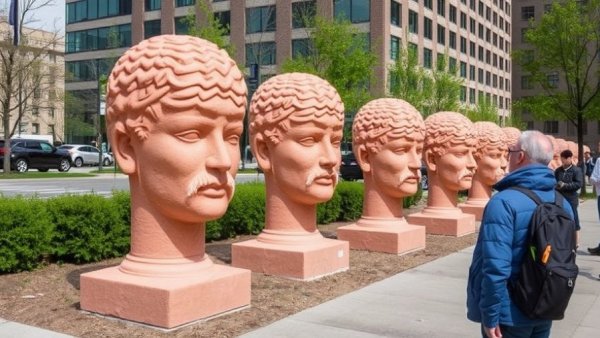
Uncovering History: The Terra-Cotta Discovery
In November 2025, two terra-cotta heads were unearthed by construction workers at the bustling intersection of Market and Illinois streets in Indianapolis. Measuring approximately 12 inches wide, 16 inches long, and weighing between 20 to 25 pounds, these pieces serve as a fascinating link to the city’s architectural past. Initially part of the entablature of the now-demolished Indianapolis Traction Terminal—an iconic structure designed by the Chicago-based D.H. Burnham & Co. in 1904—these relics have sparked renewed interest in Indianapolis's architectural history.
The Artistry Behind the Construction
Local historian Deedee Davis speculates that these terra-cotta artifacts were created by the Indianapolis Terra Cotta Company, known for its exquisite decorative tiles that can still be observed on buildings throughout the city, such as the Coca-Cola Plant. The craftsmanship displayed in the Byzantine Revival style of the heads indicates the high quality of work produced during that era, enhancing their value in both historical and artistic contexts.
Connections to Modern Indianapolis
This discovery not only revives interest in the architectural artistry of the past but also poses significant questions about the preservation of such historical pieces. As urban development continues to reshape the landscape of Indianapolis, it becomes crucial for the community to recognize and appreciate its rich heritage. Projects like these can foster a deeper sense of connection among residents to their city's history.
While the terra-cotta heads are currently housed in the City-County Archives Hall of Heroes, their potential revival may encourage further explorations into Indianapolis's architectural treasures, sparking conversations about preservation strategies for remaining historical sites.





Write A Comment